


Listen to the article
Recent U.S.-Israeli airstrikes on Iranian oil facilities have created an environmental hazard as toxic smoke released into the atmosphere returned to Earth as “black rain,” raising serious health concerns among local populations.
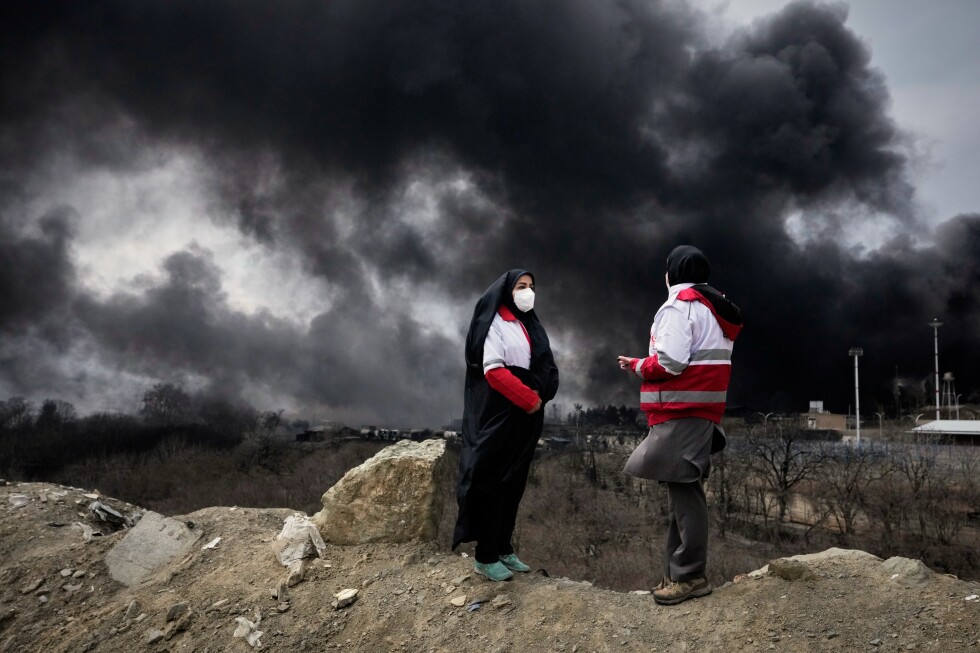
Residents in Tehran reported burning eyes and respiratory difficulties last week after dark, oily precipitation fell near the capital following attacks on several fuel oil depots and a refinery. The phenomenon has prompted international health officials to issue urgent warnings about potential health risks.
The airstrikes are part of escalating regional tensions, with Iran retaliating against U.S.-Israeli operations by launching drones and missiles at oil and natural gas facilities in neighboring Persian Gulf countries. The conflict has resulted in plumes of dark smoke visible across the region over the past two weeks.
Black rain occurs when soot, ash, and toxic chemicals mix with water droplets in the atmosphere before falling back to Earth during rainfall. Environmental experts explain that it commonly follows fires at oil refineries or oil fields, but can also result from wildfires, volcanic eruptions, and severe industrial pollution.
In Iran’s case, the precipitation formed when microscopic soot particles were created by incompletely burned hydrocarbons from fuel oil. Peter Adams, a civil and environmental engineering professor at Carnegie Mellon University, notes that burning oil also produces dangerous compounds called polycyclic aromatic hydrocarbons (PAHs) and toxic gases like sulfur dioxide and nitrogen oxides, which contribute to acid rain.
The health implications are significant. Microscopic soot particles, approximately 40 times smaller than the width of a human hair, can penetrate deep into the lungs and enter the bloodstream. This can trigger breathing difficulties and cardiovascular problems potentially leading to premature death. Additionally, PAH exposure increases cancer risk.
“We can definitely expect acute health effects from an event like this,” said V. Faye McNeill, a chemical engineering professor at Columbia University specializing in atmospheric chemistry. “Even regular air pollution events can trigger health problems and lead to more hospitalizations, especially among vulnerable populations like the elderly, children, and those with existing health conditions. But this is a higher level, so there likely are health problems occurring right now because of it.”
In response to the crisis, the World Health Organization and Iranian health and environmental officials have advised residents to remain indoors and wear masks. They emphasized that the rainfall is highly acidic and could cause skin burns and lung damage. Beyond immediate health concerns, many Iranians worry about potential contamination of drinking water reservoirs and waterways, as the rain also contains heavy metals.
The atmospheric duration of these chemicals depends on several factors. For most fuel tank fires, which typically burn out within hours, soot and chemicals generally disperse with wind and precipitation within three to seven days. However, as witnessed during the Gulf War in Kuwait 25 years ago, oil field fires can burn for months, creating prolonged environmental hazards.
“If we don’t create more problems, at least what’s in the atmosphere is going to go away,” Adams explained, while cautioning that long-term health risks may persist. “But we don’t know what’s going to happen with future strikes and whether other tanks will be struck or whether oil fields will be struck. I’m less concerned about longer-term or regional effects, but it’s a real mess for the people in the immediate vicinity.”
The environmental impact adds another layer of complexity to the ongoing conflict between Israel, the United States, and Iran. As military operations continue to target energy infrastructure, the collateral environmental and public health consequences highlight the broader humanitarian costs of the escalating tensions in the Middle East.
Fact Checker
Verify the accuracy of this article using The Disinformation Commission analysis and real-time sources.

15 Comments
This is a grave situation. Toxic black rain is an environmental catastrophe that can have severe consequences for public health and the local environment. I hope the authorities take decisive action to contain the damage and provide relief to affected communities.
Toxic black rain is an extremely hazardous environmental phenomenon. I’m concerned about the potential impacts on the health and wellbeing of local communities. Urgent action is needed to assess the scale of the contamination and provide support.
The use of military force and retaliatory strikes is exacerbating an already dire environmental crisis. Both sides need to focus on mitigating the toxic fallout and protecting civilian populations instead of escalating the conflict.
This is a concerning environmental disaster. Toxic black rain is extremely hazardous to public health and can have long-term consequences. I hope the authorities take urgent action to protect residents and mitigate the effects.
Agreed, this is a serious issue. Exposure to these pollutants can cause respiratory problems, skin irritation, and other serious health issues. Proper cleanup and relief efforts will be crucial.
The toxic black rain event is deeply concerning. It’s crucial that the authorities work swiftly to assess the scale of the contamination, protect public health, and mitigate the long-term environmental impacts. This is a serious crisis that requires an urgent, coordinated response.
This is a horrific situation. Toxic black rain is an environmental nightmare that can have severe long-term consequences for public health and the local ecosystem. I hope the authorities act swiftly to contain the damage and provide relief.
The escalating regional tensions and retaliatory strikes are only exacerbating this environmental crisis. Both sides need to de-escalate the conflict and prioritize the safety of local populations affected by the toxic fallout.
Absolutely. Civilian health and safety should be the top concern here, not political or military objectives. This is a humanitarian issue that requires an immediate, coordinated response.
Toxic black rain is an environmental disaster with potentially devastating consequences. I’m concerned about the health impacts on local communities and the long-term effects on the surrounding ecosystem. Urgent action is needed to address this crisis.
This is a distressing situation. Toxic black rain is an environmental catastrophe that can have devastating consequences. I hope the international community provides urgent assistance to the affected communities in Iran.
Agreed, this requires a coordinated international response. Providing aid, expertise, and resources to address the public health and environmental impacts will be crucial.
What long-term impacts can we expect from this toxic black rain event? Are there any precedents for dealing with this type of widespread environmental contamination following an attack on oil facilities?
Good questions. The long-term effects could be quite severe, potentially impacting soil, water, and public health for years. Proper remediation and monitoring will be essential to mitigate the damage.
This is a deeply troubling development. Toxic black rain is a serious environmental and public health threat that requires an immediate, coordinated response. I hope the authorities work swiftly to protect affected populations and mitigate the long-term damage.