


Listen to the article
Australia’s Largest Literary Festival Collapses After Writer’s Removal Sparks Mass Exodus
Organizers of Australia’s largest free literary festival canceled the event Tuesday after more than 180 writers and speakers withdrew in protest over the controversial removal of an Australian-Palestinian writer from the program.
The crisis at Adelaide Writers Week began when festival organizers announced on January 8 that they had disinvited Dr. Randa Abdel-Fattah, citing “cultural sensitivities” in the aftermath of December’s antisemitic mass shooting at Sydney’s Bondi Beach. The board stressed there was no suggestion that Abdel-Fattah or her writings had any connection to the tragedy, yet proceeded with her removal without specifying which of her previous statements prompted their decision.
Abdel-Fattah, a lawyer, academic, and author of both fiction and non-fiction, condemned the move as “censorship” and said the announcement implied her “mere presence” was culturally insensitive.
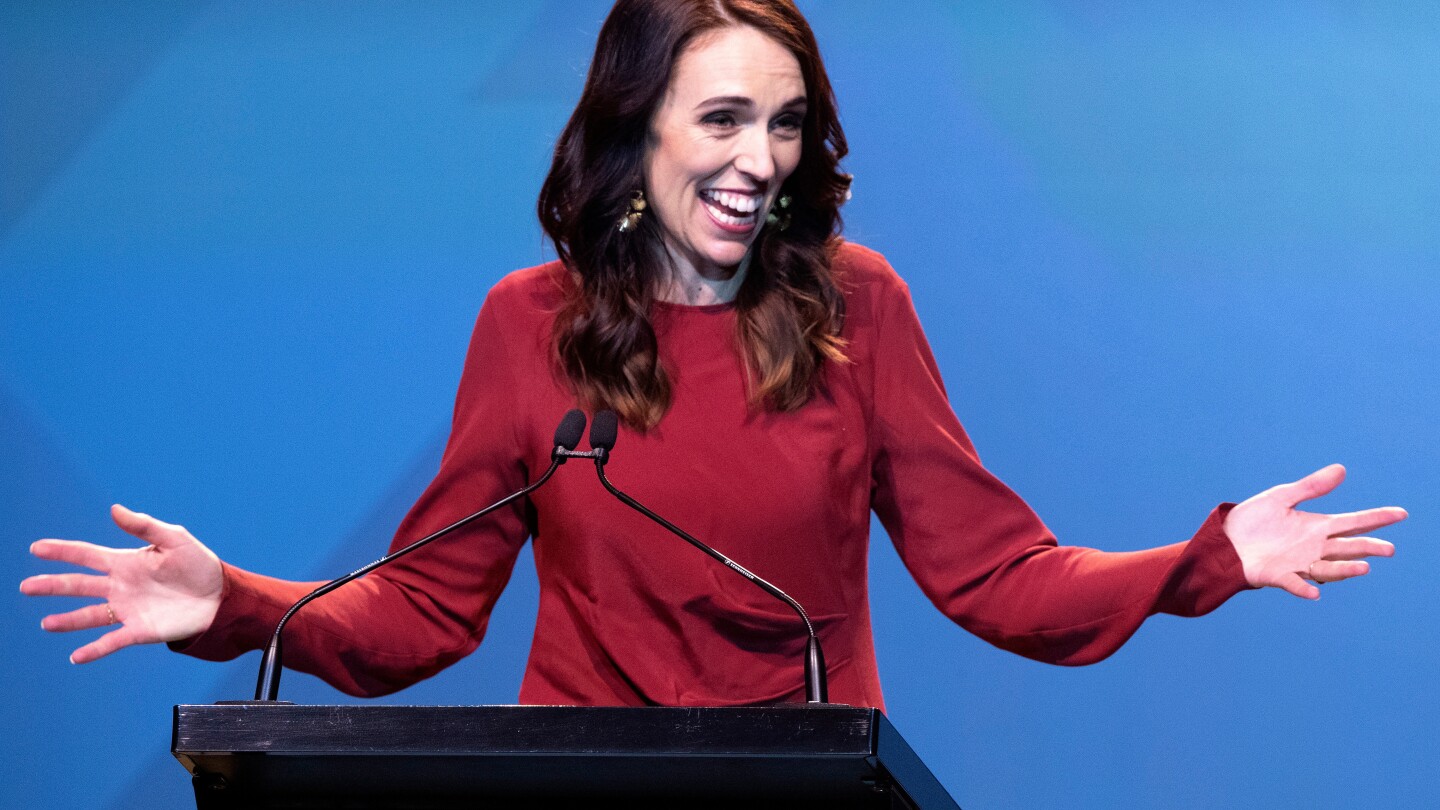
The controversy quickly escalated, with high-profile speakers withdrawing in solidarity. British novelist Zadie Smith and former New Zealand Prime Minister Jacinda Ardern were among those who pulled out of their scheduled appearances, dealing a significant blow to the event that attracted 160,000 attendees last year.
Festival director Louise Adler, who is Jewish, resigned Tuesday, writing in The Guardian that she could not “be party to silencing writers.” She noted that 70% of the event’s speakers had withdrawn by that point, making the festival untenable.
Hours after Adler’s resignation, organizers announced the complete cancellation of the event, which was scheduled to run for six days in late February as part of Adelaide’s annual cultural festival. The statement, posted on the festival’s Facebook page, also revealed that all remaining board members would resign. They offered an apology to Abdel-Fattah for “how the decision was represented,” but maintained their stance that the issue was about “the breadth of freedom of expression” following Australia’s worst terror attack in history.
Abdel-Fattah rejected the apology on social media, describing her removal as “a blatant act of anti-Palestinian racism” and noting that the board apologized only for how her removal was presented, not for the decision itself.
The exclusion followed lobbying efforts by the Jewish Community Council for South Australia, whose spokesperson Norman Schueler confirmed to The Adelaide Advertiser that the group had written to the festival seeking Abdel-Fattah’s removal. South Australia Premier Peter Malinauskas also supported the decision to disinvite her.
Abdel-Fattah, who was born in Australia to Palestinian and Egyptian parents, has established herself as a voice on issues of Islamophobia and had been invited to speak about her novel “Discipline,” which explores themes of censorship through the stories of two Muslims—a journalist and a university student—in Sydney. She has been an outspoken critic of the Israeli government and an advocate for Palestinians throughout the Gaza conflict.
The cancellation represents a significant economic blow to South Australia, as the festival typically generates millions in revenue and supports hundreds of jobs. Officials announced that a new board would be appointed Wednesday, though the fate of the wider Adelaide Festival remained unclear.
The controversy unfolds against the backdrop of Australia’s national reckoning with hate speech and security following the Bondi Beach attack in December, where a father and son allegedly inspired by Islamic State group ideology killed 15 people at a Hanukkah event. The surviving suspect, Naveed Akram, faces dozens of murder, terrorism, and other charges.
In response to the attack, New South Wales quickly passed legislation banning protest gatherings during periods following terrorism declarations and is considering further measures that would criminalize certain chants, including some used at pro-Palestinian rallies.
Prime Minister Anthony Albanese announced Tuesday that he would recall the federal parliament in January to vote on proposed measures tightening Australia’s gun controls and lowering thresholds for prosecuting hate speech. Albanese has also commissioned a royal commission—Australia’s highest form of public inquiry—into antisemitism and the Bondi attack specifically, with a national day of mourning scheduled for January 22.
Fact Checker
Verify the accuracy of this article using The Disinformation Commission analysis and real-time sources.

7 Comments
As someone who follows mining and energy news, I’m disappointed to see this prestigious literary festival collapse over the exclusion of a single writer. Canceling the entire event seems like an overreaction that will only further inflame tensions. I hope the organizers can find a way to address the concerns and reinstate the festival in the future.
This is an unfortunate situation that highlights the challenges of navigating sensitive political and cultural issues in the arts. While I understand the desire to avoid controversy, censoring writers is not the answer. Festivals should embrace diverse perspectives and create space for open and respectful dialogue.
This is a troubling development for the literary community. Withdrawing speakers en masse over the exclusion of a single writer sets a concerning precedent. Festivals should strive to create inclusive platforms for diverse perspectives, not cave to demands for censorship. I hope the organizers can find a better path forward.
As someone interested in mining and commodity news, I’m curious to learn more about the cultural sensitivities that led to this writer’s exclusion. What were the specific concerns, and could they have been addressed through open discussion rather than outright removal? Silencing voices rarely resolves complex issues.
That’s a good point. Exclusion often leads to further polarization. If the organizers had transparent discussions with all stakeholders, they may have found a way to include this writer while addressing any legitimate concerns. Canceling the entire festival seems an extreme measure.
This is a disappointing turn of events for Adelaide Writers Week. Canceling the festival entirely due to the exclusion of a Palestinian writer seems like an overreaction that will only further inflame tensions. There must be a way to find balance and include diverse perspectives without resorting to censorship or boycotts.
I agree, this is an unfortunate situation. Festivals should aim to foster open dialogue, not silence certain voices. Hopefully the organizers can find a constructive path forward that respects all participants.