


Listen to the article
Two Dead, One Injured After US Strike on Suspected Drug Boat Off Costa Rica
At least two people are dead and another seriously injured following a U.S. military strike on a vessel suspected of drug trafficking off Costa Rica’s Pacific coast, authorities confirmed Friday.
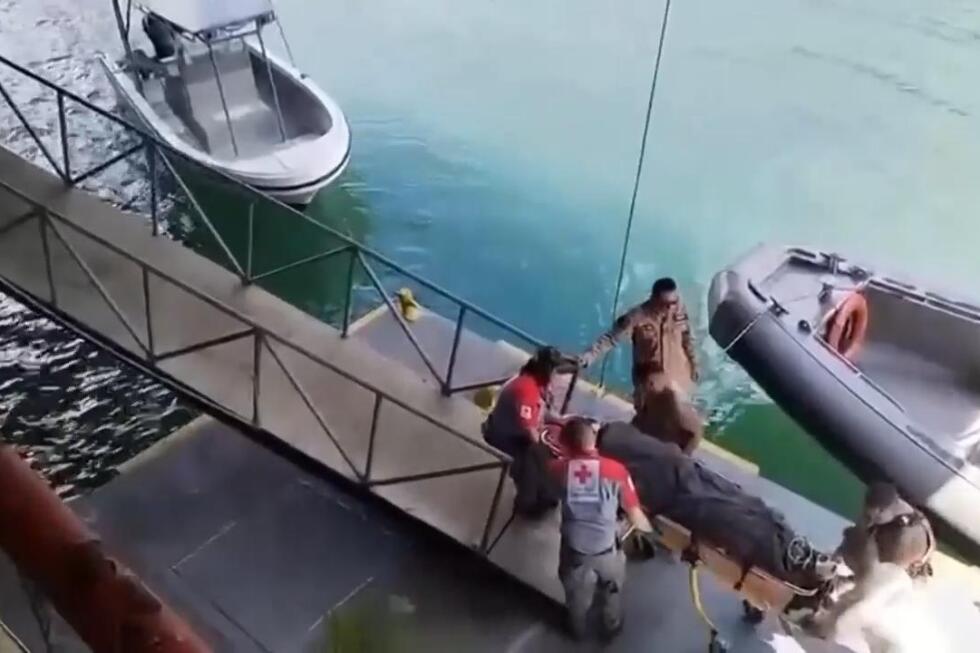
The incident occurred approximately 126 nautical miles from Golfito on Costa Rica’s southern Pacific coastline. Steven Umaña, regional operations coordinator for the Costa Rican Red Cross, reported receiving an alert about a shipwreck from the Coast Guard at 8:15 a.m. Friday.
“Upon arrival, one person was found with severe burns and significant chest trauma and was transported in critical condition to the Golfito Hospital. In addition, two people were found with no vital signs,” Umaña said.
U.S. Southern Command (SOUTHCOM) acknowledged the operation on its X social media account, describing it as a “lethal kinetic strike” against a vessel they claim was operated by a criminal organization designated by the United States as a foreign terrorist group. SOUTHCOM released video footage showing the boat exploding during the strike.
“Intelligence confirmed that the low-profile vessel was transiting known drug trafficking routes in the eastern Pacific and was involved in drug trafficking operations,” SOUTHCOM stated in its post.
The Costa Rican Judicial Investigation Agency confirmed receiving the bodies, which were transferred from a U.S. Navy force to Costa Rica’s Coast Guard Service at sea before being delivered to judicial authorities once in port. Authorities have not yet disclosed how many people were aboard the vessel at the time of the strike.
This operation marks the latest in a series of similar U.S. military actions targeting suspected drug trafficking vessels in both the Pacific Ocean and Caribbean Sea. Such operations have grown increasingly controversial throughout Latin America and the Caribbean, with regional governments voicing sharp criticism of what they perceive as aggressive U.S. tactics.
The escalation comes amid a broader hardening of U.S. policy toward Latin America, which has included operations such as the attempted capture of Venezuela’s President Nicolás Maduro. Critics argue these actions represent a concerning return to interventionist policies that undermine regional sovereignty.
Maritime drug interdiction has been a longstanding component of U.S. counter-narcotics strategy in the region. The eastern Pacific corridor off Central America’s coast serves as a primary trafficking route for cocaine and other illicit substances moving from South American production centers toward North American markets.
Low-profile vessels, often referred to as “semi-submersibles” or “narco-submarines,” have become increasingly sophisticated tools employed by drug trafficking organizations. These boats are typically designed to evade radar detection by riding low in the water and are capable of transporting multi-ton cocaine shipments.
The Costa Rican government has maintained close security cooperation with the United States on counter-narcotics operations, though incidents resulting in fatalities raise complex questions about jurisdiction, use of force, and legal responsibility in international waters.
Human rights organizations have previously raised concerns about the militarization of anti-drug efforts and the potential for civilian casualties during such operations. The legal framework governing lethal force against suspected drug traffickers at sea remains contentious under international maritime law.
Neither Costa Rican nor U.S. authorities have provided additional details about the specific terrorist designation of the group allegedly operating the vessel, nor have they released the identities of those killed and injured in the strike.
The incident highlights the ongoing challenges in addressing transnational drug trafficking while respecting human rights and international legal frameworks governing the use of military force in law enforcement operations.
Fact Checker
Verify the accuracy of this article using The Disinformation Commission analysis and real-time sources.

8 Comments
This is a tragic incident. While the U.S. military has the right to interdict suspected drug trafficking, the loss of life raises serious concerns. I hope the investigation provides more clarity on the circumstances and decision-making process.
While I understand the need to interdict suspected drug trafficking, the loss of life here is deeply concerning. I hope the full facts can be brought to light, and that lessons are learned to improve the safety and proportionality of such operations going forward.
This is a tragic outcome, even if the intent was to disrupt drug trafficking. I hope the investigation provides clarity on the specific events and decision-making, with a view to enhancing interdiction operations that prioritize the sanctity of human life.
Interdiction of suspected drug traffickers is a necessary but ethically fraught endeavor. The loss of life here is deeply regrettable. I hope the investigation provides a clear understanding of the events and informs more effective and humane approaches in the future.
Drug trafficking is a major global scourge, but the human toll from this incident is devastating. I hope the circumstances can be fully investigated to ensure proper protocols and rules of engagement are in place to minimize such tragic outcomes.
Drug trafficking is a complex global issue, and interdiction efforts often involve difficult judgment calls. However, the human cost here is very concerning. I hope lessons can be learned to minimize such tragic outcomes in the future.
I agree, the human cost is devastating. Interdiction operations require immense care and proportionality to avoid such tragic consequences.
This incident highlights the challenging realities of combating transnational organized crime. While the U.S. has a responsibility to disrupt illicit drug flows, the deaths raise troubling questions about the tactics and protocols employed. Transparency and accountability will be crucial going forward.