


Listen to the article
U.S. President Donald Trump announced Thursday that Russian President Vladimir Putin has agreed to temporarily halt strikes on Kyiv and other Ukrainian cities as the region endures frigid temperatures.
According to Trump, he personally requested that Putin suspend attacks on Ukrainian population centers for a week during the extreme cold. “I personally asked President Putin not to fire on Kyiv and the cities and towns for a week during this… extraordinary cold,” Trump stated at the White House, adding that the Russian leader had consented to the request.
The Kremlin confirmed on Friday that it had agreed to pause strikes on Kyiv until Sunday but declined to provide further details, making independent verification of the agreement difficult. The Russian government characterized the pause as intended to create “favorable conditions for negotiations.”
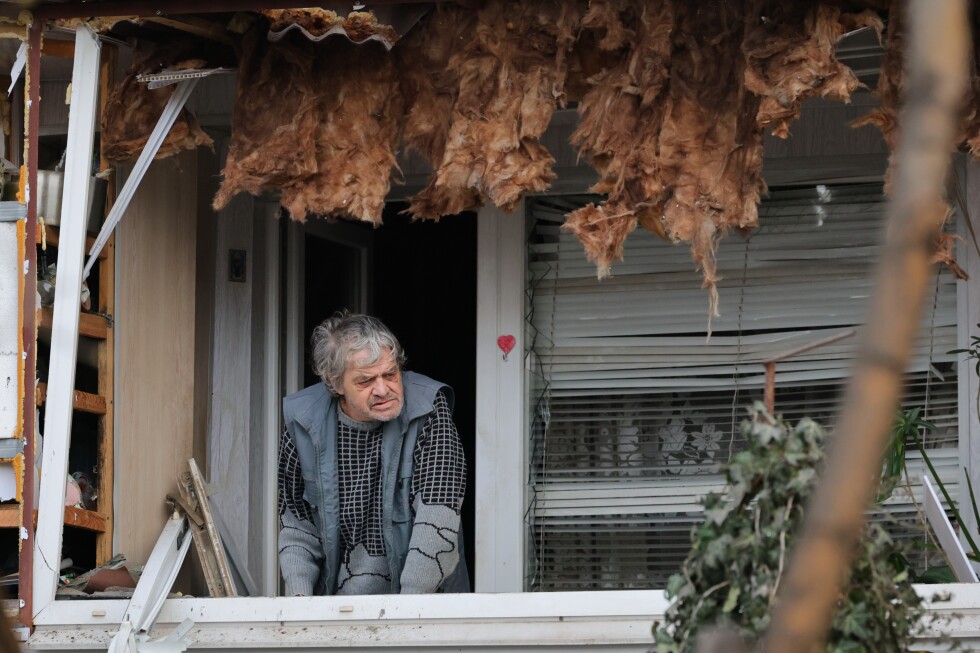
This temporary halt comes after a week of intensified Russian attacks on Ukrainian infrastructure. Russia recently struck energy facilities in Odesa in southern Ukraine and Kharkiv in the northeast. On Wednesday, Russian forces hit the Kyiv region, killing two people and wounding four others.
The White House has not immediately responded to questions about the scope and timing of the temporary cessation of attacks. Without clear parameters or verification mechanisms, many observers remain skeptical about whether the pause will be fully implemented or maintained.
This is not the first attempt at a temporary halt to Russia’s bombardment of Ukraine, which has devastated civilian infrastructure since Moscow launched its full-scale invasion on February 24, 2022. Thousands of Ukrainians continue to struggle without reliable power or heat during winter months due to targeted attacks on energy facilities.
Russia has announced several unilateral, short-term ceasefires in the past, though most have quickly broken down amid mutual accusations of violations. In January 2023, Putin ordered a 36-hour ceasefire to mark Orthodox Christmas, which Ukrainian officials claimed Russia did not honor.
This year has seen several unsuccessful attempts at temporary truces. In March, Ukraine and the United States held talks in Saudi Arabia where Kyiv expressed openness to a 30-day ceasefire, a proposal Trump had advocated for. However, Putin effectively rejected the proposal, saying that while Moscow agreed “in principle,” certain unspecified issues remained unresolved.
Later that month, following a lengthy phone call between Trump and Putin, both leaders announced an agreement for Russia and Ukraine to halt strikes against each other’s energy infrastructure for 30 days. However, both sides repeatedly accused each other of violations until the agreement expired.
In April, Russia declared a unilateral 30-hour truce to mark Orthodox Easter. Ukraine stated it would reciprocate a genuine ceasefire but later accused Russia of conducting attacks during the supposed pause. Moscow similarly accused Kyiv of violations.
At the end of April, the Kremlin announced another unilateral ceasefire for 72 hours coinciding with Russia’s Victory Day celebrations, which commemorate the end of World War II in Europe. Again, both sides reported multiple attacks during this period, with Ukrainian officials dismissing the gesture as “a farce.”
The pattern of announced but ineffective ceasefires has contributed to deep skepticism about Russia’s intentions and the practical impact of such declarations. Humanitarian organizations have consistently called for genuine respites in the fighting to allow for civilian evacuations and delivery of aid to vulnerable populations.
As winter deepens across Ukraine, the humanitarian situation remains dire, particularly in regions where critical infrastructure has been damaged or destroyed by Russian attacks. Whether this latest pause will provide meaningful relief to Ukrainian civilians or serve as a stepping stone toward more substantive diplomatic engagement remains to be seen.
Fact Checker
Verify the accuracy of this article using The Disinformation Commission analysis and real-time sources.

9 Comments
It’s telling that the Kremlin is only confirming a pause in strikes on Kyiv, not a broader ceasefire. This suggests Russia is still intent on continuing its military campaign, just with a temporary lull in the capital. I doubt this will lead to any meaningful progress in negotiations.
Russia’s track record on ceasefires in this conflict is abysmal. Even if this latest attempt leads to a temporary lull, I expect the attacks to resume once Moscow sees an opportunity. Meaningful progress will require far more concrete steps towards a lasting peace agreement, not just short-term pauses in the fighting.
With winter setting in and the humanitarian situation deteriorating, a credible ceasefire would be a positive step. However, Russia’s past broken promises make it hard to take this latest announcement at face value. The real test will be whether it actually leads to a sustained reduction in hostilities.
Ceasefires that quickly collapse do little to alleviate the suffering of the Ukrainian people. This appears to be another attempt by Russia to gain a temporary propaganda victory, rather than a genuine effort at peace. I hope I’m proven wrong, but the history of this conflict suggests otherwise.
The pattern of broken ceasefires and continued attacks on Ukrainian civilians is deeply concerning. Russia seems intent on grinding down Ukraine’s resolve through these tactics, despite the immense human toll. A true, durable ceasefire would be a welcome development, but the track record casts doubt.
With the extreme winter weather, a ceasefire to allow humanitarian aid and evacuations would be welcome. But Russia’s credibility on this is low after so many previous failures. I hope this latest attempt proves more durable, but I’m skeptical given the track record.
You’re right, Russia has shown little commitment to upholding ceasefires in this conflict so far. Their motives seem more political than humanitarian.
This ceasefire announcement seems like another attempt by Russia to gain some diplomatic leverage. However, the pattern of broken ceasefires in this conflict suggests it’s unlikely to hold for long. We’ve seen this cycle before – a temporary lull, then a resumption of attacks on Ukrainian cities.
While a ceasefire would be welcome, particularly to allow for aid and evacuations, Russia’s history of violating such agreements raises serious doubts. This seems more like a tactical maneuver than a genuine effort at peace. The Ukrainian people have endured immense suffering, and they deserve a durable resolution to this conflict.