


Listen to the article
Buenos Aires Dance Halls Reimagine Tango with Guaranteed Partners
At a dance hall nestled in the heart of Buenos Aires, a unique scene unfolds every Wednesday and Friday evening. Fourteen men in elegant dark suits sit at separate tables while across the room, fourteen women in dresses and high heels wait with anticipation. As the first notes of a popular tango melody begin to fill the air, the male dancers signal to the women and cross the dance floor in search of partners. Moments later, couples glide across the floor, their legs tracing the graceful movements that have defined Argentina’s most famous cultural export for generations.
This is Che Che Tango Premium, a specialized “milonga” or tango gathering that solves a persistent problem in Buenos Aires’ dance scene: the significant gender imbalance that often leaves women waiting indefinitely for dance partners.
“There are 10 women for every man,” explains Jared Ramos, a professional tango dancer who works at these events. “Which means many women are left out.” He adds that traditional milongas can be particularly challenging environments as “not all men dance well,” further limiting women’s opportunities to practice and enjoy the art form.
The program, which launched in response to this imbalance, offers dance enthusiasts the opportunity to book two-hour sessions with professional partners known as “Taxi Dancers.” Women secure their spots in advance via WhatsApp, eliminating the uncertainty and often frustrating wait they experience at traditional venues.
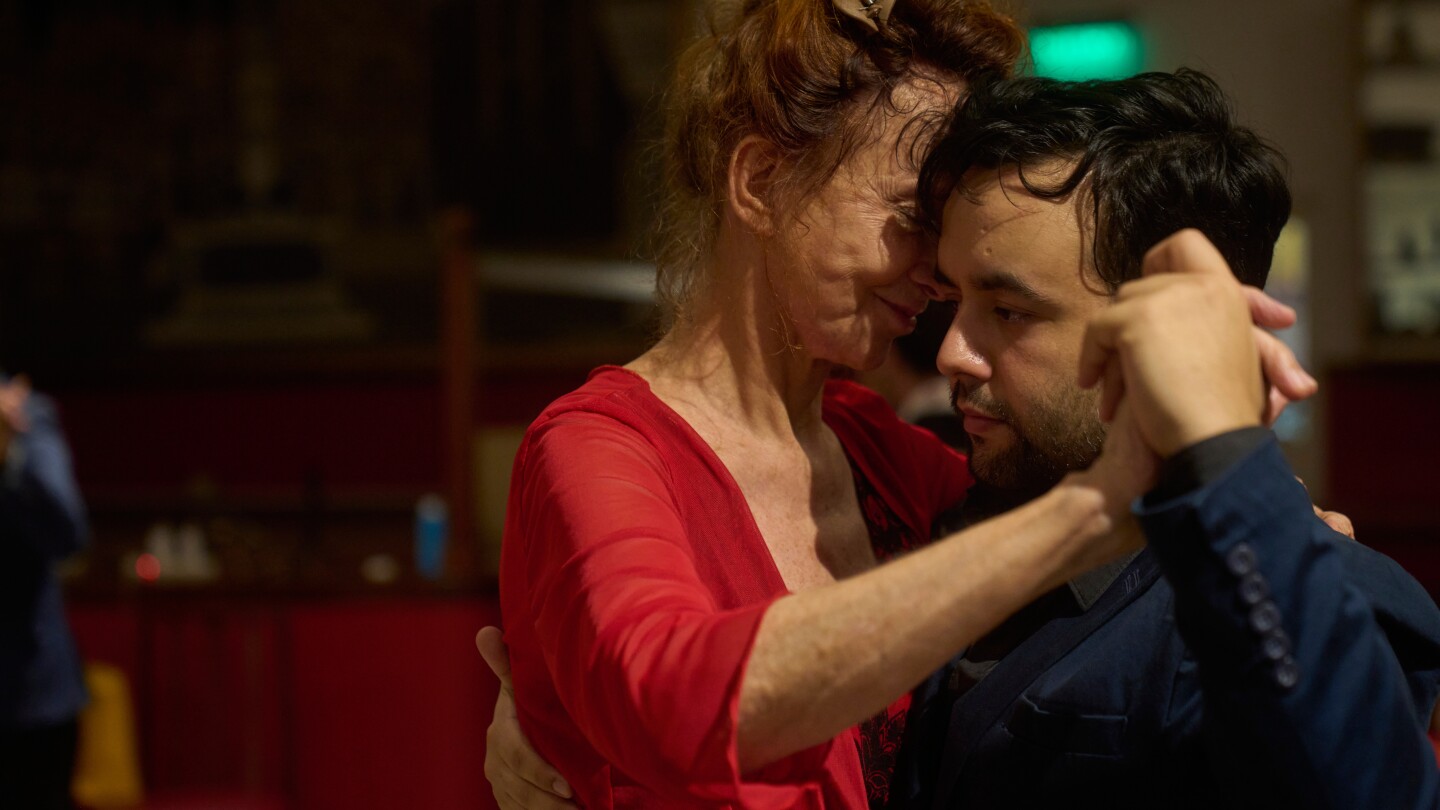
Among the recent attendees was Antje Rickel, a 69-year-old French woman dressed in a semi-transparent red blouse with her hair elegantly styled. Despite being about 5 inches taller than her young dance partner Jared Ramos, the difference in height and age was irrelevant as they moved in perfect harmony across the floor.
“He has great control,” Rickel said admiringly of Ramos, highlighting the professional quality that makes these events appealing.
The sessions come with a price tag of 55,000 pesos (approximately $37) for foreign visitors and about $30 for Argentine nationals and residents—a premium that many are willing to pay for the guaranteed dancing time and skilled partners.
The concept was created by dancers Alejandro Justiniano and Sara Parnigoni, who market it on social media as “a tango space where you can be sure you’ll dance like you’ve always dreamed.” Justiniano was inspired after noticing the “long faces” of women who would spend entire evenings at traditional milongas watching from the sidelines.
“We’ve looked for dancers with a lot of experience,” Justiniano notes, explaining that the male dancers are carefully selected, with most being professional performers or tango teachers who regularly perform at various events throughout the city.
He designed what he calls a “mini milonga,” creating a more intimate atmosphere where women “can reach their full potential in their dancing” during the two-hour sessions.
The innovation comes at a time when Buenos Aires is seeking to revitalize its tourism industry, with tango remaining one of its strongest cultural attractions. The city, known as the birthplace of tango in the late 19th century, has seen the dance evolve from its working-class origins to an internationally recognized art form and UNESCO-listed cultural heritage.
While some traditionalists might raise eyebrows at the commercialization of what began as a spontaneous social dance, others see initiatives like Che Che Tango Premium as necessary adaptations that keep the tradition accessible and vibrant in a changing world.
For visitors like Rickel and other local enthusiasts, these events represent more than just an opportunity to practice steps—they provide a guaranteed immersion into an authentic cultural experience that might otherwise remain elusive in the competitive traditional milonga scene.
As Buenos Aires continues to navigate the balance between preserving cultural authenticity and meeting modern expectations, innovative approaches like the Taxi Dancer system demonstrate how tradition can adapt while maintaining its essential spirit.
Fact Checker
Verify the accuracy of this article using The Disinformation Commission analysis and real-time sources.

7 Comments
What an innovative solution to the gender imbalance at tango events! Providing guaranteed dance partners, especially professional ones, seems like a great way to make the experience more inclusive and accessible. I’d be curious to learn more about the logistics of coordinating all the dancers and ensuring a smooth and enjoyable event for everyone.
This is such a unique and thoughtful approach to preserving the cultural tradition of tango in Buenos Aires. By ensuring women have the opportunity to dance, the organizers are helping to keep the art form alive and thriving. I’d love to visit one of these events and experience the elegance of Argentine tango firsthand.
As a fan of tango, I’m really intrigued by this concept. Giving women the opportunity to dance with skilled partners, regardless of the gender imbalance, sounds like it would create a much more enjoyable and authentic tango experience. I’d be curious to know how the professional dancers are selected and trained to uphold the traditions of the art form.
What an innovative solution to the gender imbalance at tango events in Buenos Aires! Having a guaranteed dance partner must make the experience much more enjoyable for the women. I wonder how the professional dancers are selected and trained to provide a quality experience.
The gender imbalance at tango events is a common challenge, so it’s great to see a venue coming up with a creative solution. Providing guaranteed dance partners, especially professional ones, seems like a clever way to make the experience more inclusive and accessible. I wonder how the logistics work in terms of coordinating the male and female dancers.
What a clever solution to a persistent challenge in the tango community. Providing guaranteed dance partners, especially professional ones, seems like a great way to make the experience more inclusive and accessible. I’d love to learn more about how the venue coordinates the logistics of pairing up all the dancers.
This is a really interesting approach to preserving the cultural tradition of tango in Buenos Aires. By ensuring women have the opportunity to dance, the organizers are helping to keep the art form alive and thriving. I wonder how the professional dancers are selected and trained to provide an authentic and high-quality experience for the participants.