


Listen to the article
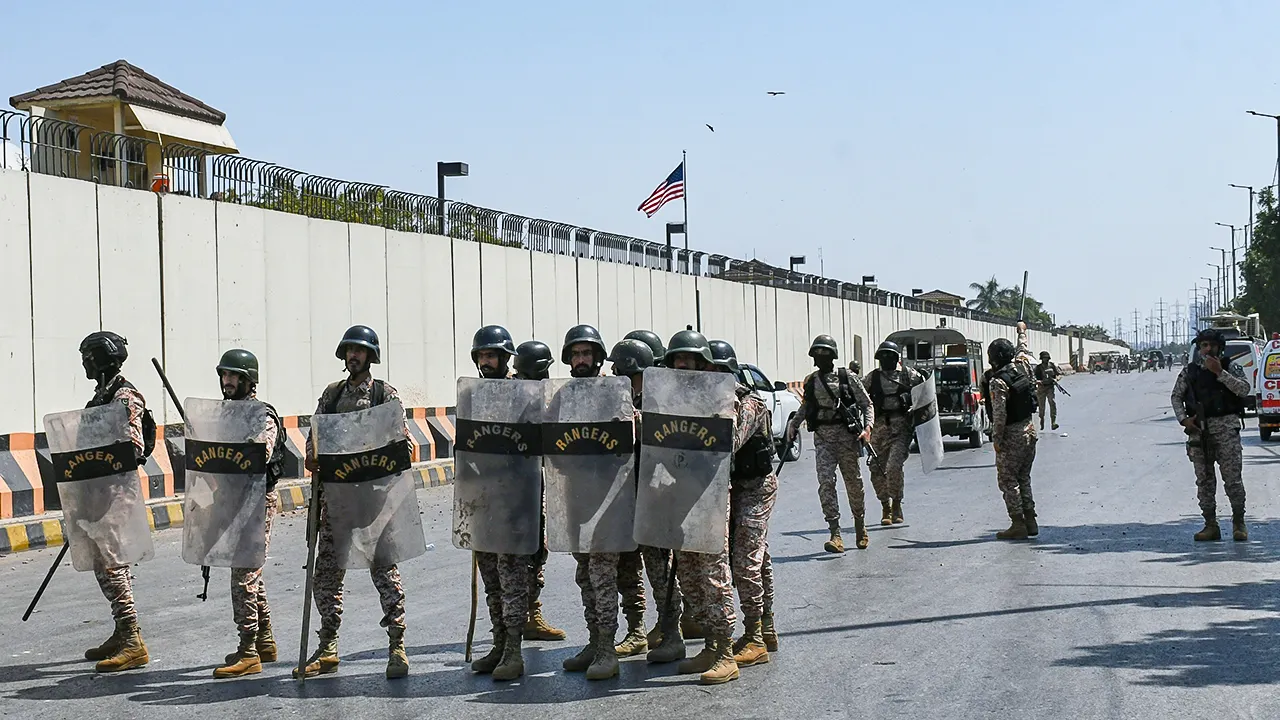
At least nine people are dead and more than two dozen injured after violent clashes erupted outside the U.S. Consulate in Karachi, Pakistan. Hundreds of protesters stormed the diplomatic compound in what officials describe as a significant escalation of anti-American demonstrations.
The unrest followed reports that Iran’s Supreme Leader, Ayatollah Ali Khamenei, was allegedly killed in a joint U.S.-Israeli strike, triggering outrage among Shiite Muslims across Pakistan, a country with a significant Shiite minority population.
Witnesses told The Associated Press that many protesters were Shiite Muslims expressing anger over Khamenei’s reported death and alleged U.S. involvement. Demonstrators chanted anti-American and anti-Israel slogans while attempting to breach the consulate’s security perimeter.
Pakistani authorities deployed police and paramilitary forces as the situation intensified outside the compound. According to local officials, between 25 and 30 people sustained injuries during the confrontations, which involved protesters attempting to force their way into the diplomatic facility.
“The situation quickly deteriorated as protesters overwhelmed initial security barriers,” said a security analyst familiar with the region. “Pakistani security forces were eventually forced to respond with greater force to protect the consulate grounds.”
In response to the escalating situation, Pakistan tightened security around other U.S. diplomatic missions in Lahore, Islamabad, and Peshawar amid concerns the unrest could spread to other major cities. Pakistan has historically experienced anti-Western protests, particularly during periods of heightened tensions in the Middle East.
The U.S. Embassy in Pakistan issued a security alert urging American citizens to take precautions. “We are monitoring reports of ongoing demonstrations at the U.S. Consulates General in Karachi and Lahore, as well as calls for additional demonstrations at U.S. Embassy Islamabad and Consulate General Peshawar,” the embassy stated on social media platform X. The statement advised U.S. citizens to “monitor local news and observe good personal security practices, including being aware of your surroundings, avoiding large crowds, and ensuring your STEP registration is up to date.”
The violence in Karachi comes amid dramatically escalating tensions between Iran and the United States. U.S. and Israeli forces have been conducting coordinated strikes targeting Iranian military infrastructure, air defenses, and command centers. The Pentagon has named the operation “Epic Fury,” while the Israel Defense Forces refer to their portion as “Operation Lion’s Roar.”
U.S. officials have stated the strikes aim to degrade Tehran’s military capabilities and neutralize what they describe as imminent threats to the United States and its allies in the region. The operations represent a significant intensification of military action against Iran.
Pakistan’s relationship with both the United States and Iran creates a complex diplomatic situation. While Pakistan has been a U.S. strategic partner in the region, it also maintains important ties with neighboring Iran, particularly in border security and energy cooperation.
The demonstrations in Karachi highlight the broader regional impact of U.S.-Iranian tensions. Pakistan, with its mix of Sunni and Shiite populations, has occasionally seen sectarian tensions emerge during periods of regional conflict.
Security experts note that the Pakistani government now faces the difficult task of maintaining diplomatic relations with the United States while addressing domestic concerns and preventing further violence. The country’s security forces will likely maintain heightened alert status around Western diplomatic facilities in the coming days.
As the situation continues to develop, international observers are watching closely for signs of further escalation, both in Pakistan and across the broader region where anti-American sentiment has historically surged during periods of U.S. military action in the Middle East.
Fact Checker
Verify the accuracy of this article using The Disinformation Commission analysis and real-time sources.

10 Comments
This is a tragic escalation of tensions. My heart goes out to the families of those killed. Diplomatic facilities must be protected, but the roots of this unrest need to be carefully examined. Inflammatory rhetoric and violence only breed more conflict.
Agreed. Cooler heads must prevail to prevent further loss of life. Open dialogue and conflict resolution are the best paths forward.
Protests over geopolitical events often spiral out of control. I hope Pakistani authorities can restore order while also addressing the underlying grievances. Disinformation and misinformation tend to fuel these types of incidents.
You make a fair point. Verifying facts and acting with restraint is crucial when emotions are high. Maintaining diplomatic channels is essential to defusing such volatile situations.
This incident highlights the fragility of regional stability. Clashes at consular facilities are always concerning, as they risk escalating geopolitical tensions. Calm and prudent leadership will be critical to preventing further violence.
Well said. Maintaining open communication channels and finding diplomatic solutions should be the priority, rather than resorting to confrontation.
This is a deeply concerning incident. My condolences go out to the victims and their families. I hope the relevant authorities can swiftly investigate the circumstances and take steps to prevent similar occurrences in the future.
Agreed. Transparency and accountability will be crucial in addressing the root causes and ensuring the safety of diplomatic personnel going forward.
Tragic events like this underscore the need for improved security measures and conflict resolution mechanisms. Protecting diplomats while also respecting the right to protest is a delicate balance that requires nuance and restraint on all sides.
The loss of life is deeply regrettable. Securing diplomatic missions is a complex challenge, especially amid heightened tensions. I hope all parties can exercise caution and work to de-escalate the situation through peaceful means.