


Listen to the article
College students across Minnesota are learning to navigate a digital minefield through specialized courses aimed at combating misinformation and disinformation in their daily lives.
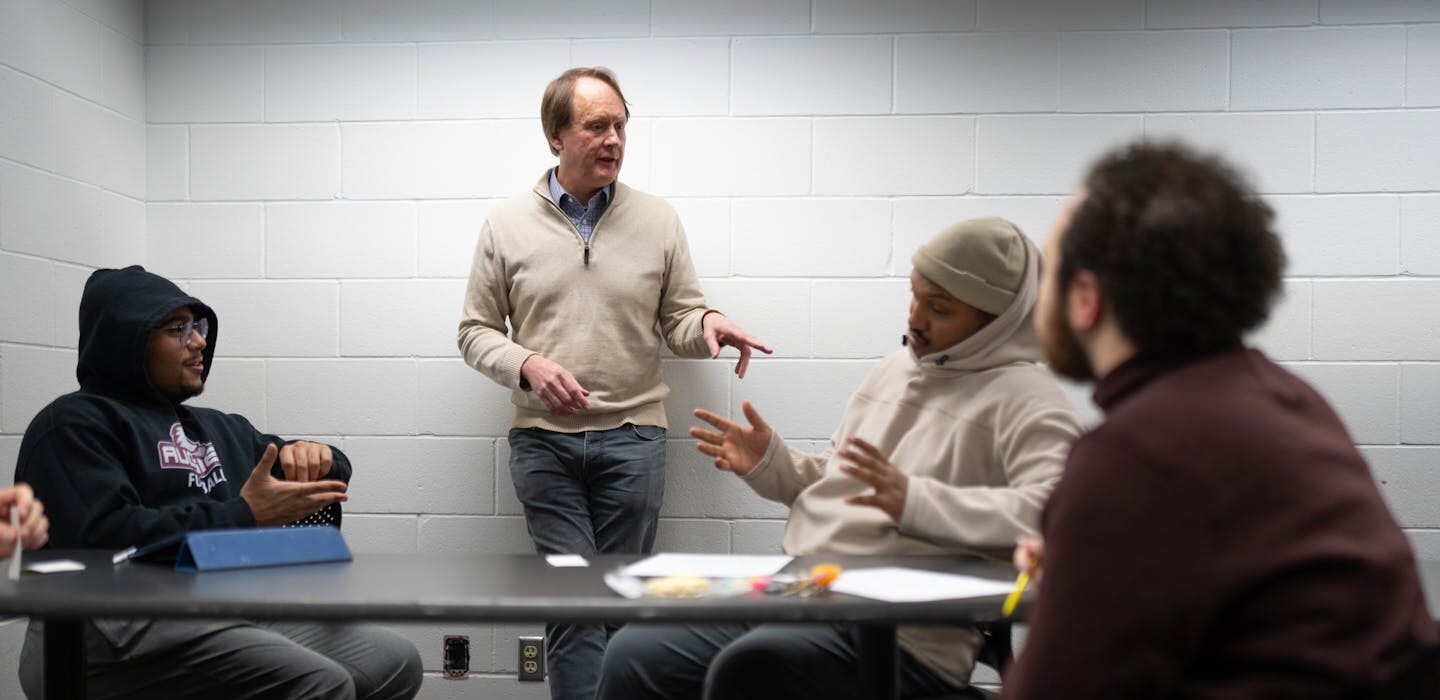
At Augsburg University, students in a class called “Defense Against the Dark Arts” analyze photos and videos, trying to determine whether they’re authentic or AI-generated. Junior Quincy Shepherd observed that one particular image looked “almost like a smudged painting,” though it turned out to be real. The students showed greater skill at identifying fake content, noticing telltale signs like people staring into space or unnatural movements.
These courses represent a growing trend across Minnesota campuses. The University of Minnesota offers “Calling Bullshit: How to Live in a Factual World,” while Carleton College students can enroll in “Bullshit: How to Spot it and Protect Yourself.”
“Nowadays we are just inundated, particularly with social media, with just facts, or things that might be facts, flying at us from all directions,” explained Rob Warren, a University of Minnesota sociology professor teaching a course on spotting disinformation. “People are having a harder and harder time making sense of what’s coming at them.”
Professors cite the rapid advancement of artificial intelligence and polarized political rhetoric as key factors driving interest in these courses. Many instructors have modeled their classes after a successful University of Washington program, adapting it to address contemporary challenges.
Warren deliberately chose a provocative title to signal that the class won’t be “stuffy and abstract,” focusing instead on practical applications. “I want to focus on things that actually matter in their lives,” he said. “Do I believe that news story, or do I believe my friend when they said, ‘You should take this herbal supplement?'”
Andrew Knoll, visiting philosophy professor at Carleton College, became interested in the subject following the 2016 presidential election, noting how certain political movements employed “performative, blatant public lying” not necessarily to deceive but to create a “firehose” of content that makes distinguishing truth from falsehood increasingly difficult.
The interdisciplinary nature of these courses draws from sociology, philosophy, communication arts, and psychology. Erik Asp, a psychology professor at Hamline University, has taught “Belief in the Brain” since 2016, examining the neural structures involved in belief and doubt.
“I was always shocked that people could believe such odd, strange things that didn’t seem to correspond to the real world,” Asp said, explaining that human brains are wired to see information as true. His research shows that seniors and people with certain types of brain damage experience decreased ability to doubt while their capacity to believe remains intact.
At Augsburg, Professor Bob Groven focuses on “the ways in which people can be lied to, manipulated or hurt by using the tools of persuasion.” Students analyze political advertisements and social media content to determine ethical boundaries, culminating in projects that identify problems and propose solutions.
For the upcoming semester, Warren has updated his curriculum to include strategies for discussing false beliefs with others who hold them. “The goal is learning how to counter false information so people will listen,” he said, emphasizing that simply telling people they’re wrong often causes them to shut down.
Students consistently praise the real-world applicability of these courses. Amanda Kauls, an Augsburg senior, appreciates how Groven’s class has changed her perspective on online material, especially regarding AI-related scams she hadn’t previously considered.
At Winona State University, students in “Trust and Emotion and the Age of Misinformation” created practical website content for Minnesota Attorney General Keith Ellison’s office. Instead of debunking specific falsehoods, they focused on “pre-bunking”—explaining common manipulation strategies before people encounter them.
“Especially because going into this project… I had very little or no information about news literacy myself,” said student Kenneth Goroztieta, who found it motivating to work on a project with direct benefits for Minnesotans.
Recent Hamline graduate Ezri Farnum noted that her coursework fostered greater empathy toward those who believe misinformation. “There’s this underlying neurological susceptibility that is taken advantage of here that we can be more compassionate about,” she reflected, acknowledging that everyone struggles with information overload in the digital age.
As technology continues to advance and information ecosystems grow increasingly complex, these courses provide students with essential critical thinking skills that extend far beyond the classroom.
Fact Checker
Verify the accuracy of this article using The Disinformation Commission analysis and real-time sources.

20 Comments
Kudos to these universities for introducing media literacy courses to combat digital misinformation. In an era of information overload, equipping students with the ability to spot fake content is a vital life skill.
Absolutely. Analyzing visual cues and identifying telltale signs of manipulated or AI-generated content is a crucial skill for navigating the modern digital landscape. These courses sound like a worthwhile investment in the future.
Impressive to see universities taking the initiative to combat misinformation through specialized media literacy courses. Equipping students with the tools to navigate the digital landscape is a crucial investment in the future.
Definitely. In an age of information overload, these courses sound like a valuable way to help students develop the skills to critically evaluate online content and identify potential manipulation or falsehoods.
These media literacy courses are a smart and timely response to the growing challenge of digital misinformation. Helping students develop the ability to analyze visual cues and spot potential falsehoods is a crucial skill for the modern age.
I agree, this is an important step in fostering digital citizenship and empowering the next generation to be more discerning consumers of online information. Kudos to the universities for taking this proactive approach.
Combating digital misinformation is such a crucial issue, and I’m encouraged to see universities taking concrete steps to address it through media literacy courses. Equipping students with the ability to critically evaluate online content is a wise investment.
Absolutely. In an era of information overload, these courses sound like a valuable way to help students develop the necessary skills to navigate the digital landscape effectively and responsibly. A much-needed initiative.
These media literacy courses sound like a smart initiative. With the proliferation of fake news and manipulated content, it’s important for students to develop the ability to discern fact from fiction online.
Agreed. Analyzing visual cues to spot AI-generated or altered content is an important skill. Kudos to these universities for taking proactive steps to equip the next generation with the tools to navigate the digital world.
Combating digital misinformation is such a vital issue. I’m glad to see universities taking proactive steps to address it through specialized courses. Equipping students with media literacy skills is crucial for the future.
Absolutely. In an era of information overload, teaching students how to critically evaluate online content is a crucial life skill. These courses sound like a great way to foster digital citizenship.
These media literacy courses seem like a smart and proactive approach to addressing the growing problem of digital misinformation. Helping students develop critical thinking skills to evaluate online content is so important.
I agree. Fostering digital citizenship and the ability to discern fact from fiction is essential for empowering the next generation. These universities are setting a great example that others should follow.
These media literacy courses are a smart and timely response to the growing challenge of digital misinformation. Developing students’ ability to analyze visual cues and spot fake content is an invaluable skill for navigating today’s online world.
I agree, these initiatives are an important step in fostering digital citizenship and empowering the next generation to be more discerning consumers of online information. Kudos to the universities for taking this proactive approach.
Interesting approach to combat misinformation. Teaching critical thinking skills and media literacy is crucial in today’s digital landscape. Analyzing visual cues to spot fake content is a valuable skill for students to develop.
I agree, these courses seem like a great way to empower students to navigate the online world more effectively. Giving them the tools to identify misinformation is an important step.
Fascinating approach to tackling the challenge of digital misinformation. Teaching students to critically analyze online content and identify potential red flags is a wise investment in their future.
I’m encouraged to see universities recognize the urgency of this issue and take concrete steps to address it. Fostering media literacy is essential for empowering young people to be discerning and responsible digital citizens.