


Listen to the article
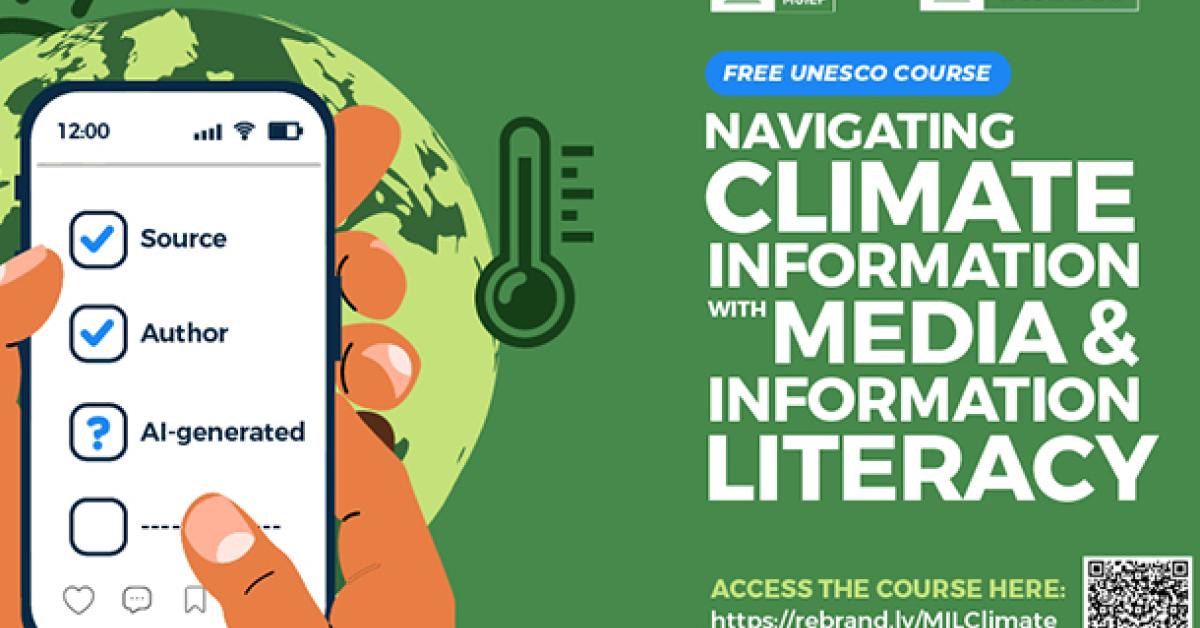
In a significant move to combat climate misinformation, UNESCO has launched a new online course that equips the public with tools to critically evaluate climate change information. The course, “Navigating Climate Information with Media and Information Literacy,” forms part of UNESCO’s broader Global Roadmap initiative that positions information as a public good in addressing environmental challenges.
The self-paced educational program arrives at a critical juncture when climate misinformation continues to impede meaningful action on environmental issues. According to recent studies, false or misleading claims about climate change have proliferated across social media platforms, sometimes reaching millions more viewers than scientifically accurate content.
Developed through collaboration with climate scientists, advocacy groups, fact-checking organizations, and communication specialists, the course offers a comprehensive approach to building climate literacy. The five-module curriculum addresses several pressing needs in public discourse about climate change.
The first objective focuses on strengthening participants’ understanding of climate science fundamentals while emphasizing the importance of evidence-based information. This foundation aims to help individuals distinguish between scientific consensus and unsubstantiated claims that often circulate in public debates.
Critical thinking represents another central pillar of the program. Participants will learn practical fact-checking methodologies to evaluate climate information from diverse sources—from traditional news outlets and social media to specialized publications and government communications.
The course also aims to transform passive information consumers into active, informed citizens who can contribute meaningfully to climate action initiatives. This aspect reflects growing recognition that media literacy represents an essential component of effective climate response strategies.
To enhance accessibility, particularly for younger audiences who represent key stakeholders in future climate policies, UNESCO has incorporated varied learning formats. The course features explanatory content alongside real-world case studies and interactive exercises that engage participants beyond passive reading.
Content creator and scientist Elizabeth Sherr appears in video segments throughout the modules, helping to demystify complex climate concepts and address common misconceptions. This multimedia approach reflects educational research showing that varied content delivery improves knowledge retention and engagement.
The curriculum extends beyond traditional climate topics to address emerging concerns, including the environmental impact of artificial intelligence technologies—an increasingly relevant consideration as AI adoption accelerates across industries. The carbon footprint of data centers and computing infrastructure has become a growing environmental concern, with some estimates suggesting the tech sector could consume up to 20% of global electricity by 2030.
Perhaps most notably, the course also tackles eco-anxiety—the growing psychological phenomenon characterized by chronic fear of environmental doom. Mental health professionals have reported increasing cases of climate-related anxiety, particularly among younger generations, highlighting the need for balanced, solution-oriented climate education.
This initiative comes amid heightened global attention to climate literacy following the 2022 IPCC report, which emphasized education as a critical enabler of climate adaptation and mitigation. Several studies have demonstrated that improved climate literacy correlates with increased public support for climate policies and personal behavior changes.
The UNESCO course joins other recent efforts by international organizations to address climate misinformation, including initiatives from the World Meteorological Organization and United Nations Environment Programme. However, UNESCO’s approach is distinctive in its focus on media literacy rather than simply providing climate information.
By fostering critical information assessment skills applicable beyond climate topics, the program potentially contributes to broader social resilience against misinformation in multiple domains. Participants completing the course will likely be better equipped not only to understand climate science but also to navigate increasingly complex information landscapes across various issues of public concern.
The course is available now through UNESCO’s FramerSpace platform, with materials accessible to learners worldwide without cost barriers, reinforcing the organization’s commitment to information as a public good.
Fact Checker
Verify the accuracy of this article using The Disinformation Commission analysis and real-time sources.

10 Comments
Glad to see UNESCO taking steps to combat climate disinformation. Educating the public on evaluating climate information is crucial for informed decision-making. Looking forward to learning more about the course’s curriculum.
Agreed. Empowering people to think critically about climate claims, whether from official or social media sources, is an important step in addressing this challenge.
Strengthening public understanding of climate science fundamentals is crucial. This course could help bridge the gap between scientific consensus and the misconceptions often perpetuated online.
Agreed. Providing a solid grounding in the underlying climate science will be an important foundation for the rest of the curriculum.
The proliferation of climate misinformation on social media is concerning. This course could help provide a balanced, science-based perspective to counteract the spread of false narratives.
Absolutely. Equipping people with media and information literacy skills is key to combating the tide of climate disinformation online.
I’m curious to learn more about how this course was developed in collaboration with various stakeholders. Bringing together climate scientists, advocacy groups, and communication experts sounds like a well-rounded approach.
That’s a good point. The interdisciplinary nature of the course development should help ensure a comprehensive and balanced curriculum.
The self-paced format of this course seems well-suited for reaching a wide audience. Making climate education accessible and engaging is key to driving meaningful change.
That’s a good observation. The flexibility of a self-paced online course could make it more widely accessible compared to in-person training.