


Listen to the article
A University of Portsmouth researcher has emerged as a key contributor to a significant UK Government report examining the critical role social media played in fueling the Southport riots. The expert’s evidence highlights urgent concerns about how online misinformation, often monetized through advertising, contributed to the civil unrest that shocked the nation earlier this year.
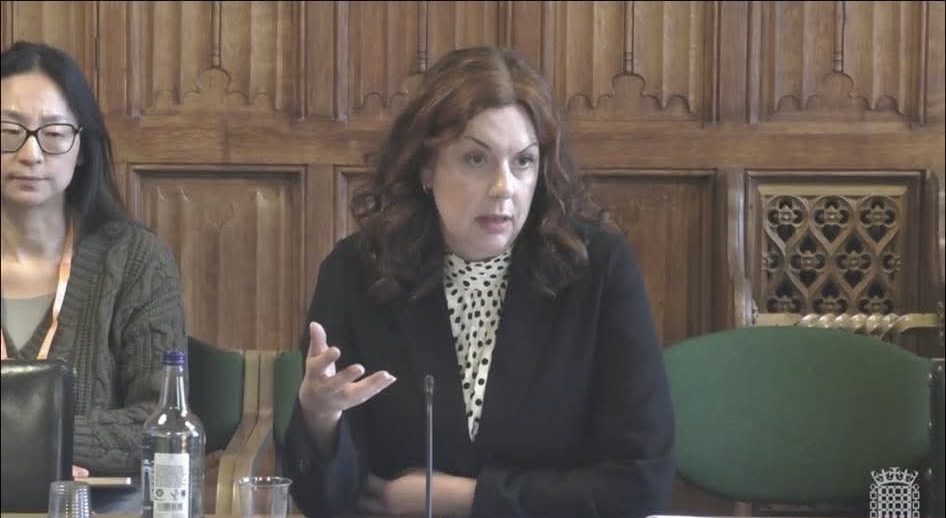
Dr. Karen Middleton from the University of Portsmouth provided compelling research and analysis that helped shape the government’s understanding of how digital platforms became vehicles for spreading false information during the riots. Her contributions underscored the complex relationship between social media algorithms, content monetization, and public behavior during times of social tension.
The Southport riots, which erupted following a knife attack at a community center in July, represented one of the most serious outbreaks of civil disorder in the UK in recent years. What began as peaceful vigils quickly descended into violence across multiple cities, with social media playing a documented role in organizing gatherings and amplifying misinformation about the original incident.
“What we witnessed during the Southport events was a textbook example of how quickly misinformation can spread and trigger real-world consequences,” said Dr. Middleton in a statement provided to the University of Portsmouth. “The monetization of inflammatory content through advertising revenue creates perverse incentives for platforms to amplify divisive messaging.”
The government report, which examines the intersection of social media policy, public safety, and civil discourse, comes at a critical time as UK legislators consider stronger regulations for digital platforms. Dr. Middleton’s evidence is expected to influence upcoming policy decisions regarding online content moderation and platform accountability.
According to sources familiar with the report, Dr. Middleton’s research specifically examined how certain posts gained unusual traction during the height of tensions, with advertising systems automatically placing paid content alongside inflammatory material. This monetization pathway potentially incentivized the creation and sharing of more extreme content, creating a dangerous feedback loop.
The University of Portsmouth has established itself as a center for digital ethics research, with its faculty increasingly consulted on matters of national importance. This contribution to the government’s understanding of the Southport riots further solidifies the institution’s reputation for producing relevant, impactful research with real-world applications.
Technology policy experts have praised the inclusion of academic perspectives in government reports addressing social media governance. “Academic researchers like Dr. Middleton bring crucial independent analysis that helps us understand not just what happened, but why it happened,” said a spokesperson from the UK Centre for Digital Ethics, who was not directly involved in the report.
The findings come as social media companies face mounting pressure worldwide to take greater responsibility for content circulating on their platforms. In the UK specifically, the Online Safety Bill has introduced new legal responsibilities for digital platforms to protect users from harmful content.
Home Office officials have indicated that the report’s recommendations, informed by Dr. Middleton’s evidence, will likely influence upcoming amendments to digital safety legislation. These could include stricter requirements for platforms to identify and limit the spread of misinformation during sensitive events.
The University of Portsmouth has confirmed that Dr. Middleton will continue her research into social media’s influence on public behavior, with additional studies planned to examine intervention strategies that could prevent online misinformation from translating into real-world violence.
As the UK government prepares to publish the full report, stakeholders across the technology sector, civil society organizations, and law enforcement agencies await its findings with keen interest. The document is expected to provide a comprehensive framework for understanding how digital platforms can better serve public interests during times of social crisis.
Fact Checker
Verify the accuracy of this article using The Disinformation Commission analysis and real-time sources.

11 Comments
The UK government’s incorporation of the Portsmouth expert’s evidence on this matter is a positive step toward addressing the challenges posed by the spread of false information on digital platforms.
Rigorous research and analysis from experts like Dr. Middleton will be key to developing effective policies and solutions.
The Southport riots represent a troubling example of how social media can be leveraged to fuel civil unrest. Careful study of these events and their underlying causes is crucial.
This report highlights the need for greater transparency and accountability around how social media platforms operate, especially during times of social upheaval. Rigorous research is essential.
Fascinating to see how social media’s role in fueling the Southport riots is being examined. The relationship between online misinformation, content monetization, and civil unrest is a complex but critical issue to understand.
The role of social media in organizing gatherings and amplifying misinformation during the Southport riots is deeply concerning. Addressing these challenges will require a multi-faceted approach.
I’m glad to see the government taking this issue seriously and incorporating expert analysis to better understand the dynamics at play.
I’m curious to learn more about the specific ways the social media platforms’ content monetization practices may have exacerbated the Southport riots. Understanding these mechanisms is important.
The government’s incorporation of the Portsmouth expert’s findings is a welcome step toward shedding light on these critical issues.
This report highlights the urgent need to address the systemic issues that allow misinformation to spread and potentially contribute to real-world violence. Careful study of these dynamics is crucial.
The complex interplay between social media, algorithms, and public behavior during times of social tension deserves close examination.