


Listen to the article
Democracy Watchdog Monitors Online Discourse in Kosovo’s 2025 Local Elections
As Kosovo prepares for its 2025 Local Elections, a prominent civil society organization has launched a comprehensive initiative to monitor digital discourse and ensure democratic integrity in an increasingly online campaign environment.
Democracy for Development (D4D), in partnership with the Centre for Humanitarian Dialogue, is spearheading efforts to track hate speech, gender-based disinformation, and media bias across Kosovo’s digital landscape during the electoral cycle.
The initiative builds upon a recently signed Code of Conduct for the Responsible Use of Social Media, endorsed by eight political parties, five media outlets, and nine civil society organizations. Signatories have pledged to refrain from hate speech, misinformation, personal attacks, and other harmful online practices during the campaign period.
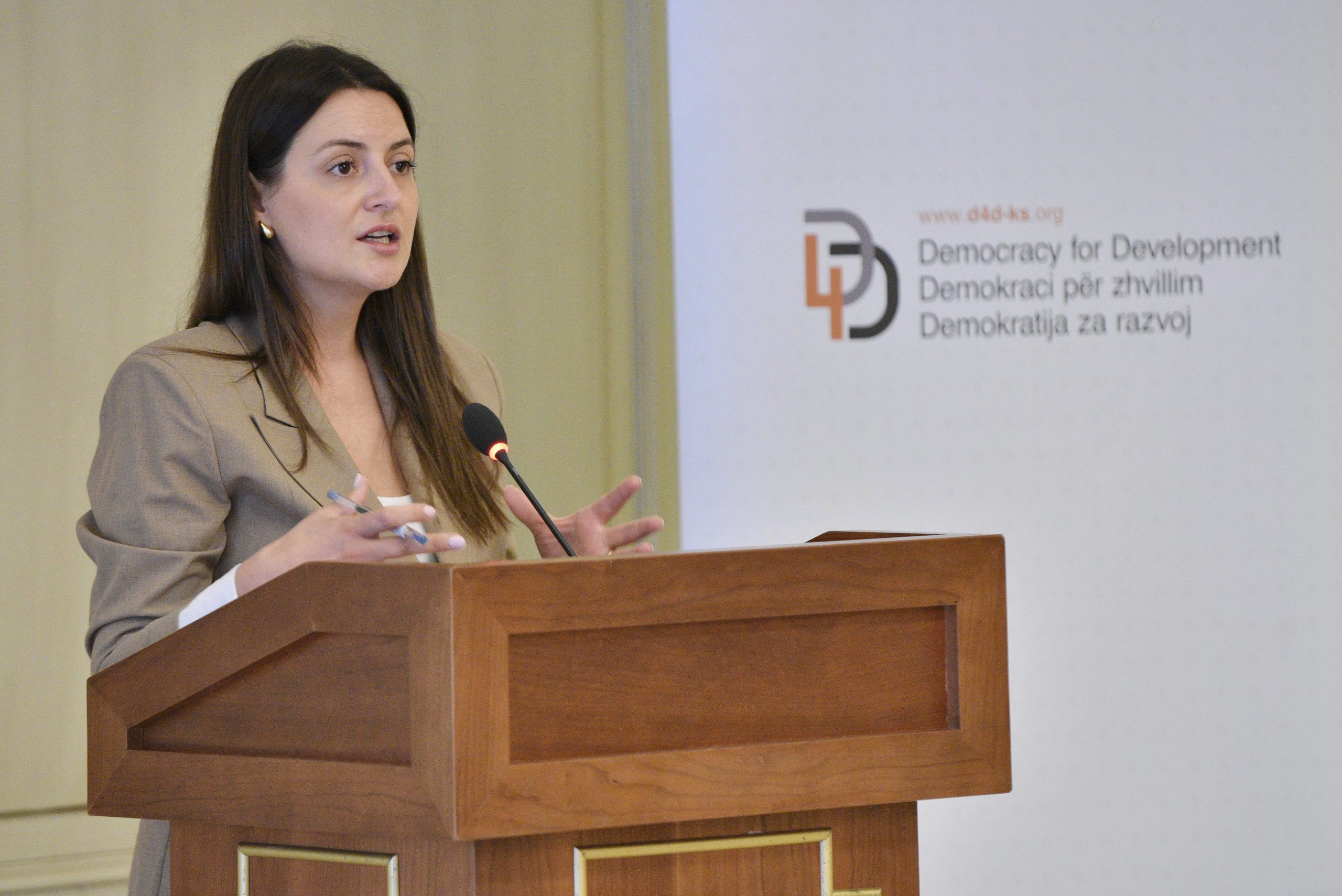
“By shining a light on harmful trends in political discourse, we contribute to a culture of accountability and respect in Kosovo’s electoral process,” said Rezarta Krasniqi, Executive Director of D4D. “Our monitoring helps identify patterns of abuse, disinformation, and bias, enabling civil society, media, and political actors to respond effectively.”
The organization is focusing its monitoring efforts on 14 municipalities, tracking both mayoral and municipal council races. Among the 95 mayoral candidates, a stark gender disparity exists – 80 men compared to just 15 women. The monitoring also covers 2,691 municipal council candidates and surveys 125 online news portals, including 107 Albanian-language and 18 Serbian-language outlets.
Preliminary findings have already revealed concerning trends. D4D has documented 109 instances of inappropriate language by political representatives on social media, even before the official campaign period began. Using specialized monitoring software, these incidents were categorized and analyzed to assess both content violations and political implications.
Gender-based disinformation has emerged as a particularly troubling issue. Research shows that women candidates face disproportionate attacks that often focus less on their political positions and more on personal attributes, appearance, or gender stereotypes.
“Such attacks intensify during election campaigns and undermine women’s credibility as political actors,” Krasniqi noted. “This not only affects individual candidates but also discourages women’s participation in public life, reinforcing structural barriers to gender equality in politics.”
The monitoring has also highlighted significant disparities in media visibility, with male candidates receiving substantially more coverage than their female counterparts. This imbalance further compounds the challenges women face in gaining electoral traction.
Kosovo, which declared independence from Serbia in 2008, has worked to strengthen its democratic institutions over the past decade. However, political discourse remains polarized, and the increased prominence of social media in campaigns has created new challenges for electoral integrity.
The country’s Central Election Commission welcomes the independent monitoring, seeing it as complementary to official oversight mechanisms. International organizations, including the European Union and OSCE, have similarly endorsed civil society efforts to ensure fair electoral processes.
D4D will continue publishing weekly updates and in-depth analysis throughout the election period, with all reports publicly available on their website. These resources provide valuable insights for journalists, researchers, and citizens seeking to understand campaign dynamics.
The initiative represents a significant evolution in election monitoring, extending beyond traditional ballot-box observation to encompass the increasingly influential digital sphere. As campaigns worldwide shift to online platforms, Kosovo’s experience offers potential lessons for other emerging democracies grappling with similar challenges.
“The goal is not only to monitor but to foster more inclusive and respectful political debate,” Krasniqi emphasized. “By holding stakeholders accountable and empowering voters with accurate information, we can ensure elections remain fair, transparent, and representative in the digital age.”
Fact Checker
Verify the accuracy of this article using The Disinformation Commission analysis and real-time sources.

10 Comments
Responsible use of social media is an important issue, and Kosovo’s code of conduct sets a good example. Proactive steps to ensure electoral integrity are commendable.
Absolutely. Maintaining a healthy digital ecosystem should be a priority for all democracies.
Social media has become a powerful tool, but also a potential minefield for electoral processes. Kosovo’s approach to monitoring and accountability is commendable.
Proactive monitoring of online rhetoric and disinformation during elections is becoming increasingly important worldwide. Kudos to Kosovo for taking this initiative.
Absolutely. Transparent and accountable digital campaigning should be the norm, not the exception.
Interesting to see how Kosovo is taking steps to monitor social media during their upcoming elections. Maintaining a healthy digital discourse is crucial for democratic integrity.
Agreed. The code of conduct signed by political parties, media, and civil society is a positive step in the right direction.
This is a smart move by Kosovo to address online harms and ensure a level playing field in their upcoming local elections. Transparency is key.
Agreed. Monitoring for hate speech, disinformation, and biased reporting is critical to upholding democratic principles.
Kudos to the civil society organizations in Kosovo for taking the initiative to track digital discourse during the election cycle. A much-needed effort.