


Listen to the article
South Asia’s regional unity has long been hindered by its fragmented approach to cooperation, a situation now worsened by the rampant spread of misinformation across borders. As one of the world’s least integrated regions, South Asia stands in stark contrast to the collaborative success stories of Europe and Southeast Asia.
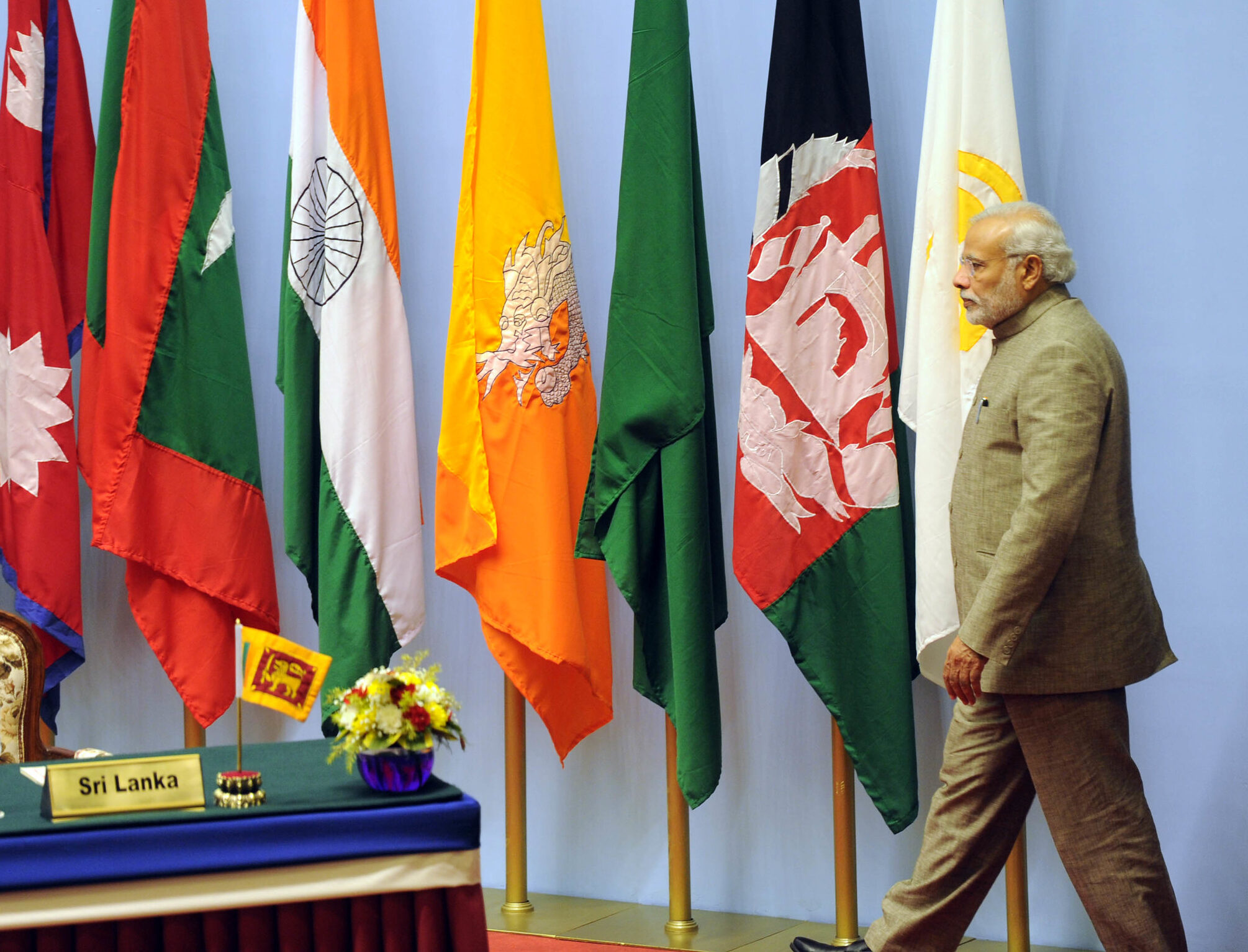
The South Asian Association for Regional Cooperation (SAARC), originally established to foster economic collaboration among neighboring countries, has been effectively non-functional for over a decade. Bangladesh’s chief advisor Dr. Muhammad Yunus recently called for its revival, recognizing that regional interdependence could drive shared prosperity. However, these aspirations face a formidable obstacle: the unchecked proliferation of misinformation that is actively poisoning cross-border relations.
Recent political upheavals have highlighted this troubling trend. Following Sheikh Hasina’s removal as Bangladesh’s Prime Minister in August 2024, social media accounts originating from India amplified isolated incidents of violence against Hindus, falsely framing them as evidence of a “Hindu genocide.” Earlier this year, during renewed armed conflict between India and Pakistan, both mainstream media and social platforms in both countries became vehicles for nationalist propaganda and misinformation, significantly influencing public perception in real-time.
The Maldives has not been immune to this problem either. In 2022 and 2023, online misinformation campaigns strained Maldivian-Indian relations, fueling the opposition’s “India Out” movement ahead of presidential elections.
Social media platforms have emerged as primary vectors for this regional crisis. During the India-Pakistan tensions in May, triggered by the killing of Indian tourists and a local in Kashmir, platforms like X (formerly Twitter) were flooded with manipulated content. One particularly concerning example was an AI-generated video purporting to show a Pakistani general admitting to aircraft losses, which garnered over 750,000 views and was even cited by major Indian news outlets including NDTV and Firstpost.
The aftermath of Sheikh Hasina’s ouster in Bangladesh revealed similar patterns. Although the political violence affected both Muslims and Hindus, a network of X accounts—70% of which were traced to India—spread false claims of targeted communal violence. These posts collectively amassed over 154 million views, often misrepresenting attacks on Muslim-owned establishments as targeting Hindu businesses.
In the Maldives, the “India Out” campaign gained significant traction on social media. In 2022, posts with the #Indiaout hashtag generated over 7 million impressions in just one week—a remarkable figure for a country with only 123,000 X users. During the 2023 presidential election, European Union observers documented disinformation campaigns designed to inflame fears about Indian influence over Maldivian governance.
The problem is compounded when misinformation transcends social media and infiltrates mainstream news outlets. During heightened tensions, Indian and Pakistani television channels have employed sensationalist graphics and dramatic sound effects to lend credibility to unverified claims. Pakistani newspaper The Express Tribune falsely reported that Pakistan’s air force had destroyed India’s air defense system at Adampur Air Base, while India’s Republic TV incorrectly announced major attacks by the Indian Navy on Karachi Port.
Following political change in Bangladesh, at least 49 Indian news outlets published 13 false reports about communal violence, with right-wing publications like Organiser liberally using the term “Hindu genocide.” Similarly, opposition-aligned Maldivian outlets such as The Maldives Journal and Maldives News Network published stories accusing Indian diplomats of espionage.
This flow of misinformation from social media to mainstream news represents perhaps the greatest threat to regional cohesion. It has created a deeply flawed information ecosystem where viral fiction routinely triumphs over fact, fostering animosity rather than cooperation across South Asia.
As the largest and most influential SAARC members, India, Bangladesh, and Pakistan possess the political leverage needed to revitalize regional cooperation. However, addressing the structural barriers created by misinformation requires a multi-faceted approach involving diverse stakeholders throughout the region.
A crucial first step would be establishing stronger journalistic standards and fostering cross-border media partnerships to produce more objective reporting. Organizations like Boom Fact Check and WebQoof by the Quint, which have been certified by the International Fact Checking Network, offer models for integrating fact-checking into modern journalism.
Governments must also collaborate with fact-checking organizations to monitor and counter disinformation campaigns that cross national and linguistic boundaries, particularly those that risk inciting intergroup hostility. Simultaneously, media regulators should implement stronger accountability measures for both digital platforms and news outlets, while social media companies must adhere to stricter transparency and content moderation standards in regional languages.
While such reforms will likely face resistance, the successful integration experiences of Europe and Southeast Asia demonstrate that combating misinformation is fundamental to building a more peaceful, cooperative, and united South Asia.
Fact Checker
Verify the accuracy of this article using The Disinformation Commission analysis and real-time sources.

11 Comments
Spreading false narratives about violence against minorities is a dangerous tactic that can quickly spiral out of control. Fact-checking and media literacy efforts are sorely needed across South Asia.
I agree. Responsible journalism and digital literacy programs are crucial to counter the malicious spread of disinformation that undermines regional stability.
Social media misinformation is a serious issue, especially in regions like South Asia where political tensions are already high. Controlling the spread of false narratives across borders is crucial for maintaining regional stability and cooperation.
Absolutely. Governments and social media platforms need to work together to combat the deliberate spread of disinformation that is fueling divisions in South Asia.
The article highlights how social media can be weaponized to exacerbate political tensions in South Asia. Curbing the cross-border flow of misinformation should be a top priority for policymakers in the region.
The SAARC’s inability to function effectively is a real missed opportunity for South Asia. Reviving regional cooperation is important, but it will be an uphill battle as long as misinformation remains rampant.
It’s concerning to see how quickly misinformation can escalate political conflicts in South Asia. Regional economic integration and prosperity could be greatly hindered if these information wars continue unabated.
You make a good point. Restoring trust and fostering cross-border dialogue will be key to overcoming the corrosive impact of social media-driven misinformation in the region.
The article raises important concerns about the corrosive impact of social media misinformation on regional stability in South Asia. Restoring trust and building resilience against disinformation should be a key priority for policymakers.
It’s disheartening to see how misinformation is hindering the prospects for greater regional integration and economic cooperation in South Asia. Addressing this challenge will require a coordinated, multilateral approach.
Absolutely. Fostering digital literacy, strengthening fact-checking, and improving media regulation across South Asia are essential steps to combat the spread of harmful misinformation.