


Listen to the article
Survey Shows Luxembourg’s Youth Concerned About Social Media’s Impact on Mental Health
A new survey by Bee Secure reveals that the majority of young people in Luxembourg believe social media is taking a toll on their mental wellbeing, despite many spending significant time on these platforms daily. The findings were presented Tuesday by the National Youth Service as part of Safer Internet Day activities.
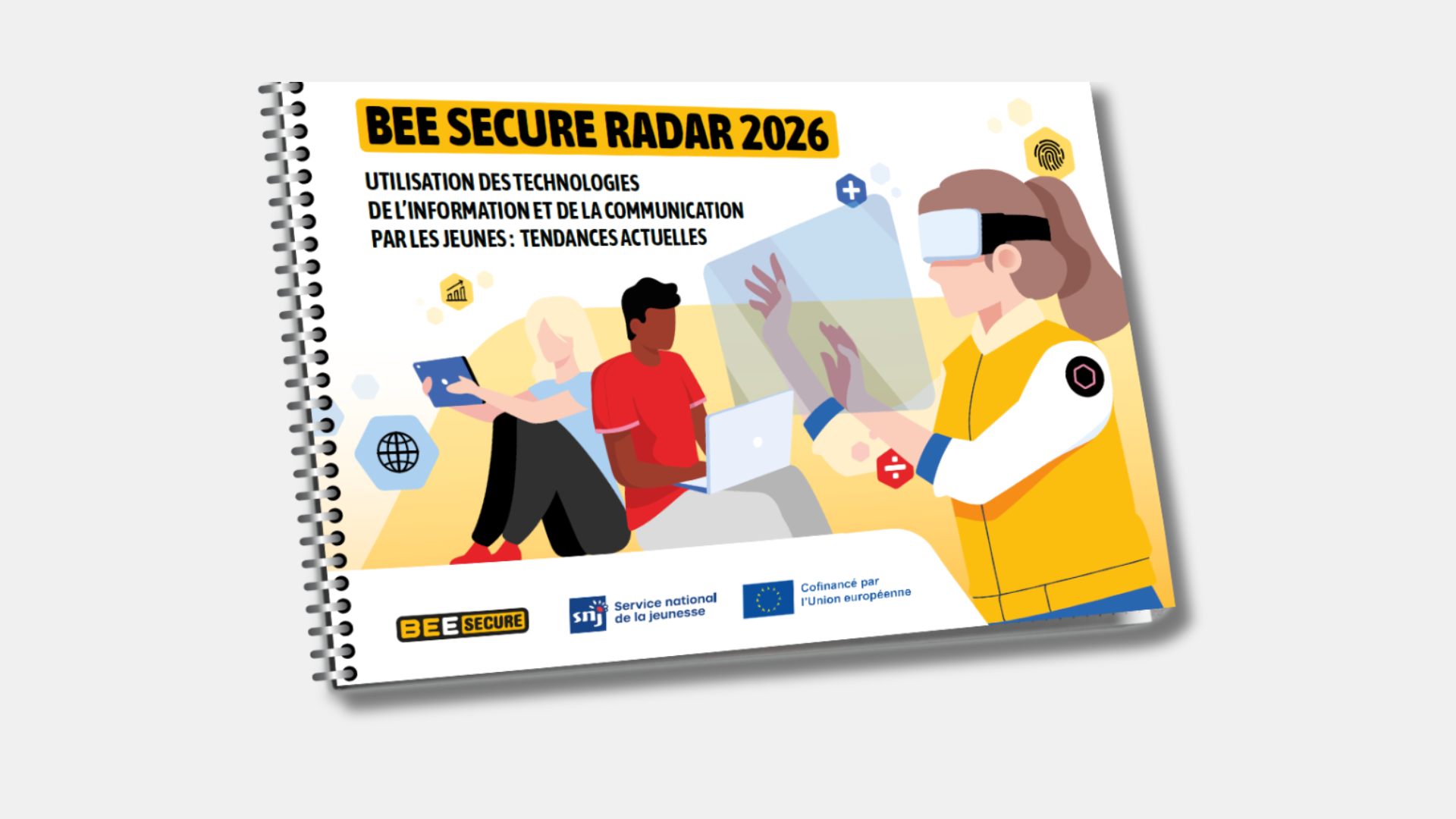
According to the “BEE SECURE Radar” report, over half of respondents between ages 17 and 30 indicated that social media negatively affects their mental health. Paradoxically, approximately one-third of the same respondents admitted to spending four or more hours daily on social media platforms.
This digital contradiction highlights the complex relationship young people have with technology – recognizing its potential harms while remaining heavily engaged with it. The phenomenon mirrors global trends where social media usage continues to rise despite growing awareness of its potential psychological impacts.
The survey also identified disinformation and fake news as primary concerns in the digital landscape. Both young people and adults flagged these issues as significant risks associated with technology use, reflecting broader societal anxieties about information integrity in the digital age.
Luxembourg’s focus on these issues comes as European nations increasingly grapple with the social and psychological effects of technology on younger generations. The Grand Duchy, with its highly digitized economy and multicultural population, provides an interesting case study for researchers examining these trends.
The BEE SECURE helpline, which offers support for internet-related issues, reported a substantial increase in usage over the past year. Call volume jumped from approximately 530 in 2024 to over 700 in 2025, representing a roughly 32% increase. Notably, cybercrime-related concerns dominated these calls, suggesting growing public awareness around digital security threats.
This uptick in helpline usage may indicate either rising incidents of problematic online behavior or increased awareness about available support resources – possibly both. Either way, it underscores the need for continued education and support systems as technology becomes further embedded in daily life.
Luxembourg has been proactive in digital literacy initiatives, with BEE SECURE serving as a central resource for youth, parents, and educators. The organization offers educational materials, workshops, and direct support through its helpline, taking a comprehensive approach to fostering safer internet practices.
Digital literacy experts emphasize that the relationship between young people and technology requires nuanced understanding. While social media platforms can facilitate connection and creative expression, they may also contribute to comparison behaviors, sleep disruption, and anxiety – particularly when used excessively.
“The data from Luxembourg reflects what we’re seeing across Europe,” commented a digital safety expert not affiliated with the study. “Young people are increasingly aware of how technology affects them, yet breaking dependency patterns remains challenging due to how these platforms are designed.”
Safer Internet Day, an international initiative celebrated in February, aims to promote safer and more responsible use of online technology, particularly among children and young people. Luxembourg’s participation through research and awareness campaigns demonstrates its commitment to addressing these evolving challenges.
The BEE SECURE report serves as a reminder that as digital technologies continue to transform society, understanding their impacts – both positive and negative – becomes increasingly important for policymakers, educators, parents, and young people themselves.
As Luxembourg continues to position itself as a digital leader in Europe, balancing technological advancement with digital wellbeing remains a critical consideration for ensuring that progress benefits citizens of all ages.
Fact Checker
Verify the accuracy of this article using The Disinformation Commission analysis and real-time sources.

10 Comments
The survey results from Luxembourg are concerning but not surprising given the broader trends around social media’s mental health impacts, especially on young people. Implementing effective solutions to address these issues will require a multi-stakeholder approach.
Absolutely. Raising awareness, enhancing digital skills, and implementing safeguards are all critical components. It’s a complex challenge that requires concerted efforts from families, educators, technology firms, and policymakers.
It’s alarming to see so many young people in Luxembourg feeling the negative effects of social media on their well-being. This highlights the complex relationship youth have with technology – the recognition of potential harms, yet continued heavy engagement. Addressing the root causes and finding healthy balance will be critical.
Agreed, the findings underscore the need for greater digital literacy and support for young people to navigate this challenging landscape. Policymakers and tech companies must work together to promote more positive social media experiences.
It’s concerning to see the majority of Luxembourg’s youth reporting negative effects from social media use. This underscores the need for greater digital literacy and support to help young people navigate this complex landscape in a healthier way.
The survey results from Luxembourg highlight the growing challenge of balancing the benefits and risks of social media, especially for young people. Developing effective solutions will require a collaborative effort across multiple stakeholders.
Absolutely. Addressing this issue will need to involve a combination of educational programs, regulatory frameworks, and technological innovations to promote more positive social media experiences.
The findings from Luxembourg echo the broader global concerns around the mental health impacts of social media, especially on younger generations. Addressing this challenge will require a multifaceted approach focused on education, regulation, and technological solutions.
Agreed. Policymakers, tech companies, educators, and parents all have a role to play in helping young people develop healthier relationships with social media and digital technology.
While it’s troubling to see the negative effects of social media on Luxembourg’s youth, I’m glad the survey is shining a light on this important issue. Better understanding the complex dynamics at play is the first step towards developing more effective interventions and support systems.