


Listen to the article
Navigating the Truth: How to Identify and Combat Misinformation in the Digital Age
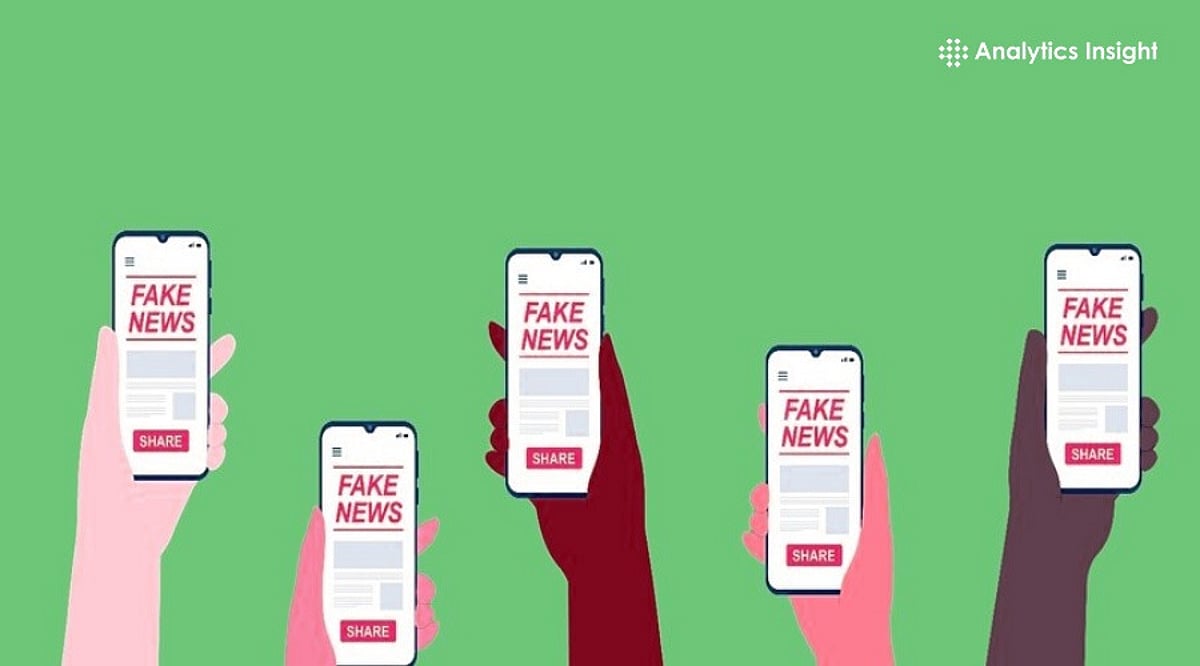
In an era where information travels at unprecedented speeds across social media platforms, distinguishing fact from fiction has become an essential skill for digital citizens. The viral spread of unverified claims can influence public opinion, affect markets, and even impact political decisions before fact-checkers can intervene.
Media literacy experts point to several quick strategies for identifying potential misinformation while scrolling through social feeds. The most fundamental approach involves verifying the source of information before accepting its claims. Legitimate news typically carries clear attribution with a journalist’s byline and publication date – elements often missing from fabricated content.
“The absence of basic journalistic identifiers should immediately raise red flags,” says Claire Wardle, co-founder of First Draft, a nonprofit focused on tackling misinformation. “When content lacks transparency about who created it and when, that’s your first clue something might be amiss.”
Comparing questionable stories with coverage from established news organizations provides another layer of verification. Major developments typically receive attention from multiple reputable outlets, while fabricated stories often exist in isolation or only on platforms with minimal editorial oversight.
Research from the MIT Media Lab reveals why false information often outperforms truthful content online. Fabricated stories typically trigger stronger emotional responses – particularly anger, fear, or tribal pride – making users more likely to engage and share. This psychological manipulation gives misinformation a competitive advantage in algorithms that prioritize engagement.
“Fake news isn’t just incorrect – it’s strategically designed to exploit how our brains and social media platforms work,” explains Sinan Aral, director of the MIT Initiative on the Digital Economy. “Content that confirms existing beliefs while triggering emotional responses creates the perfect storm for viral spread.”
The phenomenon known as confirmation bias compounds the problem, as users are naturally inclined to accept information that aligns with their existing worldview without scrutinizing it. Meanwhile, legitimate journalism often requires nuance, context, and multiple perspectives – elements that can seem less compelling in a fast-scrolling environment.
Several digital tools have emerged to help users verify suspicious content. Reverse image searches through services like Google Images or TinEye can reveal whether a photo has been manipulated or repurposed from an unrelated event. Fact-checking organizations including Snopes, FactCheck.org, and PolitiFact maintain databases of debunked claims that users can search before sharing content.
Industry professionals recommend conducting keyword searches across trusted news platforms when encountering viral claims. “If a story seems extraordinary but doesn’t appear on any major news site, that absence speaks volumes,” notes Peter Adams, senior vice president of education at the News Literacy Project.
Another revealing indicator is an image or video’s original upload date, which can expose whether content from past events is being falsely presented as current news – a common tactic during breaking news situations.
Despite these challenges, experts emphasize that virality itself isn’t proof of falsehood. Legitimate breaking news can spread rapidly through social networks. The key difference lies in the presentation: genuine reporting typically provides clear sourcing, contextual information, and avoids sensationalism.
Media literacy advocates recommend developing a personal verification habit before sharing any content online. This practice includes pausing to read beyond attention-grabbing headlines, confirming the original source, checking publication dates and location information, and only sharing when multiple reliable sources corroborate the information.
“The most effective defense against misinformation is a simple five-second pause before hitting share,” says Joan Donovan, research director at Harvard’s Shorenstein Center on Media, Politics and Public Policy. “That brief moment to ask ‘How do I know this is true?’ can dramatically reduce the spread of false information.”
As social media platforms continue evolving their approaches to content moderation, the responsibility for information hygiene ultimately remains with users. By applying basic verification principles and resisting content designed primarily to provoke emotional reactions, digital citizens can help slow misinformation’s spread while building more resilient information ecosystems.
Fact Checker
Verify the accuracy of this article using The Disinformation Commission analysis and real-time sources.

9 Comments
Lack of clear attribution and journalistic identifiers is a major red flag for potential fake news. This guide provides useful strategies to help discern fact from fiction online.
You’re absolutely right. Being a critical consumer of online information is more important than ever.
Navigating the truth in the age of social media is no easy feat. This guide offers a timely and valuable roadmap for identifying misinformation and combating its spread.
In an age of information overload, developing media literacy is essential. This guide offers practical advice to navigate the complex world of fake news and misinformation.
Distinguishing fact from fiction online is a growing challenge. This guide provides a solid framework for verifying information and avoiding the pitfalls of fake news.
Kudos to the Disinformation Commission for publishing this comprehensive guide on spotting fake news. Verifying sources and comparing coverage are crucial skills in the digital age.
I agree, this is an important topic that deserves widespread attention. Developing media literacy should be a priority for all digital citizens.
Spotting fake news is a critical skill in today’s digital landscape. Verifying the source and comparing coverage across reputable outlets are great tips to avoid being misled by misinformation.
Fact-checking and cross-referencing sources are key to identifying fabricated content. This is a timely and valuable resource for staying informed while avoiding the pitfalls of online misinformation.