


Listen to the article
Spain Proposes Ban on Social Media for Children Under 16, Citing Digital Dangers
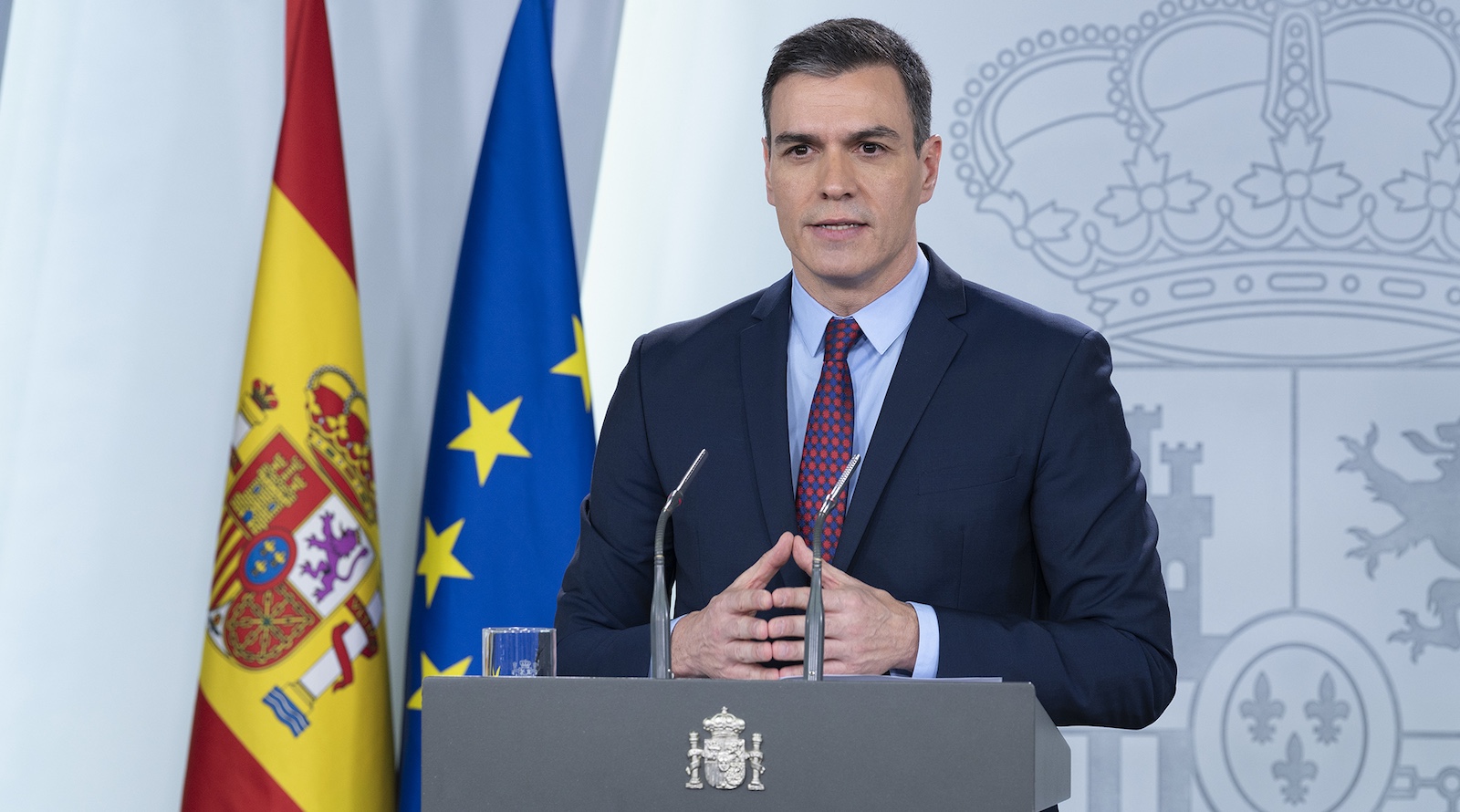
Spanish Prime Minister Pedro Sánchez has unveiled plans to ban social media use for children under 16 years old, describing these platforms as a “digital wild west” where harmful content flourishes unchecked.
The proposed legislation comes amid growing global concern about social media’s impact on youth mental health. Research has consistently shown that social media usage can negatively affect self-image and self-confidence among young people, with some studies linking excessive use to increased rates of anxiety, depression, and suicidal ideation.
“Our children are exposed to a space they were never meant to navigate alone. We will no longer accept that,” Sánchez declared at the World Governments Summit in Dubai. “We will protect them from the digital wild west.”
The Spanish premier went further in his criticism, characterizing social media as a “failed state where laws are ignored and crimes are tolerated.” He specifically singled out X (formerly Twitter) for allegedly amplifying misinformation.
Elon Musk, X’s owner, responded with characteristic bluntness, calling Sánchez “a tyrant and a traitor to the people of Spain” and later labeling him “the true fascist totalitarian.”
Spain’s initiative follows Australia’s move in late 2024 to implement similar restrictions for children under 16. Several European nations, including Greece, France, and the United Kingdom, are considering comparable measures for those under 15.
The proposal raises significant questions about implementation and enforcement. Defining what constitutes “social media” presents an immediate challenge. While platforms like TikTok, X, Instagram, and Facebook clearly fall under this umbrella, other services like YouTube and Reddit occupy a gray area, offering educational content alongside potential rabbit holes of misinformation and extremist viewpoints.
Social media companies have faced increasing scrutiny for their algorithmic designs that often prioritize engagement through emotional triggers, particularly outrage and controversy. Critics argue these systems deliberately exploit psychological vulnerabilities to maximize user attention and advertising revenue, often at the expense of factual information and civil discourse.
Public health experts have long warned about the unique vulnerability of developing brains to these engagement techniques. Adolescents, whose prefrontal cortex—responsible for decision-making and impulse control—is still developing, may be particularly susceptible to the dopamine-driven reward systems that make social media platforms so addictive.
The regulatory approach represents a significant shift in how governments view digital spaces. Initially celebrated as tools for connectivity and democratization of information, social media platforms are increasingly being recognized as commercial enterprises that may require regulation similar to other industries affecting public health.
Industry observers note that effective implementation would require cooperation from technology companies, many of which have historically resisted external regulation. Age verification systems remain technically challenging to implement without compromising user privacy, and determined young users often find ways to circumvent restrictions.
Spain’s proposal adds momentum to a growing international movement to establish guardrails for digital spaces, particularly for younger users. As more research emerges about the psychological impacts of social media, policymakers worldwide are weighing the balance between connectivity benefits and potential harms.
The coming debate in Spain will likely serve as a bellwether for similar initiatives globally, as governments grapple with regulating technologies that have rapidly transformed society faster than legal frameworks could adapt.
Fact Checker
Verify the accuracy of this article using The Disinformation Commission analysis and real-time sources.

8 Comments
This is a complex issue without easy answers. A social media ban for minors could help protect them, but it may also stifle their ability to learn and communicate in the digital age. I’m curious to see how this plays out in Spain and what other solutions might emerge.
You raise a good point. Finding the right balance between protection and enabling digital literacy will be key. It will be interesting to see if Spain’s proposal sparks similar debates in other countries.
Hmm, I can see the reasoning behind this proposal, but a complete ban seems quite drastic. Perhaps a more nuanced framework, like age restrictions and parental controls, would be a better way to address the risks of social media for minors.
A social media ban for minors is a bold move, but I wonder about the practical implementation and potential unintended consequences. Fostering digital citizenship and empowering parents to manage their kids’ online activities may be a more holistic solution.
Interesting proposal from the Spanish PM. While the concerns about social media’s harms for youth are valid, I’m not sure a blanket ban is the right answer. What do you think would be a more effective way to address this complex issue?
While the Spanish PM’s concerns about social media’s impact on youth are understandable, a full ban seems overly restrictive. Developing age-appropriate guidelines, robust content moderation, and digital literacy programs may be a more nuanced approach to address the risks.
This is a complex issue with valid concerns on both sides. While protecting minors from harmful online content is crucial, a total ban may be too heavy-handed. Thoughtful regulation and digital literacy education could be a more balanced approach.
A social media ban for minors is a bold move, but I’m not convinced it’s the best solution. Increased digital safety education and parental controls could be more effective at mitigating the harms while still allowing young people to engage online. What are your thoughts on this?