


Listen to the article
In the aftermath of the tragic Southport murders, online misinformation has played a significant role in fueling public anger and unrest, according to technology journalist Chris Stokel-Walker. The spread of false claims has become a critical factor in the violence that has erupted across several British cities.
Following the July 29 killings of three young girls—Bebe King, 6, Elsie Dot Stancombe, 7, and Alice Dasilva Aguiar, 9—social media platforms quickly became flooded with fabricated information about the suspect. Within hours of the attack, false narratives began circulating widely, particularly on X (formerly Twitter), setting the stage for what would become days of civil unrest.
“The whole reason these riots are happening is because of misinformation,” Stokel-Walker explained. “The misidentifying of the alleged suspect, and this kind of idea this had some kind of racial element, gets baked into the discussion. It was completely and utterly untrue.”
Among the most damaging falsehoods was the claim that the alleged perpetrator had arrived in the UK illegally by small boat in 2023. Other posts falsely identified him as Muslim, and a fabricated name spread across social platforms, further inflaming tensions. These claims appeared designed to stoke anti-immigration and anti-Muslim sentiment.
Merseyside Police later issued a correction, confirming that the suspect was actually born in Cardiff to Rwandan parents and had no known connections to Islam. However, by then, the misinformation had already spread extensively, contributing to a climate of heightened tension.
The Southport case highlights a growing pattern where social media platforms become breeding grounds for false information during crisis events. The rapid spread of unverified claims has become a particular challenge for law enforcement and communities attempting to maintain calm following traumatic incidents.
Social media experts note that algorithmic amplification on platforms like X can cause inflammatory content to reach enormous audiences within minutes. This phenomenon has been exacerbated in recent years by reduced content moderation on several major platforms and the proliferation of anonymous accounts sharing unverified information.
When approached by the BBC for comment on its role in the spread of misinformation related to the Southport attack, X did not provide a response. The platform has faced increasing scrutiny over its content moderation policies since its acquisition by Elon Musk and subsequent rebranding from Twitter.
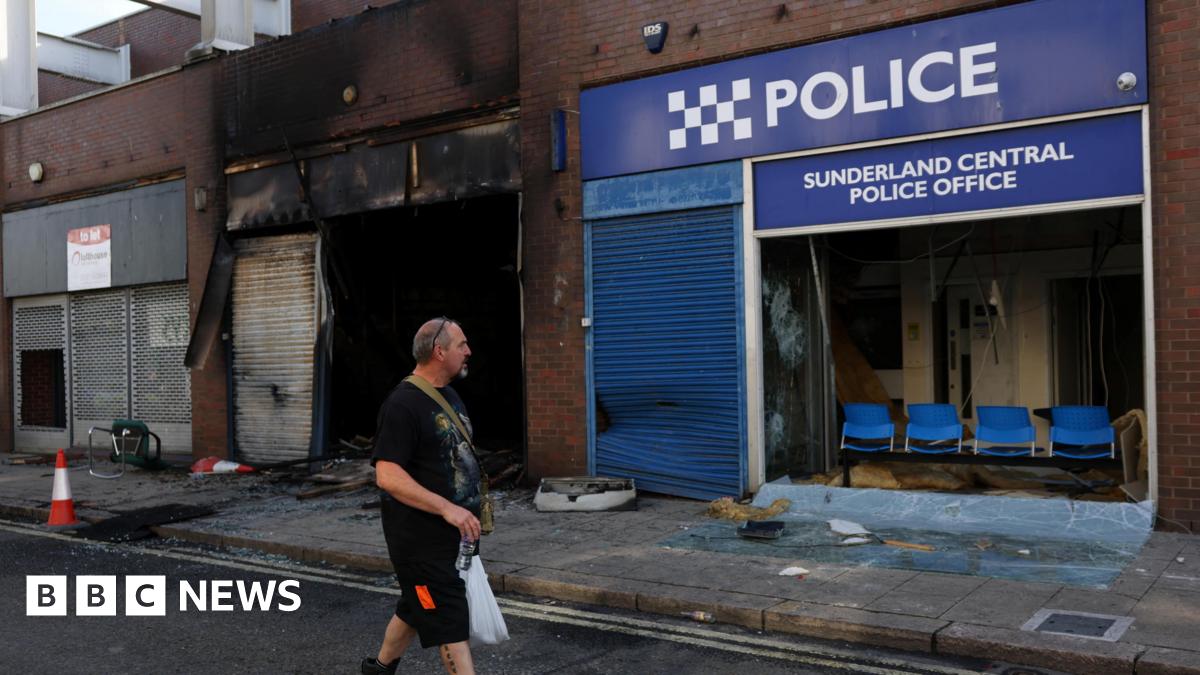
The resulting riots, which have spread to multiple locations including Southport, Liverpool, Manchester, and several other cities, represent some of the worst civil unrest the UK has experienced in years. Police officers have been injured, businesses damaged, and hundreds of arrests made as authorities attempt to restore order.
Government officials and community leaders have condemned both the violence and the spread of misinformation, with calls for greater responsibility from social media platforms. Several have pointed to the need for enhanced digital literacy among users and more effective fact-checking mechanisms during crisis situations.
The case also highlights the real-world consequences of online misinformation. What began as false claims online quickly translated into physical violence on the streets, demonstrating the increasingly blurred line between digital discourse and community safety.
As investigations into the Southport murders continue, authorities face the dual challenge of bringing justice to the victims’ families while also countering the false narratives that have fueled disorder across the country. For communities affected by both the tragedy and subsequent unrest, the impact of this misinformation campaign will likely be felt for months to come.
Fact Checker
Verify the accuracy of this article using The Disinformation Commission analysis and real-time sources.

14 Comments
The findings of this investigation highlight the urgent need for social media platforms to take more responsibility in preventing the dissemination of false and inflammatory content. Stronger policies and enforcement are clearly required.
This is a stark reminder of the potential for social media to be exploited to spread false narratives and incite violence. Robust fact-checking, improved content moderation, and greater transparency from platforms are essential to combat this threat.
Agreed. The proliferation of misinformation on social media is a complex and multifaceted problem that requires a comprehensive and coordinated response.
The role of social media in fueling unrest and violence through the spread of misinformation is deeply troubling. This investigation underscores the urgent need for platforms to take more responsibility in addressing this critical issue.
The role of social media in spreading misinformation and fanning the flames of unrest is very concerning. Proper investigation and accountability are needed to address this issue and prevent similar incidents in the future.
I agree. Social media platforms must be held accountable for allowing the rapid spread of false information that can have such devastating consequences.
The findings of this investigation are deeply concerning. Social media misinformation can have far-reaching and dangerous impacts, as we’ve seen here. Addressing this challenge must be a top priority for all stakeholders, from platforms to policymakers.
This is a stark reminder of the dangers of misinformation, particularly in sensitive situations. Vigilance and responsible reporting are crucial to prevent social media from being exploited to incite violence and unrest.
This is a sobering example of how misinformation on social media can have devastating real-world consequences. Robust fact-checking and content moderation are essential to protect against the manipulation of public discourse and the incitement of violence.
Absolutely. Social media companies must be held accountable for the role their platforms play in the spread of misinformation that can lead to such tragic outcomes.
This is a troubling situation. Social media misinformation can have serious real-world consequences, as we’ve seen here. It’s critical that platforms work to combat the spread of false narratives that inflame tensions and contribute to violence.
Absolutely. Responsible reporting and fact-checking are essential to counter misinformation and prevent further escalation of these kinds of tragic events.
Misinformation on social media is a complex and concerning issue that requires a multi-faceted approach to address. Improved content moderation, digital literacy education, and greater transparency from platforms are all important steps.
Agreed. Combating the spread of misinformation on social media is a critical challenge that needs to be tackled from multiple angles.