


Listen to the article
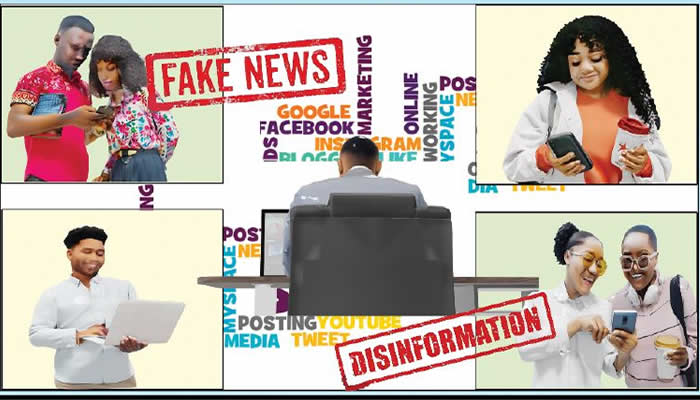
Social media platforms have become the primary breeding ground for misinformation, with false news spreading 70% faster than accurate information, according to a groundbreaking MIT study. This alarming trend has significant real-world consequences, particularly evident during the COVID-19 pandemic.
The mechanics of misinformation are both simple and complex. On platforms like Facebook, Instagram, and Twitter, anyone can disseminate false information without verification requirements, making accountability nearly impossible. The MIT research, published in 2018, revealed that humans—not automated bots—are primarily responsible for spreading falsehoods. Researchers developed the “novelty hypothesis” to explain this phenomenon: false information often appears more novel, and users gain social capital by being first to share seemingly new information.
Once false information goes viral, corrective measures face an uphill battle. Fact-checking rarely reaches the same audience with the same impact as the original misinformation. For many users, verifying information requires time, effort, and sometimes specialized knowledge that most casual browsers simply don’t invest.
The COVID-19 pandemic has demonstrated the dangerous real-world consequences of misinformation. Anti-vaccine narratives proliferated across social media platforms, leading to widespread vaccine hesitancy and even violent protests. In the UK, anti-vaccine demonstrations occurred at the Medicines and Healthcare Products Regulatory Agency in Canary Wharf and turned violent in Milton Keynes, where protesters invaded an NHS test and trace center.
Health statistics underscore the deadly impact of vaccine misinformation. According to the Intensive Care National Audit and Research Centre, approximately 61% of COVID patients admitted to critical care units in December 2021 were unvaccinated. The Office for National Statistics reported significantly higher death rates among unvaccinated individuals between January and September 2021.
Meta (formerly Facebook) has faced intense scrutiny for its role in amplifying false information. The Facebook Papers, released in October 2021, revealed that the company’s algorithm actively promoted content containing misinformation. Despite awareness of COVID-19 misinformation spreading on its platforms, Facebook allegedly took insufficient action to curb it. This prompted U.S. Senate inquiries, with CEO Mark Zuckerberg defending his company by claiming the leaked documents were selectively used to paint a “false picture.”
Current UK legislation provides limited protection against misinformation. The Defamation Act 2013 only addresses false statements that damage reputation. The Communications Act 2003 and Malicious Communications Act 1988 only cover offensive misinformation or content intended to cause distress. These legal frameworks leave significant gaps, as many types of harmful misinformation fall outside these parameters.
Legal challenges in combating misinformation extend beyond definitional issues. Determining liability—whether to prosecute original creators or those who carelessly reshare false content—presents significant obstacles. Additionally, defamation proceedings are prohibitively expensive for most people, and many who create misinformation remain untraceable.
A potentially more effective approach may be holding social media platforms accountable rather than targeting individual users. This strategy is gaining traction in Europe, evidenced by a 2021 French lawsuit against Facebook regarding pandemic misinformation and hate speech. In response to mounting pressure, platforms like Facebook and Instagram have implemented features such as information banners linking to authoritative sources like the World Health Organization.
The UK’s proposed Online Safety Bill represents progress in this direction. The legislation aims to make tech giants liable for content on their platforms, incentivizing better monitoring and prevention of misinformation. However, organizations like the Adam Smith Institute have raised concerns about potential threats to free speech, privacy, and innovation.
While legislation alone cannot completely eliminate misinformation, holding social media companies accountable for content moderation offers a promising pathway toward mitigating its spread and impact.
Fact Checker
Verify the accuracy of this article using The Disinformation Commission analysis and real-time sources.

12 Comments
I’m curious to see what legal and regulatory approaches might be effective in addressing this challenge. Holding platforms more accountable could be one avenue, but it’s a delicate balance between free speech and content moderation.
This is a concerning trend. Misinformation on social media can have real-world consequences, as we saw with COVID-19. Accountability and fact-checking will be critical to combat the spread of false narratives.
This is a complex issue with no easy solutions. But the stakes are high, so it’s critical that we find ways to foster a more truthful and trustworthy online information ecosystem, especially for vital industries like mining and energy.
This is an important topic that deserves more attention. The legal implications of misinformation are complex, but platforms and policymakers need to find ways to better protect the public from the damaging effects of false narratives online.
The novelty hypothesis is an interesting take on why misinformation spreads so quickly. People do seem drawn to novel or sensational information, even if it’s not accurate. Platforms need better tools to verify content and limit the reach of falsehoods.
Agreed. The responsibility shouldn’t just fall on users to verify everything they see. Platforms need to take a more proactive role in identifying and suppressing misinformation before it goes viral.
Misinformation can be especially problematic in specialized domains like mining, energy, and commodities. Investors and industry participants need access to reliable, fact-based information to make informed decisions. Improving information quality should be a priority.
That’s a good point. Misinformation in these technical sectors could lead to bad investments or even safety issues. Robust fact-checking and content moderation will be crucial to maintaining trust and transparency.
The role of social media in amplifying misinformation is undeniable. Regulators and policymakers will need to get creative in developing new frameworks to address this challenge, while still preserving the benefits of open online discourse.
Fact-checking and debunking efforts are important, but they often struggle to match the speed and scale of misinformation. We need a more holistic approach that tackles the root causes and incentives behind the spread of false narratives.
The COVID-19 example highlights how quickly misinformation can spread and undermine public health efforts. We need to find ways to empower users to think critically about online content and sources.
Agreed. Educating the public on media literacy and verification techniques could go a long way in combating the spread of misinformation. Platforms should also invest more in these kinds of user-focused initiatives.