


Listen to the article
Bangladesh’s 13th parliamentary elections were marred by an unprecedented wave of digital disinformation as political actors flooded social media platforms with false information designed to confuse voters and undermine electoral integrity.
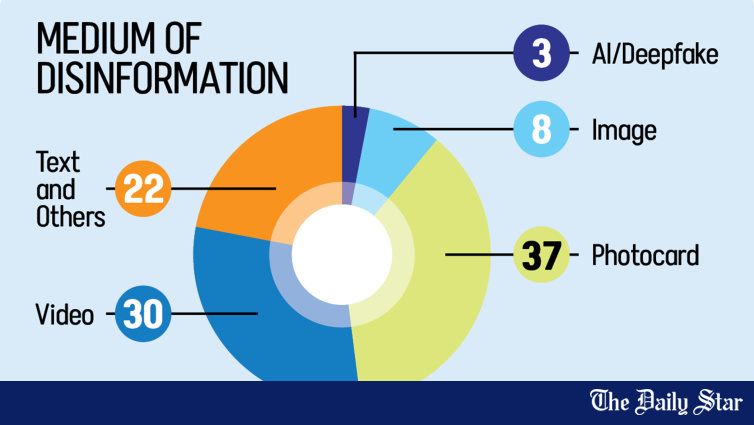
The disinformation campaign intensified dramatically hours before voting began and continued throughout election day. The Daily Star documented 100 separate instances of false information spread across Facebook and Telegram from 8:00pm on February 11 through the close of voting at 4:30pm the following day.
Groups aligned with Jamaat-e-Islami were responsible for approximately 65 percent of the documented disinformation, followed by Awami League-affiliated actors at 21 percent, Bangladesh Nationalist Party (BNP) supporters at 7 percent, and National Citizen Party-aligned users accounting for 3 percent.
The tactics employed were sophisticated and varied. Perpetrators circulated fabricated news photocards mimicking legitimate media outlets, distributed AI-generated deepfakes, and resurfaced old content (“zombie content”) to create a false impression of current events. Many false posts were designed to create panic by claiming the election had been cancelled or that candidates had withdrawn.
“This category of disinformation is among the most harmful,” said Miraj Ahmed Chowdhury, who leads fact-checking organization Dismislab. His organization debunked numerous instances of false claims about candidate withdrawals, including photocards fabricated to look like they came from reputable news sources such as Prothom Alo, Inqilab, Jugantor, Amar Desh, and Jamuna Television.
False reports of violence represented another significant category of disinformation. Pro-Jamaat entities distributed at least 43 pieces of disinformation specifically targeting the BNP, primarily accusing them of criminal activity and violence. A common tactic involved sharing old news stories as if they were current events.
For example, a pro-Jamaat Telegram group called Basherkella shared a photo claiming “Chhatra Dal and Jubo Dal leaders were arrested with arms by the army in Feni.” Fact-checkers determined the image actually showed an unrelated weapons seizure from September 2024. Similarly, old rape allegations against student political leaders from 2021 and 2025 were recirculated as though they had just occurred.
“Disinformation about violence taking place before the elections is a method of voter suppression, to dissuade voters from showing up,” explained Miraj Ahmed.
Pro-BNP entities employed similar tactics, spreading their own false claims about weapons seizures from Jamaat leaders and fabricated reports of political violence. In one instance, a post falsely claimed a Jubo Dal member had died in an attack by supporters of National Citizen Party leader Abdul Hannan Masud, a report local journalists confirmed was untrue.
Professor Din Md Sumon Rahman, Head of Media Studies and Journalism at the University of Liberal Arts Bangladesh and founder of Factwatch, described such false death reports as “most harmful,” noting that “claims of deaths can seriously harm the quality of the election, especially when candidates themselves are also sharing these posts.”
The campaign also targeted mainstream media outlets. Analysis of 29 Facebook posts from pro-Jamaat entities revealed a coordinated narrative portraying media organizations as biased facilitators of a “media coup” benefiting the BNP. These posts frequently labeled media coverage as “fascism” and gained significant traction when amplified by high-profile social media influencers.
Pro-Awami League accounts primarily spread disinformation alleging ballot stuffing and challenging the election’s legitimacy. Several posts claimed voting had already occurred before polling stations officially opened, with some sharing AI-generated videos purporting to show electoral fraud.
The proliferation of such sophisticated disinformation poses serious challenges to electoral integrity and public trust in democratic processes. As digital tools become more advanced, the ability to create and rapidly spread convincing false information threatens to undermine the factual basis necessary for free and fair elections.
Local fact-checking organizations like Dismislab and Factwatch played a crucial role in countering these narratives, but the volume and sophistication of the disinformation campaign demonstrate the growing challenge facing democratic institutions in Bangladesh and globally.
Fact Checker
Verify the accuracy of this article using The Disinformation Commission analysis and real-time sources.

20 Comments
The use of sophisticated tactics like deepfakes and recycled ‘zombie content’ to sow confusion is particularly alarming. This goes beyond typical partisan spin and into territory that threatens the integrity of the democratic system.
Absolutely, the scale and methods used in this disinformation campaign are very disturbing. Voters need to be vigilant and rely on trusted, non-partisan sources of information.
This report highlights the complex and evolving nature of electoral disinformation. It’s critical that election authorities, media outlets, and the public work together to ensure the integrity of the democratic process.
Well said. Safeguarding free and fair elections requires a comprehensive, multi-stakeholder approach. Vigilance and a commitment to truth-telling are essential.
This is very concerning to see disinformation campaigns targeting Bangladesh’s elections. It’s crucial that voters have access to accurate, unbiased information to make informed choices. Spreading false claims undermines the democratic process.
I agree, this type of coordinated disinformation is extremely troubling. Voters deserve to participate in free and fair elections without manipulation or confusion.
The use of AI-generated deepfakes to spread false information is particularly concerning. This technology could become a growing threat to electoral integrity if left unchecked. Robust safeguards are needed to address this emerging challenge.
Agreed. Deepfakes represent a concerning new frontier in the disinformation landscape. Investing in detection tools and public awareness campaigns will be critical to staying ahead of these evolving tactics.
This is a troubling example of how political actors can weaponize social media to undermine public trust. Restoring faith in the integrity of elections should be a top priority for Bangladesh’s government and civil society.
Absolutely. Decisive action is needed to hold perpetrators accountable and implement measures to prevent similar disinformation campaigns from occurring in the future. The health of Bangladesh’s democracy is at stake.
The use of social media platforms to rapidly disseminate false information is a growing challenge for democracies worldwide. Robust fact-checking and digital literacy efforts are needed to combat this threat.
Absolutely. Tech companies, government agencies, and civil society groups all have a role to play in identifying and removing coordinated disinformation campaigns.
The sheer scale of this disinformation campaign is staggering. It highlights the need for robust digital literacy programs to help the public identify and resist manipulation attempts, regardless of the source.
Absolutely. Empowering voters with the skills to critically evaluate online content is essential. Combating disinformation requires a sustained, multi-faceted effort involving government, tech companies, and civil society.
The scale and sophistication of this disinformation campaign is alarming. It speaks to the need for robust media literacy initiatives to help the public identify and reject false or misleading information.
Agreed. Empowering citizens to think critically about online content is key to combating the spread of disinformation. Fact-checking and source verification should be a core part of the democratic process.
It’s disheartening to see political actors from across the spectrum engaging in these deceptive tactics. Undermining public trust in the electoral process puts democracy itself at risk. Urgent action is needed to restore integrity and transparency.
Well said. This is a non-partisan issue that should concern all citizens who value democratic norms and institutions. Upholding the principles of free and fair elections must be a top priority.
It’s concerning to see political groups from across the spectrum engaging in these deceptive tactics. An informed, engaged citizenry is essential for a healthy democracy. This kind of manipulation undermines that.
Agreed. All sides should be held accountable for spreading misinformation, regardless of their political affiliations. Transparency and integrity in the electoral process must be priorities.