


Listen to the article
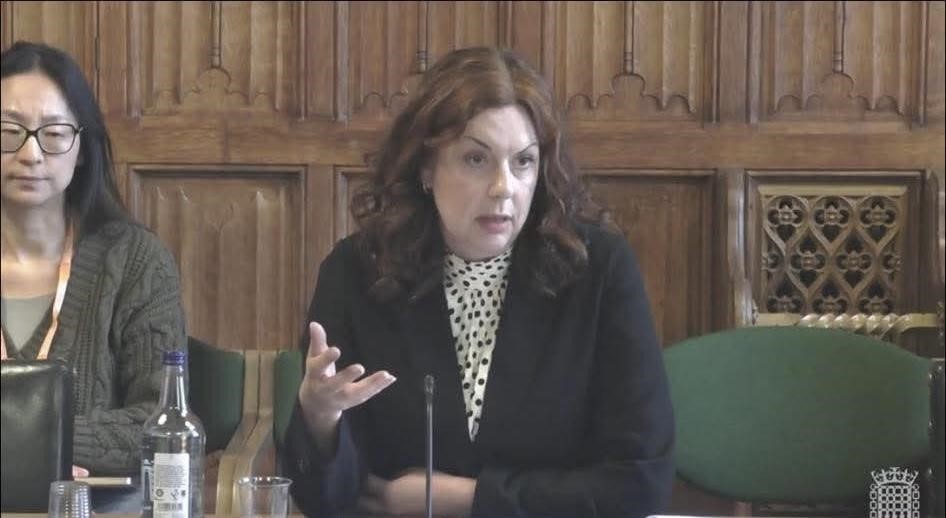
In a significant development for digital policy research, Dr. Karen Middleton from the University of Portsmouth has presented expert testimony to a UK government inquiry investigating social media’s impact on society. The parliamentary committee, which is examining the growing influence of digital platforms, sought Dr. Middleton’s expertise as part of its comprehensive review of social media regulation.
Dr. Middleton, a specialist in digital marketing and consumer behavior at Portsmouth Business School, provided evidence on the psychological effects of social media on users and the ethical implications for platform governance. Her testimony addressed concerns about data privacy, algorithmic transparency, and the potential harm caused by addictive design features commonly employed by major social networks.
“The government needs to consider both the benefits and risks of social media platforms,” Dr. Middleton explained during her testimony. “While these technologies connect communities and provide valuable services, they also raise serious concerns about mental health impacts, particularly among younger users.”
The inquiry comes amid growing public concern over social media’s role in spreading misinformation, enabling cyberbullying, and potentially contributing to increased anxiety and depression among adolescents. Recent studies have linked excessive social media use to negative psychological outcomes, making this investigation particularly timely.
Parliamentary committee members questioned Dr. Middleton extensively on how platforms like Facebook, Instagram, and TikTok design their interfaces to maximize engagement, potentially at the expense of user wellbeing. Her research has highlighted how “persuasive design” techniques can create addictive patterns of usage that may be difficult for users to recognize or control.
“What makes this issue particularly challenging is that many social media features were initially designed to improve user experience, but they can have unintended consequences when optimized solely for engagement metrics,” Dr. Middleton told the committee.
Industry representatives have previously defended their platforms, arguing they provide tools for digital literacy and content moderation. However, critics maintain these measures are insufficient without stronger regulatory oversight.
The UK has been at the forefront of developing new frameworks for digital regulation, with the Online Safety Bill currently making its way through Parliament. This legislation aims to establish a duty of care for platforms toward their users, particularly children and vulnerable groups.
Dr. Middleton’s contribution to the inquiry highlights the University of Portsmouth’s growing reputation as a center for digital ethics research. The university has established several research initiatives focused on the societal implications of technology, bringing together experts from psychology, marketing, computing, and law.
“Universities play a crucial role in providing independent, evidence-based research to inform policy decisions,” said Professor Graham Galbraith, Vice-Chancellor of the University of Portsmouth. “Dr. Middleton’s contribution demonstrates our commitment to research that addresses real-world challenges.”
The parliamentary inquiry is expected to produce recommendations that could significantly influence future legislation on social media governance. These may include new transparency requirements, limits on data collection practices, or mandatory safety features for younger users.
Tech industry analysts are closely watching the proceedings, as UK regulatory decisions often influence approaches in other jurisdictions. The European Union has already implemented the Digital Services Act, which imposes new obligations on large platforms, while the United States continues to debate potential regulatory frameworks.
Dr. Middleton’s research team at Portsmouth will continue studying user interactions with digital platforms, with particular focus on developing ethical guidelines for the next generation of social technologies, including those utilizing artificial intelligence.
The committee is expected to publish its findings later this year, potentially shaping the digital landscape for years to come as governments worldwide grapple with balancing innovation and protection in increasingly online societies.
Fact Checker
Verify the accuracy of this article using The Disinformation Commission analysis and real-time sources.

12 Comments
This inquiry underscores the growing influence of social media and the pressing need for evidence-based regulation. Dr. Middleton’s insights on data privacy and algorithmic transparency are valuable.
Dr. Middleton’s testimony highlights the need for greater transparency and accountability around social media platform practices. The government’s inquiry is a positive step forward.
As a frequent social media user, I’m interested to learn more about Dr. Middleton’s insights on the ethical implications of platform design and data usage. Responsible innovation should be the goal.
Dr. Middleton’s testimony highlights the need for greater transparency and ethical considerations around social media platform design and data usage. Addressing concerns over mental health and privacy is paramount.
I agree, the government inquiry is an important step towards more responsible social media regulation. Platforms must be held accountable for harmful effects on users.
This government inquiry is a timely and necessary response to the growing influence of social media. Expert input will be crucial to developing effective policies that protect user wellbeing.
As someone who uses social media, I’m glad to see the government taking a closer look at these issues. Balancing innovation and societal well-being will be a complex challenge.
Interesting to hear an expert’s perspective on the complex societal impacts of social media. Balancing the benefits and risks will be crucial as policymakers tackle this evolving issue.
It’s encouraging that the UK government is proactively seeking expert input on social media’s influence. Policymakers must stay attuned to evolving research on the impacts of these technologies.
Absolutely. Thoughtful, evidence-based regulation will be crucial to mitigate the potential harms of social media while preserving its benefits.
The psychological effects of social media, particularly on vulnerable users, are an important area of concern that deserves rigorous study. I’m glad to see this issue being examined closely.
The psychological impacts of social media, especially on younger users, are concerning. Comprehensive policies guided by experts like Dr. Middleton will be essential to mitigate these risks.