


Listen to the article
Social Media Page Spreads Dangerous Misinformation During School Bomb Hoax
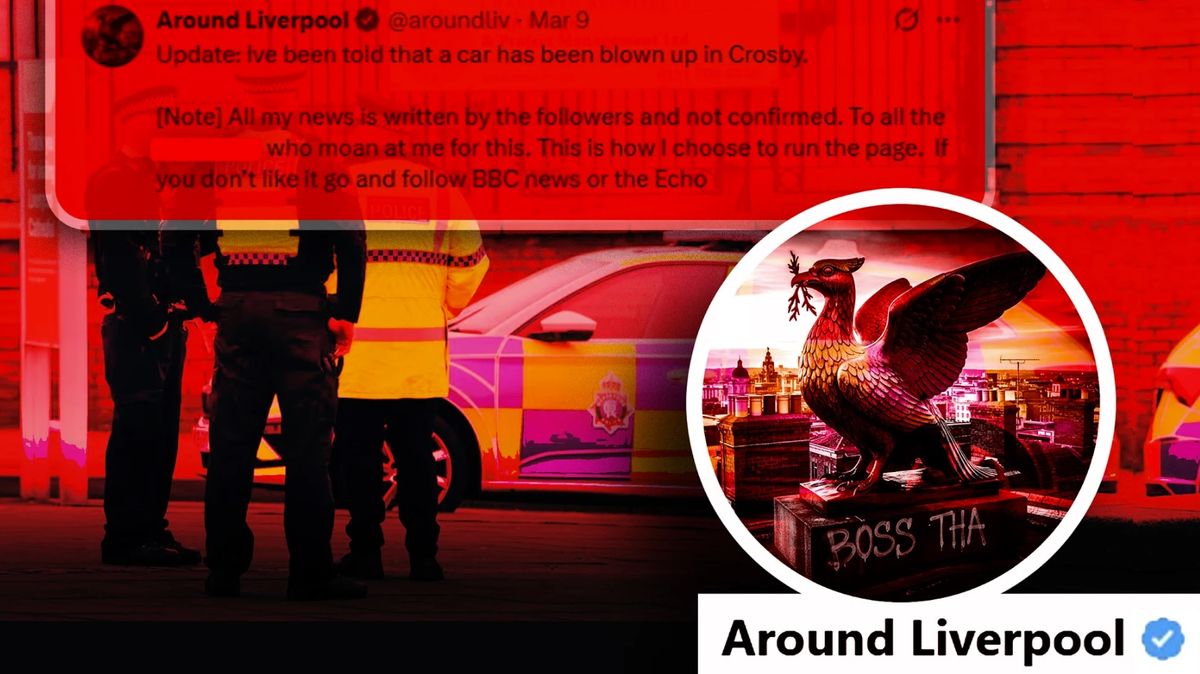
In the midst of terrifying bomb threats that sent Merseyside schools into emergency lockdowns, one popular social media account repeatedly shared false information that heightened parents’ fears and complicated official responses.
The Around Liverpool social media pages, which collectively boast nearly 200,000 followers across various platforms, posted a stream of unverified and ultimately false claims during the March 9 school bomb hoax incident. The account shared videos of an alleged “bomb hoax person being arrested,” voice notes claiming “this is not a drill,” and even footage of an unrelated car fire.
In one particularly alarming post, the account spread false rumors that students from regional schools were planning to stab pupils from other institutions, adding a halfhearted disclaimer that “this could just be internet rumors.”
When confronted by followers about the dangerous misinformation, the account operator responded defiantly: “Even though [I am] not perfect, I still trust the word on the street. If u (sic) don’t like it, f*** off.” In another exchange, he admitted: “I let the followers write the news on this page and as you can see, it’s never 100% accurate.”
Liverpool City Council Mayor Liam Robinson condemned the account’s actions as “immoral and irresponsible” in an interview with the Liverpool Echo. “This is almost the worst kind of schoolyard gossip, isn’t it? Because that schoolyard rumor that would get around 200 people can quite quickly get around 200,000 people on social media,” Robinson noted.
Detective Inspector John Black from Merseyside Police’s digital intelligence unit echoed these concerns, stating that the “far-fetched claims created additional fear for those who were already understandably concerned.” He emphasized that police had clearly communicated that the threats were hoaxes with no risk to staff, children, or the public.
“Whether done maliciously or not, sharing such information on social media or WhatsApp groups can and does have real world consequences, not least in falsely increasing fear throughout our communities, and in jeopardizing sensitive ongoing police investigations,” Black explained.
This isn’t the first time Around Liverpool has spread misinformation. In November, the account falsely claimed that cameras near St. John’s Gardens were “AI CCTV cameras” designed to “record and listen to people’s conversations.” Merseyside Police later confirmed this was untrue, explaining the devices were actually a speaker system linked to Liverpool City Council’s Citywatch team to deter offenders and announce crime prevention advice.
What began as a “daft meme page sharing funny videos” has evolved into something more politically charged. The account operator recently declared he had “switched from left to right” politically and has shared content from controversial figures like Tommy Robinson and Elon Musk. He’s also posted support for far-right commentators and the Restore Britain party.
When approached by the Echo, the account operator defended his practices: “For me truth is always what is most important, so I allow both sides to share their side of the story.” He claimed to include disclaimers noting unconfirmed information but acknowledged his growing influence requires greater responsibility, saying he is “willing to cooperate with the police, council and people like yourselves to make sure what I am doing is both legal and ethical.”
Despite these claims of accountability, all the misleading posts about the school hoax remained published across Around Liverpool’s social media platforms at the time of reporting.
In an apparent response to media scrutiny, the account operator posted on Friday that he plans to sell his social media accounts for approximately £8,000, claiming they attract “30-50 million eyes per month.”
Detective Inspector Black offered important advice to the public: “People should be aware that a social media account with a blue tick does not necessarily mean it is a reliable source of information. Think where this information has come from before you share or ask others to share content you do not know to be true.”
Fact Checker
Verify the accuracy of this article using The Disinformation Commission analysis and real-time sources.

10 Comments
It’s disappointing to see a popular account shift from lighthearted memes to spreading dangerous misinformation. Social media can be a powerful tool, but it requires careful curation and a commitment to factual reporting, especially during crises.
Agreed. This type of behavior undermines the credibility of social media as a reliable source of information. Platforms and users need to do better at verifying claims before amplifying them.
This is a concerning trend. Social media accounts with large followings have a responsibility to verify information before posting, especially on sensitive topics like school threats. Reckless behavior like this can erode public trust.
Exactly. Accountability and ethical practices should be the top priority for influential social media pages, not inflammatory rhetoric or unsubstantiated claims.
The shift from memes to misinformation is a troubling sign. Social media can be a powerful tool, but it requires a commitment to truth and transparency, especially during times of crisis. This account’s behavior undermines public trust and safety.
Well said. Reckless disregard for the impact of unverified claims is inexcusable, especially from an account with such a large following. Responsible social media practices are critical, especially in sensitive situations.
This is an alarming development. Social media accounts with large followings have an ethical obligation to provide accurate, responsible information, not fuel panic and confusion. The operator’s dismissive attitude is deeply concerning.
Absolutely. When social media is used irresponsibly, it can have devastating real-world consequences. Platforms and authorities need to address this issue and hold such accounts accountable.
Spreading unverified claims during a crisis situation is irresponsible and can cause unnecessary panic. Social media accounts should focus on sharing credible information from official sources to help keep the public safe and informed.
I agree, it’s important for social media to be a trusted source of information, especially during emergencies. Spreading rumors and misinformation can have serious consequences.