


Listen to the article
Pakistan’s Interior Minister Claims 90% of Social Media Content is False, Raising Concerns About Free Speech
Pakistan’s Interior Ministry has sparked controversy by claiming that 90% of content shared on social media platforms is false, signaling what critics fear may be a renewed push to tighten control over digital information in the country.
The statement, made during a high-level meeting about cybersecurity and online disinformation, has alarmed digital rights activists who see it as potentially laying groundwork for stricter internet censorship. The ministry has called for enhanced mechanisms to monitor and regulate social media content, citing national security concerns.
“In Pakistan, the line between countering misinformation and constraining dissent has always been a delicate one,” said Fizza Abbas, a Karachi-based digital rights activist. “When officials make sweeping claims about social media falsehoods without providing clear methodology or evidence, it raises serious concerns about the real objectives behind such statements.”
Pakistan has a complicated history with digital rights. The country has previously enacted stringent cybercrime legislation, including the Prevention of Electronic Crimes Act (PECA) of 2016, which critics argue has been used to silence political opposition and limit freedom of expression online rather than solely targeting legitimate cybercrime.
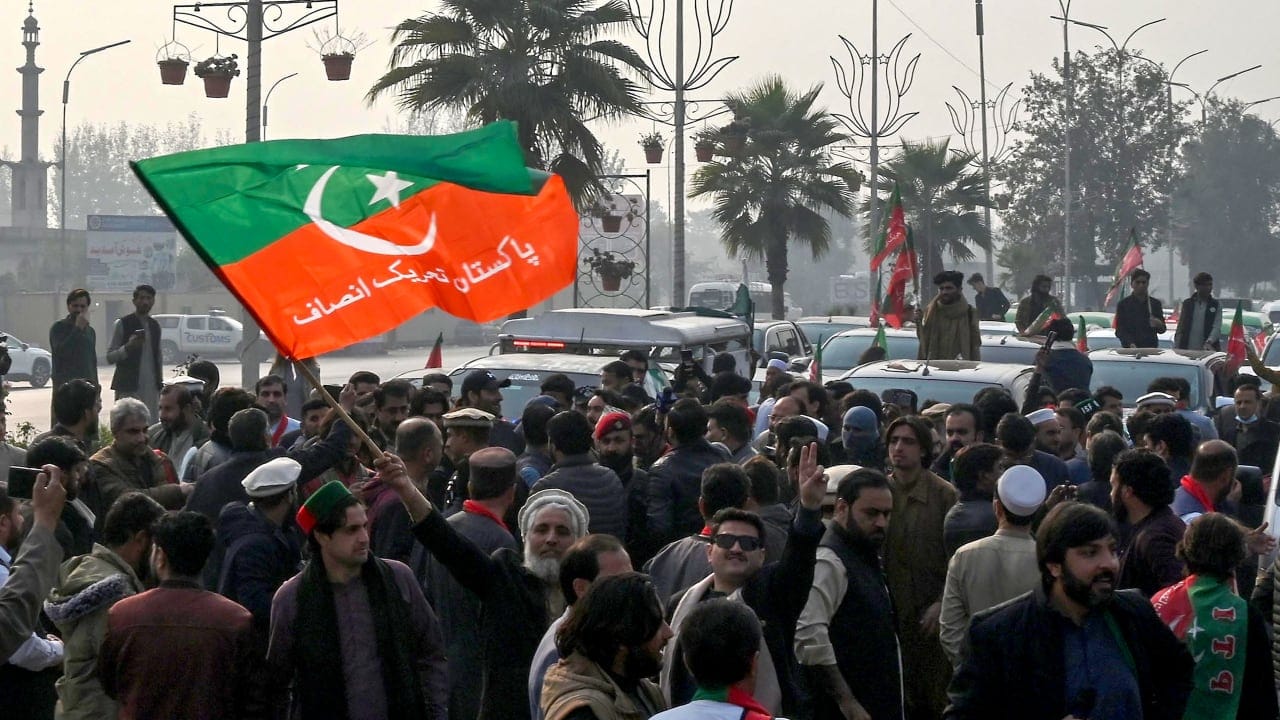
The timing of the statement is particularly significant as it comes amid growing political tensions in the country. Supporters of former Prime Minister Imran Khan, who remains in prison, have been using social media platforms extensively to organize protests and share information that challenges official government narratives.
Media watchdog organizations have documented an increase in internet disruptions, content takedown requests, and intimidation of online journalists in Pakistan over the past two years. According to the Digital Rights Foundation, a Pakistani NGO, the government made over 800 content removal requests to various social media platforms in the last year alone.
International observers have expressed concern about the potential implications. “Claims about widespread misinformation are often used by governments worldwide as justification for implementing broader controls on digital spaces,” said Julian Morris, a representative from the International Press Institute. “The 90% figure is extraordinarily high and would benefit from transparent methodology and independent verification.”
The Pakistani government has defended its position, with a spokesperson stating that increased regulation is necessary to combat the spread of false information that “threatens national cohesion and security.” Officials pointed to instances where social media rumors have led to public unrest and violent incidents.
Some Pakistani technology experts have offered a more nuanced perspective. “There is certainly a misinformation problem on social media in Pakistan, as there is globally,” said Saad Ahmed, a technology policy researcher at a Lahore-based think tank. “However, addressing this requires balanced approaches like media literacy programs and transparent content moderation, not sweeping restrictions that risk silencing legitimate speech.”
Pakistan’s media landscape has already been under significant pressure, with the country ranking 142nd out of 180 countries in the 2025 World Press Freedom Index compiled by Reporters Without Borders. Traditional media outlets face various forms of censorship and economic pressure, pushing many Pakistanis toward social media as an alternative information source.
The government has indicated plans to introduce new regulations specifically targeting social media platforms, requiring them to establish local offices and comply with enhanced content removal procedures.
Digital rights advocates are calling for any new measures to adhere to international human rights standards and include meaningful consultation with civil society organizations. “What Pakistan needs is not more censorship but rather a commitment to fostering an environment where citizens can engage with diverse information sources and develop critical thinking skills,” Abbas added.
As these developments unfold, the tension between combating genuine misinformation and protecting freedom of expression remains at the heart of Pakistan’s evolving digital policy landscape.
Fact Checker
Verify the accuracy of this article using The Disinformation Commission analysis and real-time sources.

7 Comments
This is a complex issue without easy solutions. Social media has amplified the spread of false and misleading content, but censorship isn’t the answer. Fact-checking, media literacy, and fostering a more informed online community seem like better approaches to address misinformation.
Well said. Knee-jerk reactions to crackdown on social media could do more harm than good if not carefully balanced against preserving free expression. A nuanced, evidence-based approach is needed here.
It’s concerning to hear such a high percentage of social media content dismissed as false. While misinformation is certainly a serious issue, we need to be careful that efforts to address it don’t trample on legitimate free speech. Transparency around the methodology used to assess content accuracy would help allay concerns.
I agree. Sweeping claims like this without clear evidence raise red flags. We should be vigilant that efforts to combat misinformation aren’t misused to suppress dissent and critical discourse online.
This is a concerning development that bears close watching. Sweeping claims about the pervasiveness of ‘fake news’ online often mask attempts to restrict free speech and dissent. I hope Pakistan can find ways to address misinformation without resorting to heavy-handed censorship measures.
I’m curious to learn more about the methodology used to determine that 90% of social media content is false. That seems like an incredibly high figure that demands rigorous justification. Responsible regulation of online spaces is important, but we must be wary of overreach that infringes on fundamental rights.
Interesting perspective from the Pakistani Interior Minister, though the 90% figure seems quite extreme. While misinformation is a serious challenge, we should be cautious about using it as a pretext for tightening internet controls. Transparency and balanced solutions are key to addressing this issue effectively.