


Listen to the article
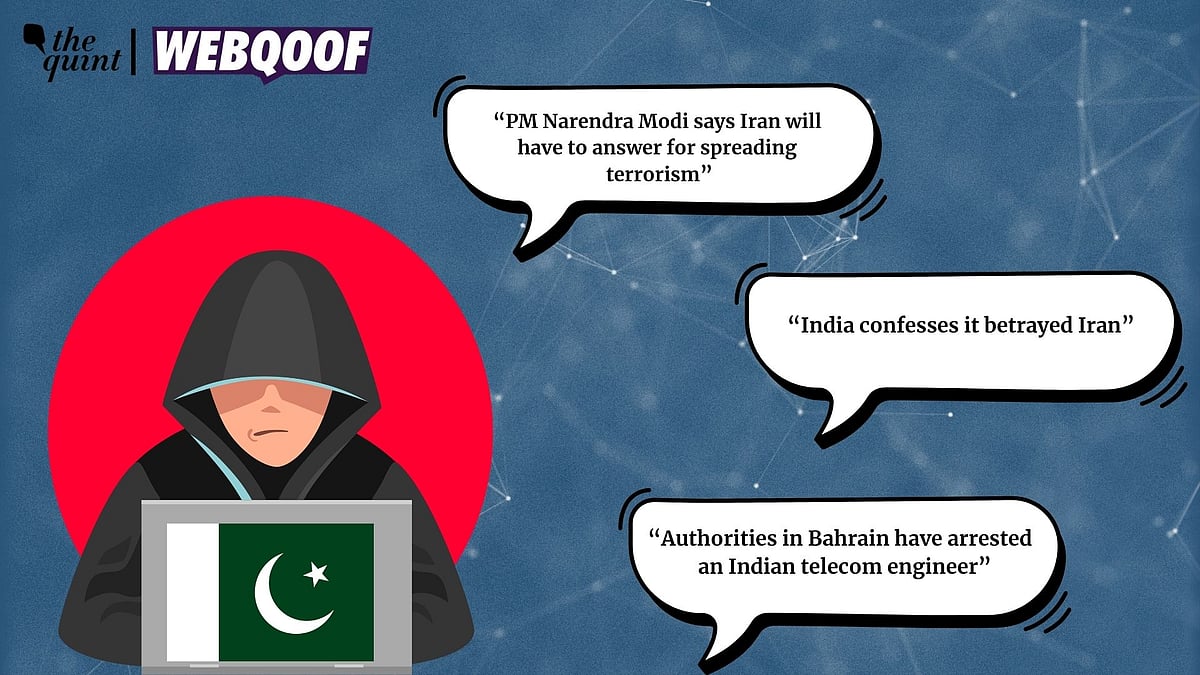
In a concerning development that underscores the evolving nature of digital warfare, users based in Pakistan have launched a coordinated disinformation campaign against India on social media platforms. Despite military tensions between the two nuclear-armed neighbors subsiding in 2025, the digital battlefield remains active and increasingly sophisticated.
“Force the enemy to battle on two fronts…A double-edged attack was always more effective than a single shot,” wrote Dan Brown in his novel “Deception Point.” This strategy aptly describes the approach being employed by both state and non-state actors in Pakistan, who are waging an information war alongside traditional geopolitical tensions.
The campaign appears meticulously designed to create false perceptions about India’s domestic situation. A significant component involves fabricating crises that don’t actually exist within India’s borders. These manufactured emergencies are portrayed through carefully crafted narratives designed to appear credible to casual observers, particularly those outside the region who may lack contextual understanding.
Perhaps more concerning is the deployment of artificial intelligence to generate convincing but entirely fake video content targeting prominent Indian leaders. These deepfakes represent a dangerous evolution in disinformation tactics, as they can be incredibly difficult for average users to identify as fraudulent.
Security analysts monitoring the situation note that these coordinated efforts follow established patterns seen in other disinformation campaigns globally. The strategy typically involves flooding platforms with consistent messaging across multiple accounts, creating the illusion of widespread sentiment or consensus around fabricated events.
The timing of this campaign is particularly significant, coming after the two countries experienced heightened military tensions earlier in 2025. While traditional diplomatic and military channels have successfully de-escalated the physical confrontation, the digital domain has emerged as a persistent arena for continued conflict.
Social media platforms have become the primary battleground for this information warfare, with Twitter, Facebook, and messaging apps like WhatsApp serving as key vectors. The campaign leverages these platforms’ algorithmic amplification and the speed at which content can spread beyond national borders.
Digital security experts point out that such disinformation campaigns serve multiple strategic objectives. They can influence international opinion, sow domestic unrest in target countries, distract from internal issues at home, and potentially influence policy decisions through manufactured public pressure.
“What makes this campaign particularly effective is its two-pronged approach,” explains Dr. Rajeev Sharma, a cybersecurity expert who specializes in South Asian digital threats. “It simultaneously creates false domestic crises that require attention from Indian authorities while undermining the credibility of leadership through manipulated media.”
The implications extend beyond immediate India-Pakistan relations. This pattern of disinformation represents a broader trend in modern conflict, where information operations complement or even replace traditional military confrontations. Similar tactics have been observed in various geopolitical flashpoints around the world, from Eastern Europe to the South China Sea.
For average citizens, these campaigns create a challenging media environment where distinguishing fact from fiction requires increasing vigilance and media literacy. The sophisticated nature of AI-generated content makes this particularly difficult, even for those consciously attempting to verify information.
Indian government officials have acknowledged the campaign, with the Ministry of External Affairs issuing statements urging social media platforms to take more aggressive action against coordinated inauthentic behavior. Several fact-checking organizations have also mobilized resources to identify and debunk the most prominent false narratives.
Addressing these patterns requires a multifaceted approach. Social media platforms face mounting pressure to improve detection and removal of synthetic media while preserving legitimate political discourse. Government agencies are expanding digital literacy programs, and international cooperation on establishing norms for information warfare continues to develop, albeit slowly.
As tensions between India and Pakistan continue to play out in this digital domain, the episode highlights how modern conflicts increasingly transcend traditional boundaries, creating new challenges for security, diplomacy, and public information ecosystems.
Fact Checker
Verify the accuracy of this article using The Disinformation Commission analysis and real-time sources.
