


Listen to the article
Anti-Fraud Communicators Strengthen Cross-Border Cooperation at Brussels Meeting
Over 50 anti-fraud communication experts from across Europe gathered in Brussels last week for a two-day strategy session focused on combating financial crime through more effective public messaging. The annual meeting of the OLAF Anti-Fraud Communicators Network (OAFCN) brought together representatives from 22 EU Member States alongside officials from key European enforcement bodies.
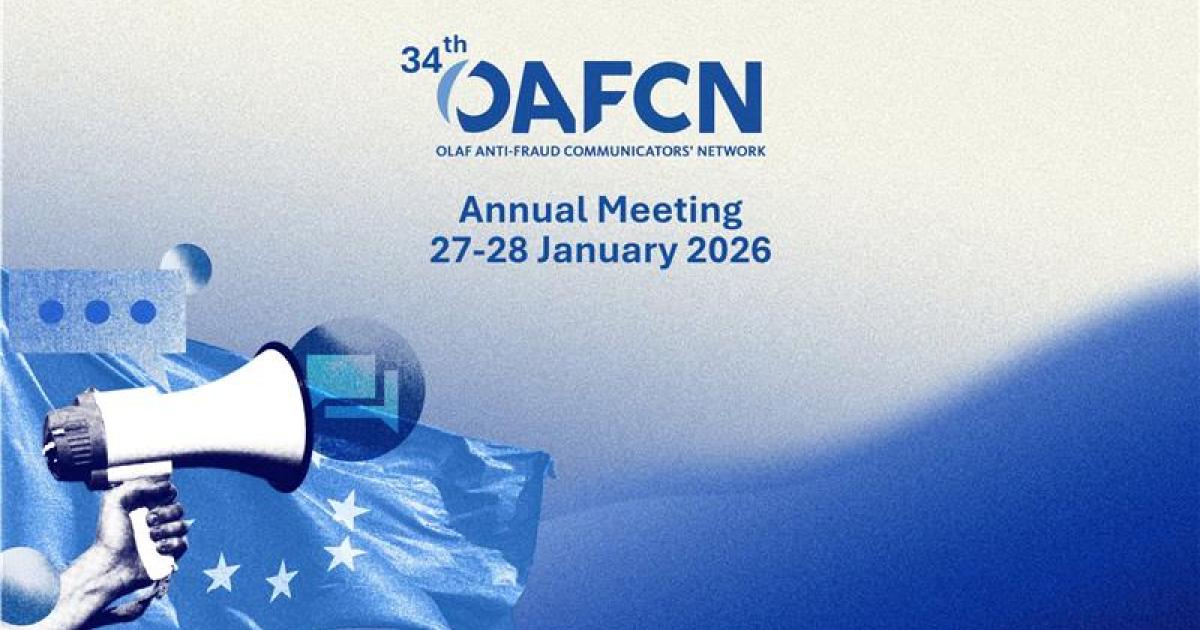
The January 27-28 event, organized by the European Anti-Fraud Office (OLAF), emphasized cross-border collaboration and innovative approaches to inform the public about fraud prevention efforts. This year’s agenda specifically targeted the challenges posed by social media disinformation campaigns and the need for coordinated messaging across national boundaries.
“Fraud does not stop at national borders, and neither should our communication,” said OLAF’s acting Director-General Salla Saastamoinen during her opening remarks. “By working together and reinforcing each other’s messages, we strengthen citizens’ trust and send a clear signal that the protection of the EU’s financial interests is a shared responsibility.”
The OAFCN, established in 2001, has evolved into a critical platform for communication professionals working within national authorities charged with protecting EU financial interests. The network facilitates knowledge exchange on tactics, tools, and lessons learned from previous campaigns, helping ensure consistent messaging about anti-fraud activities reaches citizens across the continent.
The meeting’s timing holds particular significance as the European Union conducts an ongoing review of its anti-fraud architecture, with communication strategy playing an increasingly important role in overall enforcement effectiveness. Participants engaged in both theoretical discussions about strategic cooperation and practical case studies demonstrating successful implementation.
Representatives from the European Public Prosecutor’s Office, Europol, Eurojust, and the European Commission joined the discussions, highlighting the interconnected nature of Europe’s fraud prevention ecosystem. This multi-agency approach reflects the complex, transnational nature of modern financial crimes, which often span multiple jurisdictions and require coordinated responses.
Sessions explored the rapidly changing social media environment, where concise video content and compelling storytelling techniques have become essential for making complex financial fraud concepts accessible to general audiences. Participants examined successful narrative-building methods that simplify technical concepts without sacrificing accuracy or credibility.
The proliferation of disinformation emerged as a central concern during the meeting. Communication professionals shared strategies for countering false narratives about EU finances, including youth-focused educational initiatives and rapid-response protocols for addressing misinformation. Discussions emphasized that proactive communication serves as both a deterrent to would-be fraudsters and a way to build public confidence in EU financial governance.
Crisis communication protocols received particular attention, with members exchanging experiences about effective messaging during high-profile fraud investigations. The tension between transparency demands and operational security requirements remains a persistent challenge for communicators in this specialized field.
Several presentations highlighted successful cross-border campaigns where coordinated messaging across multiple countries amplified reach and impact. These case studies demonstrated how synchronized communications from different national authorities can reinforce key messages while respecting local contexts.
The meeting concluded with forward-looking discussions about the OAFCN’s continued evolution. Members explored how the network can remain adaptive to emerging communication challenges while providing consistent support to fraud prevention communicators working at both national and EU levels.
As financial crimes grow increasingly sophisticated and technology-enabled, the role of strategic communication in fraud prevention continues to expand. The Brussels meeting underscored that effective public messaging isn’t merely about reporting enforcement successes but serves as an integral component of Europe’s comprehensive approach to protecting its financial interests.
Fact Checker
Verify the accuracy of this article using The Disinformation Commission analysis and real-time sources.

11 Comments
It’s good to see OLAF taking a proactive approach to address the growing problem of disinformation. Sharing best practices and aligning messaging across the EU should yield positive results.
Sounds like an important meeting to strengthen cooperation in combating fraud and disinformation across the EU. Cross-border collaboration is key to effectively protect citizens and financial interests.
Protecting the EU’s financial interests is a critical and complex challenge. This OLAF meeting seems like a step in the right direction to enhance coordination and information-sharing on fraud prevention.
The emphasis on fraud prevention and public education is encouraging. Disinformation campaigns pose a real threat, so I’m hopeful this meeting will lead to more effective communication initiatives.
Agreed. Strengthening cross-border cooperation is essential to combat financial crimes that transcend national boundaries.
Glad to see the OLAF network tackling the challenges of social media disinformation. Coordinated messaging across national borders is crucial to build public trust and awareness.
Absolutely. Fraud has no borders, so the response can’t either. Kudos to OLAF for bringing together experts to develop innovative strategies.
Kudos to OLAF for convening this important meeting. Strengthening cross-border cooperation and public education on fraud prevention is essential to protect the EU’s financial interests.
Tackling fraud and disinformation requires a multi-faceted approach. This OLAF meeting looks like a valuable opportunity to share knowledge and identify innovative solutions to these persistent challenges.
Fraud and disinformation undermine public trust, so I’m encouraged to see the OLAF network working to develop more effective communication strategies. Consistent messaging across the EU is key.
Absolutely. By aligning their efforts, the OLAF network can leverage their collective expertise and resources to better inform and empower citizens.