


Listen to the article
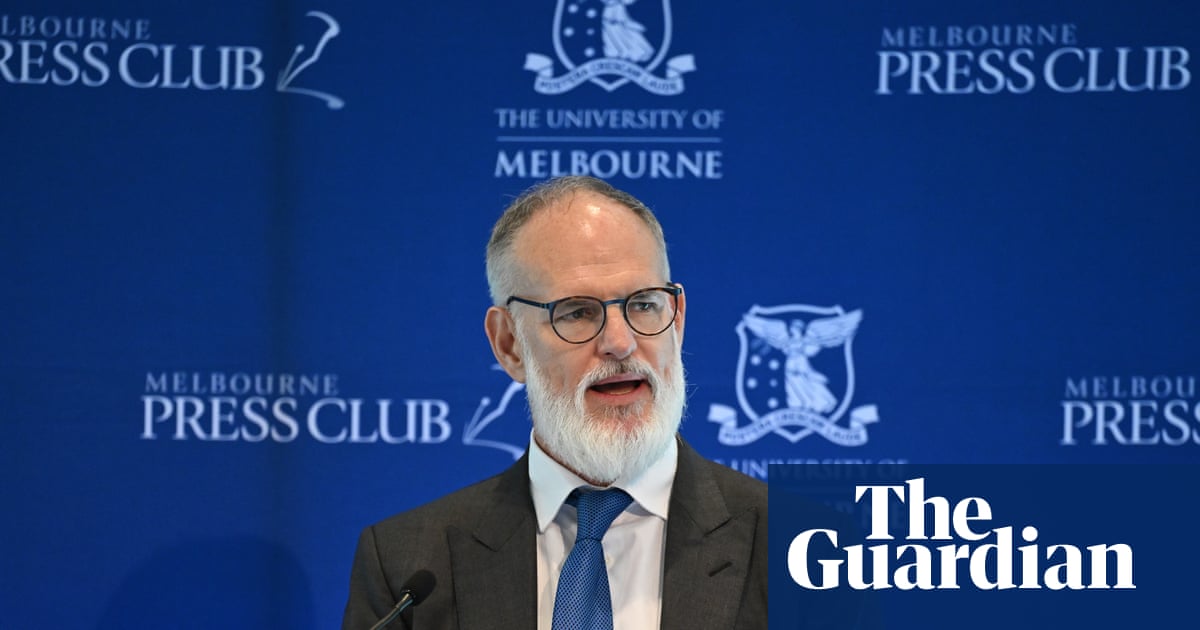
In a forceful address to the Melbourne Press Club on Wednesday, News Corp Australia’s executive chair Michael Miller launched a scathing critique of social media platforms, accusing them of damaging social cohesion globally while exploiting media content without compensation.
Miller didn’t mince words, describing social media platforms as “the true monsters at our gates” that “do nothing more than tear and fray the social fabric.” He pointed to their role in spreading misinformation and disinformation, creating digital echo chambers that isolate users from diverse perspectives.
“I don’t think the masses are being radicalised, but I do feel that there are individuals that get consumed by single message rather than breadth of message,” Miller said. “I think the role of media is increasingly as a group to ensure that people are informed and it’s based on fact.”
The News Corp Australia chief highlighted what he sees as a stark double standard in regulatory treatment between traditional telecommunications companies and tech giants. Citing the recent regulatory response to Optus’s triple zero outage in September, Miller questioned why social media companies face less scrutiny despite potentially graver consequences.
“Where is the same level of accountability being demanded for social media companies whose algorithms torment our children, prey on the elderly and are responsible for the rise of self-harm and also loss of life?” he asked. “How can there be one set of rules for a company like Optus, while the tech companies just refuse our rules?”
Miller’s comments come amid growing global concern about social media’s impact on mental health, particularly among young people. His remarks specifically endorsed Australia’s upcoming ban on social media for those under 16, which is set to take effect on December 10—a measure News Corp had campaigned for.
Beyond social media, Miller turned his attention to another front in media’s battle with tech companies: artificial intelligence. He urged the Australian government to reject lobbying efforts by tech companies seeking a text and data mining exemption in copyright law, which would allow AI companies to train on copyrighted work without compensating content creators.
The tech industry has been pushing for such an exemption through the Productivity Commission, arguing it would attract substantial investment in Australian data centers. Miller dismissed this claim as “without foundation and without evidence,” characterizing the proposed exemption as legislation that would “legitimise theft.”
“How is it that the tech lobby has put so little effort into quantifying the benefits to back their claim when the cost they are seeking to impose on us is so high and so quantifiable?” Miller asked.
Miller described this as the second “big steal” by tech companies—the first being the shift of advertising revenue from news media to social platforms. The ongoing battle over content rights represents an existential threat to media organizations, he suggested, calling for a more united industry front.
“I think we’ve all got 90% of what we do is in common…but too often we point out our differences to the detriment of our own reputations,” Miller said. “And we look like an industry divided rather than one which is cohesive and understand that we do have a common issue which is fundamental to our survival as an industry.”
When questioned about potential retaliatory action from a Trump administration in defense of American tech companies, Miller maintained that the issue was straightforward: “Foreign companies operating in the US are expected to abide by US law, and companies operating in Australia are expected to abide by Australian law. I don’t think it’s any more complicated than that.”
The comments reflect escalating tensions between traditional media organizations and technology platforms globally, as news outlets continue to grapple with declining revenue models while tech giants profit from content they don’t produce. Australia’s news media bargaining code, introduced in 2021, has been one attempt to address this imbalance, requiring platforms to negotiate payment deals with publishers for content.
Fact Checker
Verify the accuracy of this article using The Disinformation Commission analysis and real-time sources.

5 Comments
The characterization of social media platforms as ‘true monsters’ that ‘torment children’ is quite strong. While the concerns raised are valid, the language used seems hyperbolic. A more measured, fact-based approach may be more effective.
I agree with the chair’s concerns about social media platforms exploiting content without compensation and creating echo chambers that isolate users. Ensuring a diversity of perspectives and fact-based information is crucial in today’s digital landscape.
Yes, the double standard in regulatory treatment of tech giants versus traditional telecoms is concerning. Social media platforms should face the same level of scrutiny and accountability.
Social media platforms can certainly be damaging, as the News Corp Australia chair has pointed out. They need to be held accountable for the harms they can cause, especially to vulnerable users like children. Responsible regulation is key.
It’s an interesting perspective from the News Corp Australia chair. While social media does have significant downsides, labeling the platforms as ‘monsters’ feels emotive. A balanced, nuanced discussion of the issues and potential solutions would be more constructive.