


Listen to the article
Why are children being taught media literacy skills?
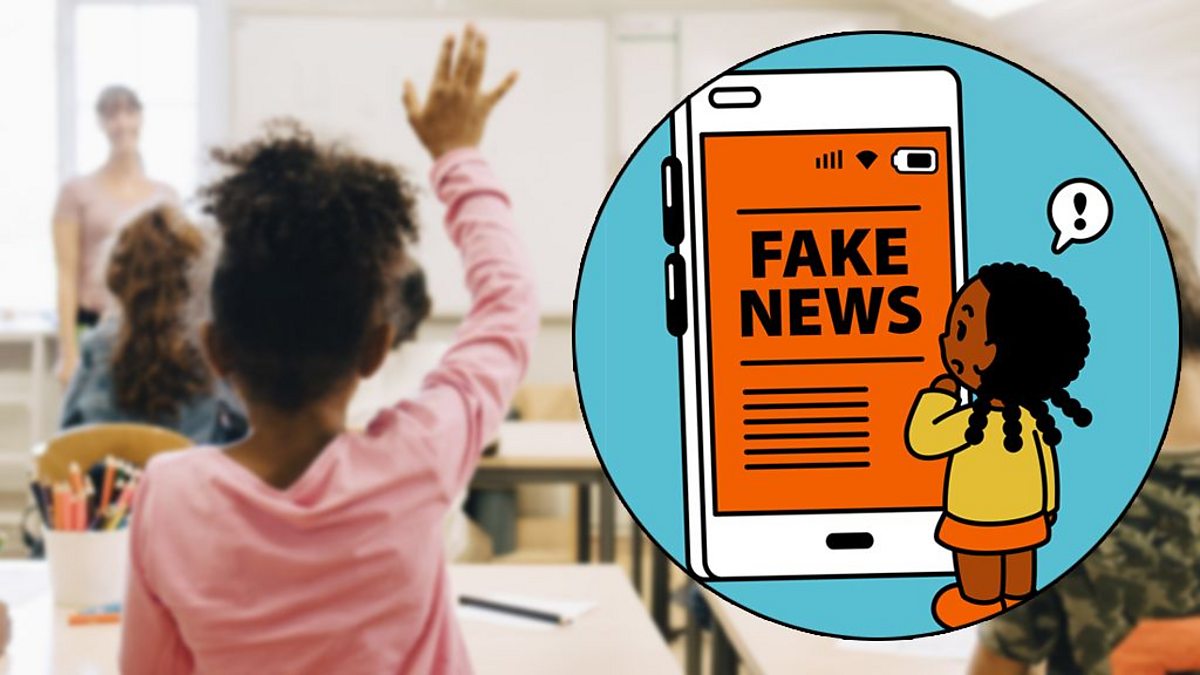
In an increasingly digital world where screen time continues to rise, educational authorities are integrating media literacy into school curricula to equip young people with essential critical thinking skills. The initiative comes amid growing concerns about online safety and the proliferation of misinformation that can particularly impact impressionable minds.
Digital environments present unique challenges for today’s youth, who often navigate complex online spaces before developing the ability to distinguish credible information from falsehoods. The widespread problem of digital misinformation has prompted educators and policymakers to take action, recognizing that traditional educational approaches need updating for the digital age.
“These lessons are designed to give children the analytical tools they need to identify misleading content and process information critically,” explains Dr. Emma Harris, an educational psychologist specializing in digital literacy. “The goal isn’t to restrict their online access but to empower them to engage with digital content responsibly.”
The media literacy component represents just one aspect of expanded citizenship education announced by the government on November 4. The comprehensive program will also cover financial literacy, legal awareness, democratic processes, governmental structures, and climate education—reflecting a broader commitment to preparing students for the complexities of modern citizenship.
Educational technology expert James Bennett notes that the timing of these changes is significant. “We’re seeing record levels of online engagement among children as young as eight or nine. Without proper guidance, they’re vulnerable to manipulation through algorithms and targeted content that can shape their worldview in problematic ways.”
Research from the Oxford Internet Institute indicates that children who receive formal media literacy training demonstrate substantially improved abilities to identify sponsored content, recognize political bias, and question sources—skills that many adults still struggle with in today’s information ecosystem.
The curriculum changes represent a response to mounting evidence that digital misinformation can have real-world consequences. A recent study from Cambridge University found that teenagers exposed to unchecked online content showed measurable shifts in attitudes toward scientific consensus on issues ranging from vaccination to climate change.
Industry observers point out that the move comes as social media platforms face increasing scrutiny over their impact on young users. “These educational initiatives essentially acknowledge that tech companies aren’t doing enough to create safe digital environments,” says Maya Richardson, director of the Center for Digital Ethics. “Schools are stepping in to fill a critical gap.”
Parents have generally responded positively to the news. Sarah Johnson, whose 12-year-old daughter attends a school piloting the new curriculum, said: “My daughter is already more skeptical about what she sees online. She’s asking questions about who created content and why, which is exactly what we want to see.”
The broader citizenship education program reflects recognition that young people need comprehensive preparation for civic participation. Financial literacy components will teach budgeting and consumer rights, while legal and governmental sections aim to demystify how democracy functions—knowledge gaps that have been identified in numerous studies of young adults.
Educational authorities emphasize that these skills represent core competencies for the 21st century. “Media literacy isn’t an optional extra anymore—it’s as fundamental as reading comprehension,” says Education Minister Caroline Foster. “We’re preparing students not just for exams, but for life in a world where information literacy directly impacts their ability to make good decisions.”
As the program rolls out nationally, educators will be watching closely to measure its effectiveness in cultivating more discerning digital citizens. The initiative represents one of the most significant curriculum updates in recent years, acknowledging that education must evolve alongside the rapidly changing information landscape that today’s children will navigate throughout their lives.
Fact Checker
Verify the accuracy of this article using The Disinformation Commission analysis and real-time sources.

10 Comments
I’m encouraged to see schools taking proactive steps to address digital safety and media literacy. Preparing kids to navigate complex online environments from an early age is essential. This lays important groundwork for future digital citizens.
Media literacy education in primary schools is a promising development. Cultivating critical thinking skills around online content is key given the prevalence of misinformation. Empowering young minds in this way is a thoughtful approach.
Media literacy education in primary schools is an encouraging development. Empowering young minds to think critically about online content is key, given the prevalence of misinformation. This lays a strong foundation for responsible digital citizenship.
Incorporating media literacy into the curriculum is a smart move. Giving children the analytical tools to discern credible information from falsehoods online is increasingly important. This approach aims to empower rather than restrict digital access – a thoughtful balance.
Agreed, the focus on empowerment over restriction is key. Equipping kids with critical thinking skills will serve them well as they navigate the digital landscape.
I’m glad to see schools taking proactive steps to address digital safety and media literacy. Preparing kids to navigate complex online environments is essential. Fostering those skills now will serve them well as they come of age in the digital world.
Teaching media literacy in primary schools is a wise investment. Helping young people develop the ability to identify misleading content is crucial in our information-saturated world. This approach seems well-designed to foster digital literacy and citizenship.
Incorporating media literacy into the curriculum is a smart move. Giving children the analytical tools to discern credible information from falsehoods online is increasingly important. This initiative aims to empower responsible digital engagement, which is commendable.
Teaching media literacy in primary schools is a wise investment. Helping young people develop the ability to identify misleading content is crucial in our information-saturated world. This initiative seems well-designed to foster responsible digital engagement.
Interesting initiative to equip young people with digital media literacy skills. Crucial in today’s information landscape where misinformation can spread rapidly online. Building critical thinking abilities at an early age seems like a wise investment in the future.