


Listen to the article
In a pioneering effort to expose the harsh realities of gendered disinformation in rural India, the Association for Progressive Communications (APC) has partnered with Chambal Media to document and counteract the growing problem affecting women and gender-diverse individuals across the country.
The collaboration, titled “Unpacking gendered disinformation in India: Deepening understanding and exploring countermeasures,” aims to build evidence-based knowledge about the causes, trends, and impacts of online disinformation targeting marginalized communities, while exploring potential remedies.
Earlier this year, APC’s feminist platform GenderIT.org published a series of articles highlighting various manifestations of the issue. The reporting exposed how online misinformation exploits the financial vulnerability of LBQT+ communities in India, who are often excluded from formal banking and welfare systems, making them susceptible to unsafe digital loans and scams.
Other investigations revealed how sexual health misinformation flourishes when social media algorithms prioritize emotionally charged content over factual information, and how Dalit and feminist content creators face targeted harassment when speaking up on platforms like Instagram. Muslim women have been similarly subjected to hate campaigns and digital violence through coordinated disinformation efforts.
“What we’re seeing is a dangerous intersection of existing social discrimination and new digital technologies,” explained an expert familiar with the project. “These aren’t just online problems—they have real-world consequences for women’s safety, livelihoods, and ability to participate in public discourse.”
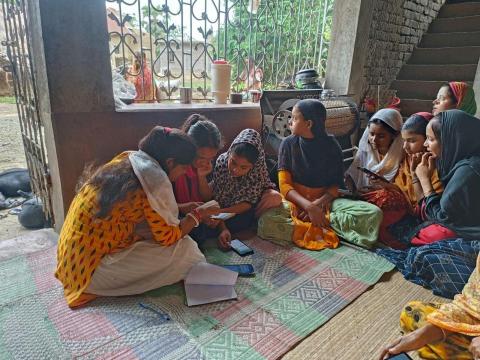
The initiative comes at a critical time as internet access expands rapidly across rural India. According to Srishti, business development lead at Chambal Media and editor of KL Hatke, most conversations about gendered disinformation have previously centered on urban experiences, overlooking the unique challenges faced in rural communities.
“Digital literacy remains low in rural areas, and social norms often restrict women’s ability to own and operate smartphones,” Srishti noted. “When women who are new to the internet face harassment or disinformation campaigns, they typically shut down their accounts due to family pressure or safety concerns, effectively pushing them offline before they can fully explore their digital rights.”
Sejal, a staff writer and journalist at Khabar Lahariya, emphasized that the consequences of gendered disinformation extend far beyond the digital realm in rural contexts. “In tightly-knit rural communities, reputation directly impacts livelihood and personal safety. When women face smear campaigns or manipulated images online, it can lead to social isolation, loss of work opportunities, and even physical danger.”
Khabar Lahariya brings particular credibility to this project as an award-winning, independent news outlet with an all-women team that is Dalit-led but also includes Muslim, OBC, and upper-caste journalists doing groundbreaking rural reporting.
The partnership will produce a four-part multimedia series distributed across social platforms like Instagram and LinkedIn. The content will examine why gendered disinformation spreads, how platforms can be held accountable, and what systemic changes are needed to address the problem.
“This collaboration represents a unique opportunity to bridge grassroots experiences with broader research on disinformation,” Srishti explained. “We’re bringing together the authentic perspectives of rural women navigating the internet with insights from researchers and experts studying these phenomena.”
The series aims not only to document the harm caused by gendered disinformation but also to spark conversations about potential solutions and support systems. For many in the target audience, this may be their first introduction to the concept of gendered disinformation and its various manifestations.
“Our goal is to make digital spaces more inclusive for women everywhere, especially those on the margins,” said Sejal. “This isn’t just about awareness—it’s about creating pathways to safety and accountability.”
The multimedia content will be published on Khabar Lahariya’s digital platforms and republished on GenderIT.org, reaching both rural Indian audiences and the global digital rights community. Those interested in following the series can subscribe to newsletters from both organizations to receive updates directly.
As internet penetration continues to grow across India, this timely initiative highlights the critical importance of addressing gendered disinformation to ensure that digital expansion leads to greater inclusion rather than perpetuating existing patterns of exclusion and harm.
Fact Checker
Verify the accuracy of this article using The Disinformation Commission analysis and real-time sources.

18 Comments
This initiative is a timely and necessary response to the growing problem of gender-based misinformation in rural India. I’m curious to see how the project’s findings can inform policy and platform changes to address the root causes.
Addressing the financial vulnerabilities that make certain communities susceptible to online scams and unsafe loans is an important angle to consider. Integrating financial inclusion and digital literacy efforts could enhance the impact.
Gendered disinformation is a complex issue, and I’m glad to see efforts to document the trends and causes in rural India. Understanding the nuances of how misinformation affects marginalized groups is key to developing appropriate solutions.
The fact that social media algorithms tend to prioritize emotionally charged content over factual information is a worrying contributor to the problem. Addressing platform design flaws could make a meaningful difference.
This is an important initiative to address the harmful impact of gender-based misinformation in rural India. Marginalised communities, especially women and LGBTQ+ individuals, are often targets of online disinformation that exploits their vulnerabilities.
Tackling the underlying social and financial inequities that enable the spread of such misinformation is critical. I hope this project can uncover effective countermeasures.
The collaboration between APC and Chambal Media to document and counter gendered disinformation in rural India is a welcome development. I hope the project’s findings can inform policies and interventions to better protect marginalized communities from the harms of online misinformation.
This initiative to combat gender-based misinformation in rural India is a timely and much-needed effort. I’m particularly interested in the project’s focus on exploring effective countermeasures and building evidence-based knowledge on this critical issue.
Addressing the role of social media algorithms in amplifying emotionally charged content over factual information is an important angle. Exploring platform design changes could have a meaningful impact on tackling gendered disinformation.
Combating gendered disinformation is a crucial step towards promoting gender equality and protecting marginalized communities in rural India. I hope this project can inspire similar efforts in other parts of the world.
The partnership between APC and Chambal Media to document and counteract gendered disinformation is a promising approach. I’m interested to learn more about the specific strategies and tools they plan to develop and deploy.
Raising awareness and building the capacity of marginalized communities to identify and respond to online misinformation will be key. I hope this project can empower women and LGBTQ+ individuals in rural India.
This initiative seems to be taking a holistic approach by not just identifying the problem, but also exploring potential remedies. Empowering marginalized communities with knowledge and resources to combat online misinformation is a crucial step.
I’m curious to learn more about the specific strategies and tools the project plans to develop. Tailoring solutions to the local context will be important for their effectiveness.
Gender-based misinformation can have severe consequences, especially for vulnerable populations. I’m glad to see this collaborative effort to shed light on the issue and work towards solutions.
The fact that Dalit and feminist content creators face targeted harassment is particularly concerning. Protecting these voices and amplifying their perspectives will be vital to the success of this initiative.
Gendered disinformation is a complex and multifaceted issue, and I’m glad to see this initiative taking a nuanced approach to understanding the problem and exploring potential solutions. Addressing the underlying social and economic inequities is crucial.
I hope the project’s findings can inform policy changes and platform interventions to better protect vulnerable communities from the harms of online misinformation. Collaboration with local stakeholders will be key to the initiative’s success.