


Listen to the article
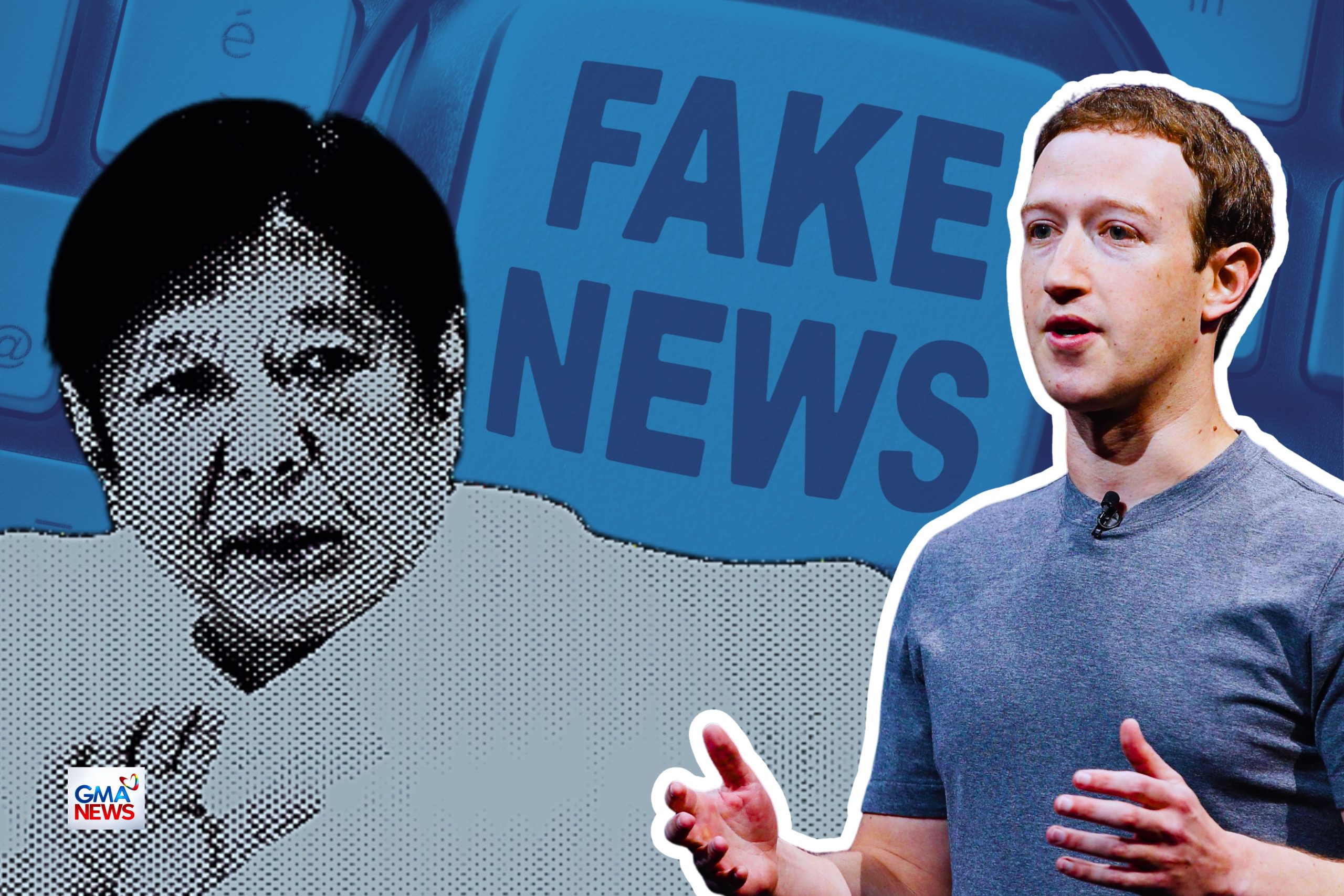
In a decisive move addressing digital misinformation concerns, the Philippine government has formally demanded that Meta implement stringent measures against what officials describe as rampant fake news on its platforms, particularly Facebook, citing threats to public order amid global economic challenges.
The Department of Information and Communications Technology (DICT) Secretary Henry Aguda and Presidential Communications Office (PCO) Secretary Dave Gomez jointly penned a letter to Meta CEO Mark Zuckerberg dated April 10, 2026, outlining specific requirements and setting firm deadlines for compliance.
According to the letter, the Philippines is currently facing “heightened economic and public vulnerability” due to the ongoing global fuel crisis. Officials expressed particular concern about how social media platforms are amplifying false information during this sensitive period.
“The rapid proliferation of false, misleading, and panic-inducing content—particularly those relating to oil prices, economic disruptions, and government actions—poses a direct and escalating threat to public order, economic confidence, and national security,” the government officials wrote. “The scale and velocity of such content on Meta’s platforms significantly amplify these risks.”
The government identified several categories of “high-risk” disinformation currently circulating on Meta’s platforms, including fabricated claims about the health or death of senior officials, particularly the President; misleading advisories about “energy lockdowns” and exaggerated price increases designed to trigger panic buying; financial disinformation targeting banking institutions; fake announcements regarding law enforcement operations; and coordinated inauthentic behavior targeting government officials.
In their assessment, Philippine authorities concluded that “existing safeguards are not commensurate with the current level of public risk,” prompting them to demand five specific actions from the social media giant.
The requirements include enhanced proactive detection systems for high-risk disinformation, expedited protocols for government-flagged content affecting public safety, establishment of 24/7 coordination channels with designated senior-level contacts at Meta, defined escalation pathways with enforceable response timelines, and regular transparency reporting on enforcement actions.
The letter carries significant legal weight, specifically citing Article 154 of the Philippines’ Revised Penal Code regarding “Unlawful Use of Means of Publication” and the country’s Cybercrime Prevention Act of 2012 as legal foundations for their demands.
The government’s ultimatum leaves little room for negotiation, warning that “failure to take prompt and sufficient action shall constrain the Philippine Government to consider appropriate regulatory and legal measures” in coordination with multiple agencies including the National Telecommunications Commission, Cybercrime Investigation and Coordination Center, and Department of Justice.
Meta was given just 48 hours to confirm receipt of the communication and seven calendar days to submit a comprehensive implementation plan addressing the government’s concerns.
This move reflects growing global tensions between governments and social media platforms over content moderation policies, particularly during periods of economic or political instability. The Philippines, with its population of over 110 million and high social media usage rates, represents a significant market for Meta in Southeast Asia.
Digital rights observers have previously noted the delicate balance between combating harmful misinformation and protecting free expression, particularly in countries with varying democratic traditions. The outcome of this high-profile demand could establish precedents for how social media companies respond to government pressure regarding content moderation in emerging markets.
As of publication time, Meta’s Philippine office has not issued a public response to the government’s demands. GMA News has reached out for comment and indicated it will update its reporting when a response is received.
Fact Checker
Verify the accuracy of this article using The Disinformation Commission analysis and real-time sources.
