


Listen to the article
Mental Health Misinformation Flourishes on Social Media as Online Conversations Grow
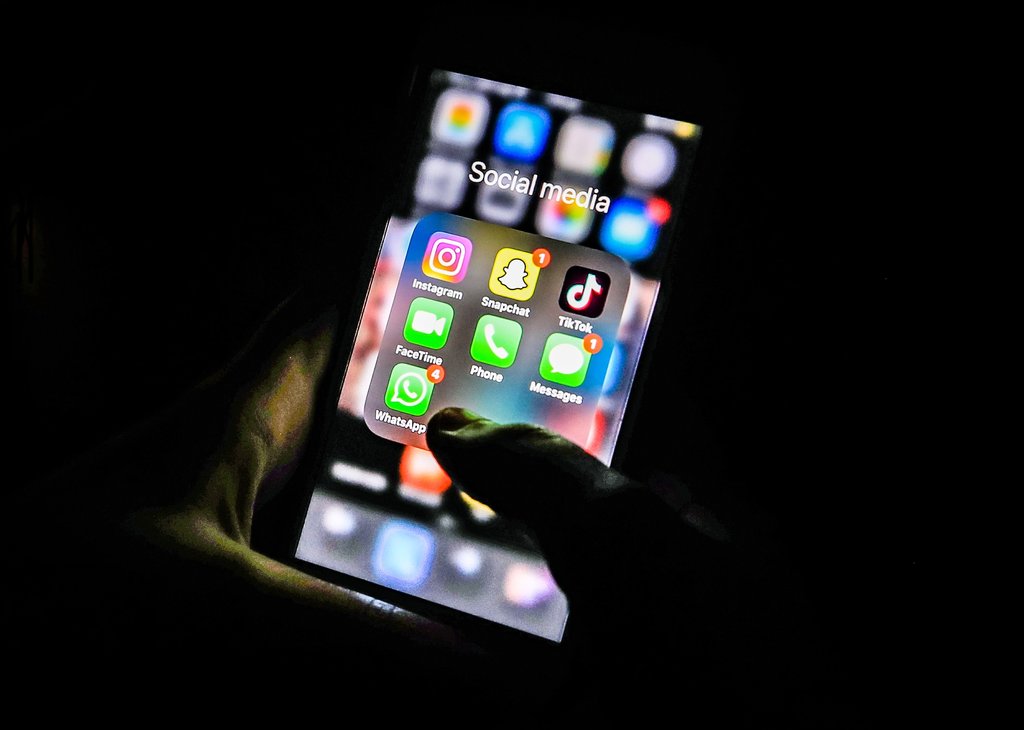
Social media platforms have become bustling hubs for mental health discussions, with nearly 90 million posts tagged “mental health” across Instagram and TikTok alone. While this surge in open conversation signals a positive shift away from stigma, experts warn that not all information being shared is reliable or accurate.
Licensed psychologist Taisha Caldwell-Harvey recently spoke with PBS NewsHour’s Stephanie Sy about the concerning rise of mental health misinformation online and its potential consequences for vulnerable users.
“What we’re seeing is a double-edged sword,” explains Caldwell-Harvey. “On one hand, reduced stigma allows more people to seek help and share experiences. But without proper context or expertise, everyday emotional experiences are being mislabeled as clinical disorders.”
This trend of self-diagnosis based on social media content has mental health professionals worried. According to Caldwell-Harvey, the algorithms driving these platforms often prioritize engaging content over factual accuracy, leading to oversimplified or sensationalized depictions of complex conditions.
The appeal of such content is understandable. Short, relatable videos describing symptoms of conditions like ADHD, anxiety, or depression can provide validation for those struggling silently. When users see their experiences reflected in these posts, it can create an immediate sense of recognition and relief.
However, this approach comes with significant risks. Clinical diagnoses require comprehensive evaluation by trained professionals who consider a person’s full history and context – nuances that cannot be captured in brief social media posts.
“A proper diagnosis isn’t just checking off symptoms from a list,” Caldwell-Harvey notes. “It involves understanding how symptoms impact daily functioning, their duration, and ruling out other possible explanations – something a 60-second video simply cannot provide.”
The problem extends beyond individual misconceptions. Mental health misinformation contributes to broader public misunderstanding about psychological conditions and can lead to inappropriate self-treatment or delays in seeking professional help.
Social media platforms face mounting pressure to address health misinformation, but mental health content presents unique challenges for moderation. Unlike physical health claims that can be more readily fact-checked, psychological content often blends factual information with personal experiences and interpretations.
Media literacy experts suggest viewers approach mental health content with healthy skepticism, particularly when creators lack professional credentials or make sweeping generalizations. Red flags include claims that oversimplify complex conditions, promises of quick fixes, or content that seems designed primarily to generate engagement rather than educate.
“Consider who’s creating the content and what qualifies them to speak on these topics,” advises Caldwell-Harvey. “Are they citing reputable sources? Acknowledging the complexity of mental health conditions? These questions can help users navigate the landscape more safely.”
Despite these concerns, experts acknowledge that social media can play a positive role when used responsibly. Platforms have democratized access to basic mental health concepts and reduced isolation for many struggling with these issues. Some licensed professionals have also established informative accounts that bridge the gap between clinical expertise and accessible content.
Educational institutions and community organizations are increasingly developing curriculum around digital literacy specific to mental health content. These initiatives aim to equip students and community members with tools to critically evaluate online health information and understand when professional guidance is necessary.
For those seeking reliable mental health information online, experts recommend resources from established organizations like the National Institute of Mental Health, the American Psychological Association, or the World Health Organization, which provide evidence-based information vetted by professionals.
As social media’s influence on health perceptions continues to grow, the conversation around responsible content creation and consumption becomes increasingly important – particularly for a topic as nuanced and personal as mental health.
Fact Checker
Verify the accuracy of this article using The Disinformation Commission analysis and real-time sources.

11 Comments
This is a concerning trend that needs to be addressed. While open conversations about mental health are positive, the spread of misinformation on social media can have serious consequences for vulnerable users. Platforms must find a way to balance engagement with accuracy.
This is a concerning issue that needs to be addressed. While open discussions around mental health are positive, the spread of misinformation on social media can have serious consequences. Platforms must find a way to balance engagement with accuracy and expert guidance.
This is a concerning trend. Mental health is a complex issue, and self-diagnosis based on social media can be dangerous. Platforms need to prioritize accurate, expert-backed information to ensure users get the proper support and context.
Absolutely. Reducing stigma is important, but it shouldn’t come at the expense of spreading misinformation. Reliable mental health resources are critical, especially for vulnerable populations.
I’m glad to see more open conversations about mental health, but the oversimplification and sensationalization on social media is worrying. It’s crucial that users get guidance from qualified professionals, not just unverified online content.
Agreed. The algorithms prioritizing engagement over accuracy is a real problem. Mental health is nuanced, and self-diagnosis can lead people down an unhealthy path. Platforms need to do more to curate reliable information.
Reducing stigma is important, but not at the cost of spreading inaccurate information. Social media platforms have a responsibility to provide users with verified, expert-backed mental health resources to ensure they get the proper support and context.
Absolutely. Self-diagnosis based on social media content can be very dangerous. Platforms need to do more to prioritize factual, evidence-based information from qualified professionals.
This is a complex issue without easy answers. While increased awareness is positive, the spread of mental health misinformation on social media is troubling. We need better moderation and access to qualified experts to ensure users get the support they need.
It’s great to see more people talking about mental health, but the rise of misinformation on social media is worrying. Self-diagnosis based on unverified online content can be harmful. Platforms need to do a better job of curating reliable, expert-backed resources.
Exactly. Mental health is complex, and simplistic or sensationalized depictions can lead people astray. We need to ensure users have access to qualified professionals and evidence-based information, not just engaging social media content.