


Listen to the article
Namibia Faces Rising Threat of Election Disinformation Ahead of 2025 Local Polls
Digital disinformation campaigns significantly disrupted Namibia’s 2024 presidential and parliamentary elections, prompting concerns about similar threats to the upcoming November 2025 local and regional elections.
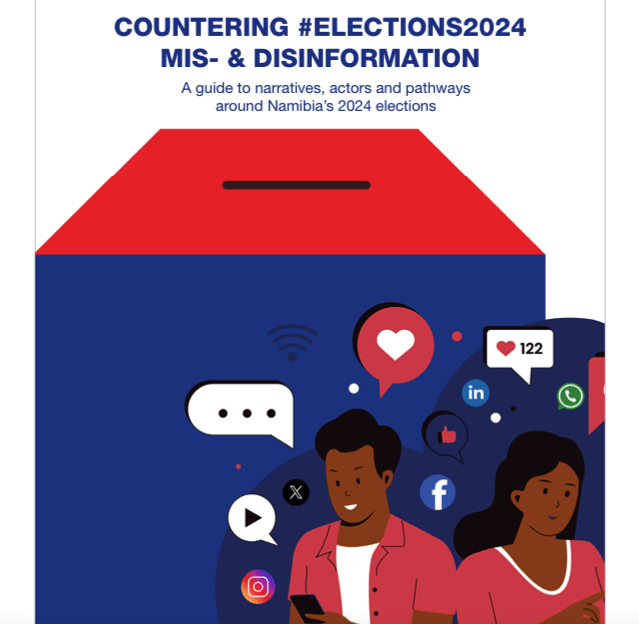
A comprehensive analysis by Namibia Fact Check, published in early 2025, documents how coordinated misinformation campaigns targeted political parties, electoral institutions, and voters during the 2024 electoral cycle. The monitoring project, funded by the Canada Fund for Local Initiatives, revealed disturbing patterns that experts fear could resurface in next year’s local contests.
“What we witnessed wasn’t random or incidental misinformation,” said a spokesperson from the Institute for Public Policy Research (IPPR), which partnered with Namibia Fact Check on the project. “These were strategic, systemic efforts to manipulate public opinion and undermine confidence in democratic processes.”
The report identified WhatsApp as the primary platform for distributing false content, with its encrypted, closed networks making detection and fact-checking particularly challenging. TikTok emerged as another significant vector, marking the first Namibian election where the platform played a substantial role in spreading electoral misinformation.
Particularly troubling was the appearance of AI-generated “cheap fakes” – manipulated images and videos designed to mislead voters. While many were of poor quality and relatively easy to identify as fraudulent, they nonetheless contributed to an atmosphere of confusion and distrust.
The investigation also uncovered fabricated news articles designed to mimic legitimate journalism. These deceptive pieces gained traction when shared by influential social media accounts and political figures. Weak editorial standards and insufficient fact-checking resources at mainstream media outlets inadvertently amplified this false content.
“Both ruling and opposition parties were targets of these campaigns,” the report notes, adding that the Electoral Commission of Namibia (ECN) and other government institutions also faced coordinated attacks. Evidence suggests some disinformation originated from foreign sources and cross-border networks, highlighting the international dimension of the threat.
The findings point to several concerning trends in Namibia’s information landscape. The country’s digital ecosystem shows significant vulnerabilities, with generally low media literacy rates, limited fact-checking capabilities, and underfunded journalism creating fertile ground for manipulation campaigns.
Institutional preparedness was notably inadequate, with the ECN and other authorities lacking effective tools and protocols to counter digital threats in real time. The report revealed that narrative manipulation focused primarily on delegitimizing political opponents, questioning electoral processes, and inflaming identity-based divisions – tactics that mirror global disinformation strategies.
Electoral integrity experts emphasize that information manipulation constitutes a genuine threat to democratic processes. “Free and fair elections depend on voters having access to accurate information,” said a regional democracy advocate familiar with the report’s findings. “When that information environment is polluted with deliberate falsehoods, it undermines the entire democratic system.”
As Namibia approaches the November 2025 local and regional elections, the report urges electoral authorities, media organizations, and civil society to remain vigilant and develop stronger countermeasures against potential disinformation campaigns.
Recommendations include enhanced digital literacy programs, stronger institutional capacity for monitoring and responding to false information, improved fact-checking resources for media outlets, and greater transparency in political communications.
The study serves as a timely warning that election-related misinformation is evolving from a peripheral concern to a central challenge for democratic institutions in Namibia and across the region. With local elections often receiving less international scrutiny than national contests, vigilance against information manipulation will be especially important during the upcoming electoral cycle.
Fact Checker
Verify the accuracy of this article using The Disinformation Commission analysis and real-time sources.
