


Listen to the article
Karnataka’s government has deployed artificial intelligence to combat digital threats, according to Law and Parliamentary Affairs Minister HK Patil, who described the technology as working at “lightning speed” to detect and counter harmful online content.
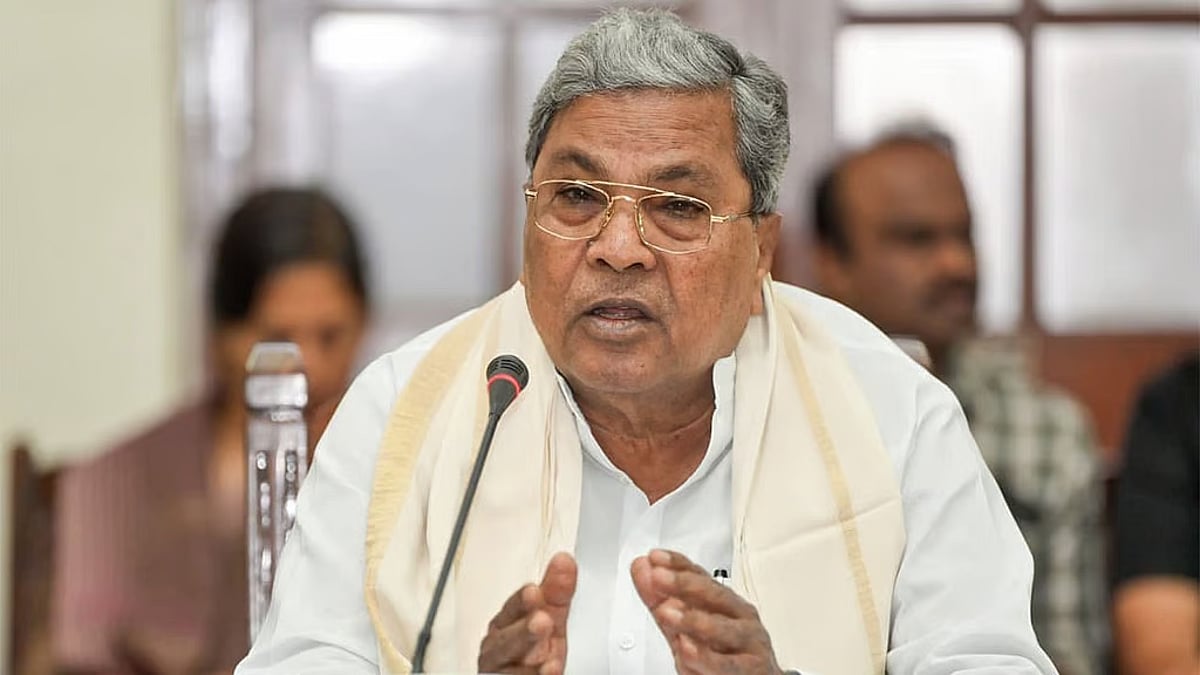
Speaking to reporters at a press briefing on Wednesday, Patil explained that the state’s new AI-powered system goes beyond simple fact-checking to perform sophisticated analysis of how manipulated information spreads across digital platforms.
“The software will not only fact check but will analyze how information with criminal intention gets disseminated after manipulation, especially on child trafficking, terror attacks, hate speech and fake news, eventually alerting the concerned for taking necessary action,” Patil said.
The minister emphasized that enforcement would operate within the framework of existing laws, though he left open the possibility of future legislation specifically targeting digital threats. “The action will be taken under the existing laws and if we feel it necessary in the future, we would formulate laws exclusively,” he added.
This initiative comes amid growing concerns about the proliferation of misinformation and harmful content online across India. Government officials have increasingly highlighted the challenges of monitoring and regulating digital spaces where information can spread rapidly and reach millions of users within hours.
The deployment of AI for content monitoring represents a significant shift in how authorities approach digital governance. Traditional manual monitoring methods have proven inadequate against the volume and velocity of online content, making automated systems increasingly necessary.
Cybersecurity experts note that AI systems can detect patterns and anomalies in online content that human reviewers might miss. These systems can analyze vast amounts of data from multiple platforms simultaneously, identifying coordinated disinformation campaigns and tracking how manipulated content evolves as it spreads.
However, civil liberties organizations have expressed concerns about the potential for such technologies to impact free speech and privacy. Digital rights activists warn that automated content analysis systems must include robust safeguards to prevent overreach and ensure transparent operation.
The Karnataka government’s focus on specific categories of harmful content—child trafficking, terror-related material, hate speech, and fake news—appears designed to address these concerns by targeting clearly harmful content rather than implementing broad-based censorship.
India has witnessed several incidents where misinformation spread through social media platforms has led to real-world violence and public disorder. In particular, false information about child trafficking has previously triggered mob violence in various parts of the country.
The initiative aligns with broader national efforts to strengthen digital security and content governance. The central government has been working on revisions to the Information Technology Act and related rules to better address digital-age challenges.
Technology policy analysts suggest that the effectiveness of such AI systems will depend not only on their technical capabilities but also on how they interface with law enforcement and judicial processes. Questions remain about the standards of evidence that will be applied and the mechanisms for appeal and redress.
Minister Patil did not provide specific details about the technology provider or the implementation timeline for the AI system. However, he indicated that the program would be continuously evaluated and refined based on its performance and emerging challenges.
The Karnataka initiative may serve as a model for other states grappling with similar digital governance issues, potentially establishing new approaches to content moderation that balance security concerns with constitutional protections.
As digital threats continue to evolve in sophistication, the use of AI for detection and enforcement represents a significant development in how governments approach online safety and security in the world’s largest democracy.
Fact Checker
Verify the accuracy of this article using The Disinformation Commission analysis and real-time sources.

12 Comments
Leveraging AI to detect and counter online harms like hate speech and child trafficking is a noble goal. But the implementation details will be critical to getting it right – transparency, accountability, and protecting civil liberties must be top priorities.
Using AI to combat online threats like hate speech and misinformation is a smart move. If implemented thoughtfully, it could help safeguard public discourse and protect vulnerable groups. But we’ll need to closely monitor for any overreach or unintended consequences.
Agreed, the success will depend on striking the right balance between effective content moderation and preserving free speech rights. Careful oversight and clear guidelines will be crucial.
The idea of AI-powered systems identifying and alerting authorities to the spread of manipulated information is intriguing. I’m curious to see how they plan to integrate this technology with existing legal frameworks to take effective action.
Good point. Ensuring the AI system’s findings can stand up in court and lead to meaningful enforcement will be crucial for its real-world impact.
While the idea of using AI to combat digital threats is promising, I hope Karnataka will proceed cautiously and with ample safeguards. Overreach or unintended consequences could do more harm than good, so rigorous testing and oversight will be essential.
Absolutely. Vigilance and a willingness to course-correct will be key as they roll out this new system. Maintaining public trust through responsible governance will be critical to its long-term success.
Addressing online harms like hate speech and child trafficking through AI is a laudable goal, but the implementation details will be critical. Ensuring transparency, accountability, and respect for privacy and civil liberties should be top priorities.
Absolutely. Striking the right balance between public safety and individual rights is tricky, but getting it wrong could do more harm than good. Rigorous testing and safeguards will be essential.
Deploying AI to detect and counter the spread of manipulated information is an ambitious undertaking. I’m curious to see how the technology will be applied in practice and whether it can keep up with the evolving tactics of bad actors.
Good point. Misinformation can mutate and spread rapidly online, so the AI system will need to be highly sophisticated and adaptable to stay ahead of the curve.
Kudos to Karnataka for taking a proactive approach to combating digital threats. The use of AI for advanced content analysis could be a game-changer, but I hope they maintain a strong human element in the moderation process.