


Listen to the article
AI Technology Accelerates Detection of Digital Threats, Says Karnataka Minister
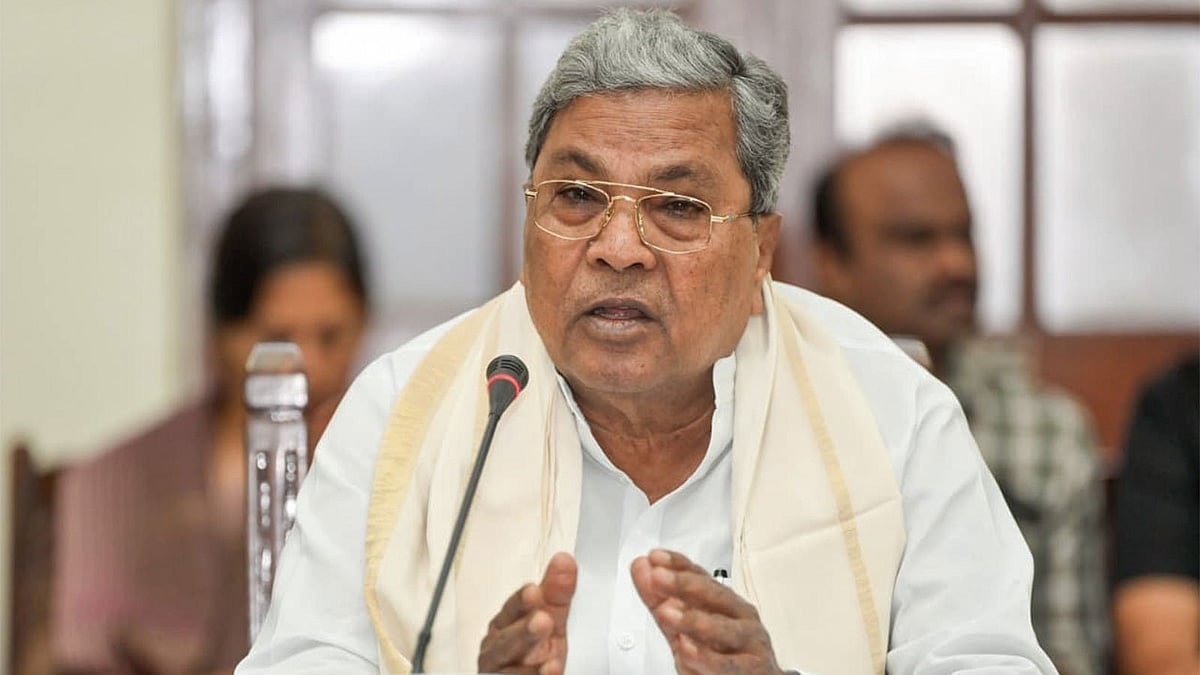
Karnataka’s Law and Parliamentary Affairs Minister HK Patil announced that artificial intelligence-powered technologies are now enabling authorities to detect and counter digital threats with unprecedented speed and efficiency.
“Artificial Intelligence-powered technologies enable the detection and countering of digital threats at lightning speed,” Patil told reporters during a press briefing yesterday.
According to the minister, the government is implementing advanced AI software capable of not only fact-checking content but also analyzing how manipulated information with criminal intent spreads across digital platforms. The system will specifically target critical areas including child trafficking, terror attacks, hate speech, and fake news.
The technology is designed to alert relevant authorities when potentially harmful content is detected, allowing for swift action under existing legal frameworks. “The action will be taken under the existing laws and if we feel it, in the future, would formulate laws exclusively,” Patil explained.
The initiative comes amid growing concerns about the proliferation of misinformation in the digital space. India has witnessed a surge in fake news across social media platforms in recent years, with some incidents leading to real-world violence and public panic.
Cyber security experts have welcomed the move but emphasize the need for transparency in implementation. “AI-based detection systems can be powerful tools against digital threats, but clear protocols must be established to prevent overreach,” said Dr. Ramesh Kumar, a cybersecurity researcher at the Indian Institute of Science.
Notably, Patil clarified that digital platforms of mainstream media organizations would not fall under the scrutiny of these AI solutions. “The digital platforms of the mainstream media will not be under the scanner of the AI solutions software, but those fake news banners and media houses will not be spared,” the minister warned, drawing a distinction between established news outlets and questionable information sources.
This development represents part of a broader global trend of governments leveraging AI to combat digital misinformation. Countries including Singapore, Germany, and Australia have implemented similar technological solutions, though with varying approaches to enforcement and regulation.
The announcement comes at a time when Karnataka is also addressing broader hate speech concerns. Patil mentioned that the government will provide explanations to the Governor regarding the Karnataka Hate Speech and Hate Crimes (Prevention) Bill, 2025, suggesting a comprehensive approach to addressing harmful content both online and offline.
Digital rights advocates have expressed cautious optimism about the initiative while raising questions about implementation. “The effectiveness of such systems depends heavily on how they’re trained and monitored,” noted Priya Sharma from Digital Rights India. “There must be human oversight to prevent legitimate speech from being flagged and to ensure the technology doesn’t exhibit inherent biases.”
The Karnataka government has not yet disclosed technical details about the AI systems being deployed, including which vendors are providing the technology or specific metrics for measuring effectiveness. Industry observers expect more information to be released as the program moves from announcement to implementation.
As artificial intelligence continues to evolve rapidly, its application in content moderation and threat detection represents both an opportunity and a challenge for governments worldwide, balancing security concerns with free expression principles.
Fact Checker
Verify the accuracy of this article using The Disinformation Commission analysis and real-time sources.

8 Comments
Deploying AI to combat hate speech and fake news is a positive step, but it will require robust safeguards to protect privacy and free speech. Careful implementation and transparency will be critical.
Hate speech and disinformation can have serious real-world consequences, so I’m glad to see Karnataka taking this issue seriously. AI tools could help, but their use will need to be closely monitored.
Agreed. Balancing public safety and civil liberties will be a delicate challenge. Transparent oversight and public consultation will be essential.
Leveraging AI to combat hate and disinformation is a worthy goal, but the details will be crucial. I’m curious to learn more about the specific safeguards and accountability measures Karnataka plans to implement.
Detecting and countering online threats with AI is a complex undertaking. I hope Karnataka’s initiative is thoughtfully designed to address the root causes and avoid unintended consequences.
Absolutely. Algorithmic bias and overreach are real risks that will need to be mitigated. Community input and independent audits should be part of the process.
This is an important step, but the potential for misuse of AI content moderation tools is concerning. Rigorous testing, transparency, and public oversight will be essential to build trust.
Protecting citizens from online harms is vital, but the use of AI raises many ethical questions. I hope Karnataka will engage diverse stakeholders to develop a balanced, responsible approach.