


Listen to the article
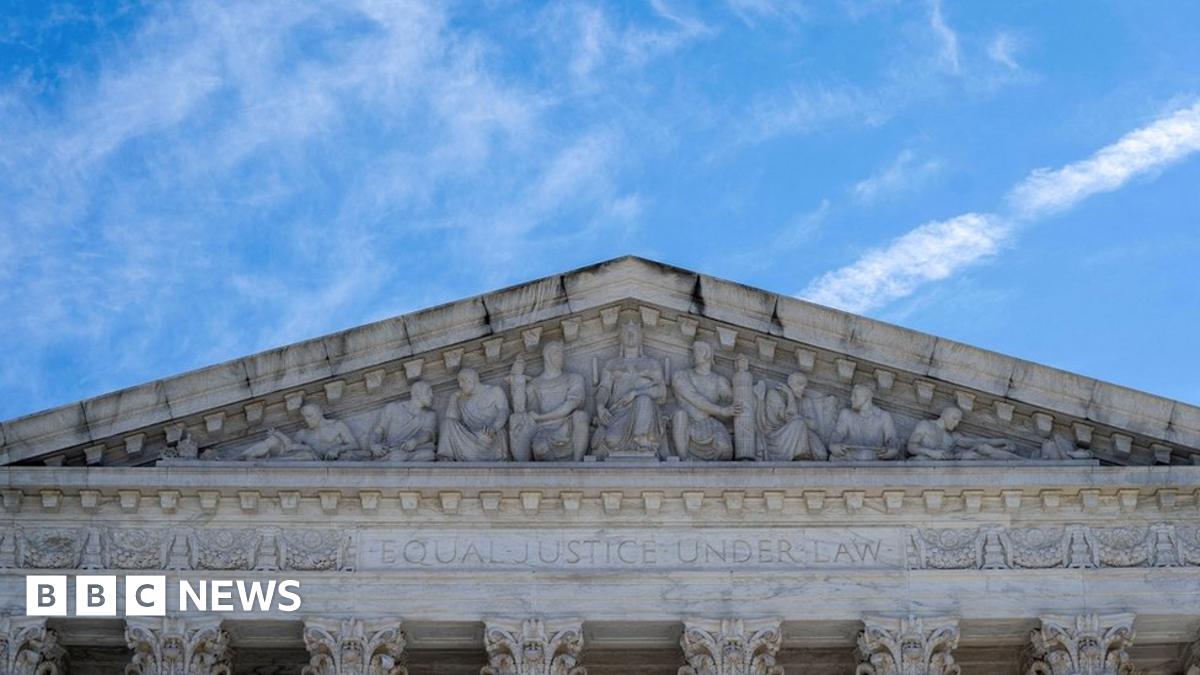
The Supreme Court is wrestling with a landmark case that could define the boundaries between government influence and free speech on social media platforms. During Monday’s hearing, justices appeared skeptical of arguments seeking to restrict how federal officials communicate with tech companies about online content.
The case, brought by Louisiana and Missouri along with several individual plaintiffs, challenges the Biden administration’s interactions with social media platforms regarding content about COVID-19 and the 2020 election that officials considered false or misleading.
At issue are communications between White House staff and social media executives, including Meta’s president of global affairs Nick Clegg, in which administration officials flagged posts they viewed as containing misinformation. The plaintiffs argue these exchanges constituted illegal pressure that violated free speech rights and targeted conservative viewpoints.
Among the plaintiffs are Jim Hoft, owner of the right-wing website Gateway Pundit, which has faced accusations of publishing misinformation, and Jill Hines, co-director of Health Freedom Louisiana, an organization that opposes vaccines and vaccine mandates.
During oral arguments, justices from across the ideological spectrum expressed concern about the potential implications of severely limiting government-social media interactions. Justice Ketanji Brown Jackson challenged the plaintiffs’ position, suggesting the government has a responsibility to protect citizens from harmful information online.
“Some might say that the government actually has a duty to take steps to protect the citizens of this country, and you seem to be suggesting that that duty cannot manifest itself in the government encouraging or even pressuring platforms to take down harmful information,” Justice Jackson told Benjamin Aguinaga, Louisiana’s solicitor general.
Aguinaga maintained that the administration’s communications crossed a constitutional line, arguing that emails to social media companies amounted to censorship rather than legitimate government communication. He claimed the messages put improper pressure on platforms to remove content.
A federal judge in Louisiana initially ruled in favor of the plaintiffs in July 2023, writing that if the allegations were true, the case “arguably involves the most massive attack against free speech in United States history.” This ruling, now on pause pending Supreme Court review, would significantly restrict government interactions with social media platforms.
However, several justices questioned whether the evidence showed that the administration’s communications directly led to content removal or actually limited the plaintiffs’ speech rights, noting that the individuals involved remain active on social media platforms.
In one notable exchange, Justice Jackson presented a hypothetical scenario about potentially deadly viral challenges affecting teenagers, asking if government officials would be prohibited from contacting tech companies about such dangers. Aguinaga conceded that officials could alert companies to problems but argued they would cross a constitutional line by pressuring the removal of specific content.
Brian Fletcher, representing the Biden administration, warned that siding with the plaintiffs would hamper critical government efforts to combat misinformation during public health emergencies and other crises. “The government is entitled to speak for itself,” Fletcher argued, defending the administration’s right to communicate concerns to tech platforms.
The case highlights the tension between preventing government overreach in the digital public square and allowing reasonable communication between officials and private companies that host vast amounts of public discourse. Tech platforms maintain they make independent content moderation decisions, though critics argue government influence may subtly coerce these companies into censorship.
The Supreme Court’s decision, expected in June, will likely establish significant precedent regarding government communications with social media companies in an era of growing concern about online misinformation and its effects on public health, elections, and civic discourse.
Fact Checker
Verify the accuracy of this article using The Disinformation Commission analysis and real-time sources.

9 Comments
This is a complex issue with valid concerns on both sides. It’s critical to balance free speech rights with the need to address legitimate public health and safety issues. I’m curious to see how the justices navigate these challenging tradeoffs.
This is a high-stakes case that could have far-reaching implications for government-platform communication and content moderation. I’m curious to see how the Supreme Court weighs the various First Amendment and public interest considerations.
This case highlights the delicate balance between free speech protections and the government’s role in addressing public health and election integrity concerns. I’m eager to see how the Supreme Court navigates these complex issues.
Interesting that the justices appear cautious about restricting government-social media communications, even around content considered misinformation. Curious to understand their reasoning and concerns with potential overreach.
Yes, their skepticism suggests they recognize the nuances involved. Regulating these communications could set a precedent with unintended consequences for legitimate government-platform dialogue.
Interesting that the plaintiffs are alleging the government’s communications with social media companies amounted to illegal pressure and targeted conservative viewpoints. I wonder if the justices will find merit in those claims.
The core issue seems to be where to draw the line between legitimate government efforts to address misinformation and potential overreach that infringes on free speech. The justices’ caution suggests they recognize the complexity of this challenge.
Intriguing that the plaintiffs include individuals and organizations known for promoting misinformation. I wonder if the justices will view their claims through that lens or try to assess the merits of the case more broadly.
This case touches on some fundamental tensions in a digital age – the government’s role in addressing online harms, the need to protect free speech, and the influence of social media platforms. I’ll be following the court’s deliberations with great interest.