


Listen to the article
In Japan, a new initiative is tackling digital misinformation head-on as young voters prepare to cast their ballots in Sunday’s general election. With social media-savvy Generation Z emerging as a crucial swing demographic, digital literacy workshops are equipping first-time voters with essential skills to navigate an increasingly complex information landscape.
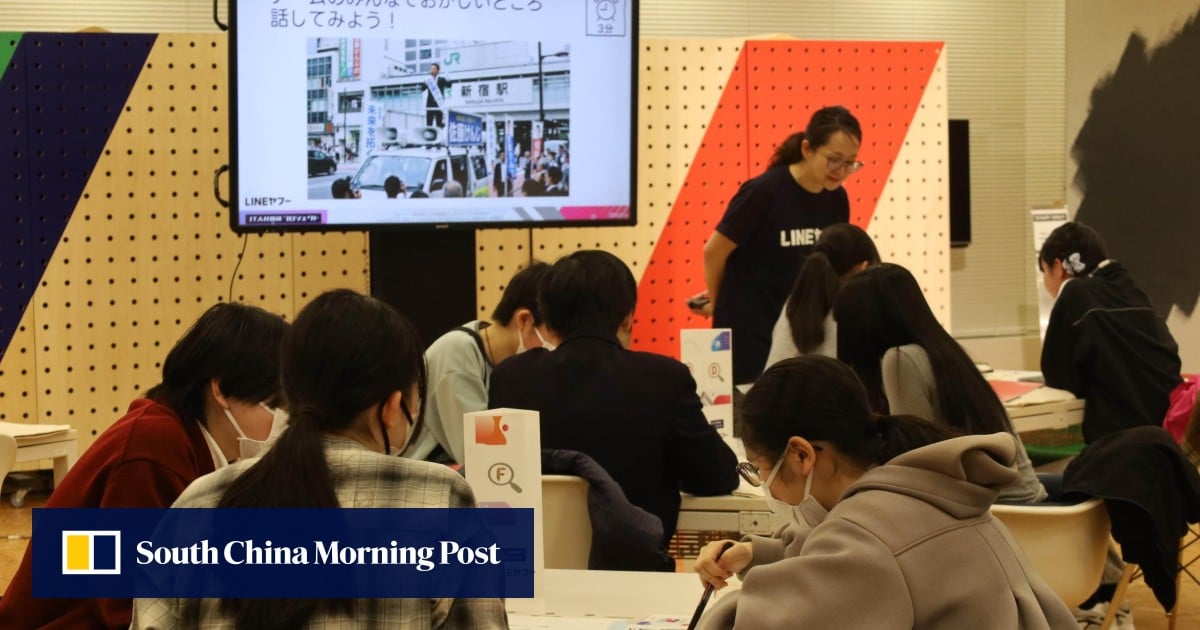
A recent workshop in Tokyo brought together approximately 20 junior high and high school students to develop critical media evaluation skills. The session focused on identifying reliable information sources and recognizing manipulated content—skills particularly relevant as deepfake technology becomes more sophisticated and widespread.
“I couldn’t find any errors in those AI-generated images. It made me realise I may have overestimated my ability [to spot fake news],” admitted an 18-year-old high school senior who will be voting for the first time in the upcoming election. This revelation highlights the growing challenge young voters face in distinguishing authentic content from sophisticated digital fabrications.
During the hands-on session, participants worked collaboratively to analyze various examples of misleading media. One exercise involved examining what appeared to be a legitimate campaign photo showing a candidate delivering a speech from atop a campaign vehicle outside Shinjuku Station. Despite its convincing appearance, the image was entirely generated by artificial intelligence, containing subtle errors including misspelled text and implausible background elements that even media-literate teenagers struggled to identify.
The workshop curriculum also covered practical scenarios involving composite images assembled from multiple photographs, misleading editorial choices, and deceptive content framing. Students received guidance on identifying fake social media accounts—an increasingly common vector for political misinformation.
This educational initiative comes at a critical moment in Japanese politics. Political analysts have noted that younger voters could potentially swing key races in Sunday’s election, particularly in urban districts where margins have historically been narrow. With approximately 2.4 million first-time voters eligible to participate in this election, parties across the political spectrum have intensified their digital outreach efforts.
The proliferation of AI-generated content presents unique challenges for democratic processes worldwide. Japan’s election authorities have expressed growing concern about the potential for sophisticated misinformation campaigns to influence voter behavior. Unlike some countries that have implemented strict regulations governing political content online, Japan’s approach has focused more on education and media literacy.
Experts in digital communication note that the challenge extends beyond simply identifying obvious fakes. Modern misinformation often blends factual elements with subtle manipulations, creating content that can mislead even skeptical consumers. The psychological impact of encountering misleading information—even when later corrected—can continue to influence perception and decision-making.
Several Japanese tech companies have launched initiatives to complement these educational efforts. Major platforms have introduced enhanced content verification tools and partnered with fact-checking organizations to flag potentially misleading election-related content.
Education officials have praised these workshops as an essential complement to formal civics education. “Digital literacy is becoming as fundamental to citizenship as understanding how government works,” noted one education ministry representative who observed the Tokyo workshop. “These students aren’t just learning technical skills—they’re developing the critical thinking abilities needed for meaningful democratic participation.”
As election day approaches, organizers plan to expand these workshops to additional locations throughout Japan, with particular emphasis on reaching rural communities where media literacy resources may be less accessible. Digital citizenship advocates emphasize that building resilience against misinformation requires ongoing education rather than one-time interventions.
The students participating in these workshops represent the first generation of voters to have grown up entirely in the digital age—making them both uniquely vulnerable to sophisticated manipulation techniques and potentially well-positioned to develop new approaches to information verification.
Fact Checker
Verify the accuracy of this article using The Disinformation Commission analysis and real-time sources.

10 Comments
While the focus is on Japan, this issue is a global concern as young voters around the world grapple with the spread of online misinformation. Proactive efforts to build media literacy are crucial.
Absolutely. As digital technology becomes more advanced, the need for media literacy education transcends national borders. Equipping the next generation of voters with these critical skills is key to maintaining the integrity of democratic processes.
The admission by the 18-year-old high school senior that they couldn’t detect the manipulated images highlights the challenges young voters face. Targeted media literacy training can help bridge this gap.
Agreed. Even tech-savvy youth can be fooled by sophisticated deepfakes. Hands-on workshops to develop these essential skills are a smart investment in the future of informed civic engagement.
This initiative highlights the importance of adapting educational curriculums to the evolving digital landscape. Empowering youth with the ability to navigate and evaluate online information is a worthy investment.
Well said. Preparing young voters to be discerning consumers of media, especially as deepfakes become more sophisticated, is a crucial step in safeguarding the integrity of elections and democratic decision-making.
Equipping young voters with media literacy skills is crucial in today’s digital landscape. Recognizing manipulated content and identifying reliable sources are essential abilities for making informed decisions.
I agree. The rise of deepfakes makes it increasingly challenging to distinguish fact from fiction. Focused workshops can help develop the critical thinking needed to navigate this complex information environment.
This initiative in Japan is a great example of proactively addressing misinformation concerns among first-time voters. Fostering digital literacy is key to empowering young people to be discerning consumers of online content.
Absolutely. As social media becomes more influential, equipping the next generation with the tools to think critically about what they see online is vital for the health of democracy.