


Listen to the article
Pakistan’s Information Minister Calls for D-8 Nations to Unite Against Misinformation
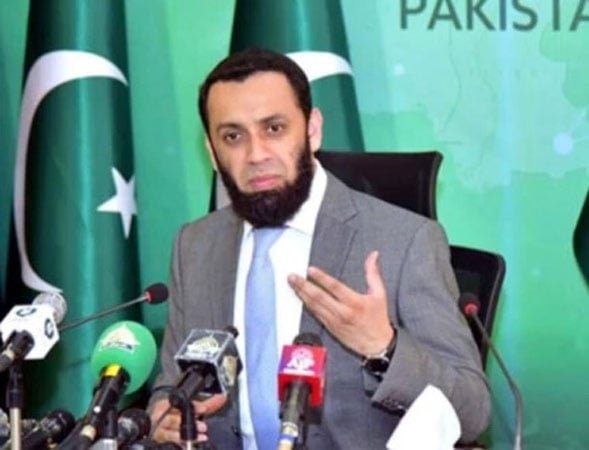
Pakistan’s Minister for Information and Broadcasting Attaullah Tarar has called on Developing Eight (D-8) countries to create a unified media strategy to combat the growing threat of misinformation in the digital age. Speaking at the D-8 Media Forum in Baku, Azerbaijan, Tarar emphasized the urgent need for collective action as the global information landscape continues its rapid evolution.
“We have witnessed the transformation of media from print to electronic and now to digital platforms,” Tarar said during his address. “This evolution demands a coordinated response from nations sharing similar challenges in the information space.”
The D-8 Organization for Economic Cooperation, established in 1997, comprises eight developing countries with significant Muslim populations: Bangladesh, Egypt, Indonesia, Iran, Malaysia, Nigeria, Pakistan, and Turkey. With a combined population exceeding 1.1 billion people, these nations face similar challenges in managing information flows and countering false narratives.
Tarar highlighted Pakistan’s unique demographic advantage, noting that the country’s young population is driving significant change in the media landscape. According to recent statistics, over 60% of Pakistan’s population is under 30 years old, with increasing digital literacy and social media engagement rates.
“Our youth are not merely consumers of information but active participants in shaping narratives,” Tarar explained. “This presents both an opportunity and a responsibility to ensure they receive accurate information while developing critical thinking skills.”
The minister’s call comes amid growing global concern about the proliferation of misinformation and its potential to undermine democratic processes, fuel social unrest, and complicate responses to crises ranging from public health emergencies to natural disasters. Recent studies indicate that false information spreads six times faster than factual content on social media platforms.
Media experts present at the forum noted that the D-8 nations are particularly vulnerable to misinformation campaigns due to linguistic diversity, varying levels of digital literacy, and complex regional geopolitics. A coordinated approach could leverage the collective resources and expertise of member states to develop more effective countermeasures.
Tarar outlined several potential areas for cooperation, including joint fact-checking initiatives, shared media literacy programs, and regulatory frameworks that balance freedom of expression with accountability for spreading harmful misinformation.
“We must respect our cultural and political differences while recognizing that misinformation recognizes no borders,” Tarar said. “The challenges we face require solutions that draw on our shared values and common interests.”
The minister also emphasized the economic dimension of misinformation, noting that false narratives can disrupt markets, damage business reputations, and impede foreign investment. For developing economies within the D-8 bloc, this represents a significant threat to growth and stability.
Representatives from other D-8 nations expressed general support for enhanced cooperation, though specific implementation details remain under discussion. Media executives from several member countries noted that any framework would need to accommodate different legal systems, media traditions, and political contexts.
The Baku forum marks an important step in what observers describe as a growing recognition among developing nations that information integrity is essential to sustainable development. Previous discussions within the D-8 framework have primarily focused on trade, agriculture, and industrial cooperation.
Industry analysts suggest that successful collaboration on media issues could strengthen the D-8’s relevance as a multilateral platform while providing practical tools for member states to address a shared challenge. The next steps will likely include technical working groups to develop specific proposals for consideration at ministerial-level meetings in the coming months.
As the forum concluded, Tarar reaffirmed Pakistan’s commitment to working closely with D-8 partners on media initiatives, positioning the alliance as potentially influential in shaping global approaches to information integrity in an increasingly complex digital environment.
Fact Checker
Verify the accuracy of this article using The Disinformation Commission analysis and real-time sources.

20 Comments
An important issue that D-8 nations must address together. Misinformation can have serious consequences, so a coordinated media strategy is crucial. I hope they can develop effective solutions to protect their citizens from false narratives.
Agreed. Sharing best practices and resources across the D-8 group could strengthen their ability to combat misinformation.
The D-8 nations’ call for a unified media strategy is timely and necessary. Misinformation can undermine social cohesion and democratic processes, so their efforts to address this threat are commendable.
Absolutely. Protecting their citizens from the spread of false narratives should be a top priority for these countries.
The rapid evolution of media certainly demands a coordinated response. I’m curious to learn more about the specific strategies the D-8 nations plan to implement to combat misinformation.
Same here. Sharing information and aligning their approaches could make their efforts more impactful.
Combating misinformation is a complex challenge, but the D-8 nations’ collective efforts could make a real difference. I’m curious to see how they balance preserving free speech with stopping the spread of false narratives.
That’s a good question. Finding the right balance will be critical to ensure their strategies are effective yet still respect democratic principles.
Interesting that the D-8 group, with over 1 billion people, is taking on this challenge. Misinformation is a global problem, but these nations may have unique cultural and technological insights to contribute.
You make a good point. As developing economies, the D-8 countries could develop innovative digital solutions tailored to their needs.
The rapid evolution of media platforms is a valid concern. A coordinated D-8 response could help these nations stay ahead of emerging misinformation threats. I’m curious to see their specific plans.
Me too. Adapting to the changing media landscape will be crucial, so their strategy needs to be forward-looking.
The D-8 group’s initiative to create a unified media strategy is commendable. Misinformation knows no borders, so a coordinated regional approach makes a lot of sense.
Agreed. Sharing resources and best practices across these nations could lead to more impactful solutions.
Pakistan’s demographic advantage is an interesting point. Engaging their young population will be crucial in addressing misinformation on digital platforms. A unified D-8 media strategy could be very effective.
Absolutely. Leveraging the tech-savvy youth in these countries could be a key part of the solution.
It’s encouraging to see the D-8 countries taking proactive steps to address the threat of misinformation. Their large combined population means the impact of their efforts could be significant.
Absolutely. If they can develop effective strategies, it could serve as a model for other regions facing similar challenges.
Combating misinformation is a critical issue, and the D-8 group’s initiative is a step in the right direction. Their combined resources and shared challenges could lead to innovative solutions.
Well said. A collaborative approach leveraging their collective expertise has great potential to make a real impact.