


Listen to the article
Bulgaria’s Disinformation Crisis Reveals Institutional Failures Across EU’s Eastern Flank
Bulgaria’s struggle against disinformation stems not from inadequate fact-checking but from deeply rooted institutional dysfunction that signals a dangerous leadership vacuum to its citizens. The country has become a case study in how misinformation flourishes when government institutions appear paralyzed, performative, and fundamentally broken.
In recognition of Bulgaria’s faltering reform efforts, the European Commission issued a formal warning in May regarding the country’s non-compliance with the Digital Services Act (DSA). This regulatory intervention highlights Brussels’ growing concern about Bulgaria’s vulnerability to disinformation campaigns and political manipulation of media.
However, experts note that the EU still lacks robust accountability mechanisms when member states violate crucial legislation like the DSA or the European Media Freedom Act (EMFA). This enforcement gap is particularly problematic in countries like Bulgaria and Romania, where institutional weaknesses create openings for disinformation that threatens the integrity of the EU’s broader information ecosystem.
“When appointment processes are broken and reforms stall, citizens receive a clear message that no one is actually governing,” says media analyst Irina Nedeva from the Sofia-based Media Democracy Foundation. “This governance vacuum creates fertile ground for disinformation networks to establish themselves and operate with impunity.”
Despite these challenges, the recently enacted EMFA represents a potential turning point. If implemented effectively, it could provide critical safeguards against political capture of media outlets, cut funding streams to disinformation operations, and create sustainable business models for independent journalism. The legislation offers a comprehensive framework that addresses many vulnerabilities in Bulgaria’s media landscape.
Yet the success of these measures depends largely on strengthening local implementation capacity while maintaining strict accountability standards. Without these complementary efforts, even the most progressive legislation risks becoming merely symbolic in countries with entrenched governance problems.
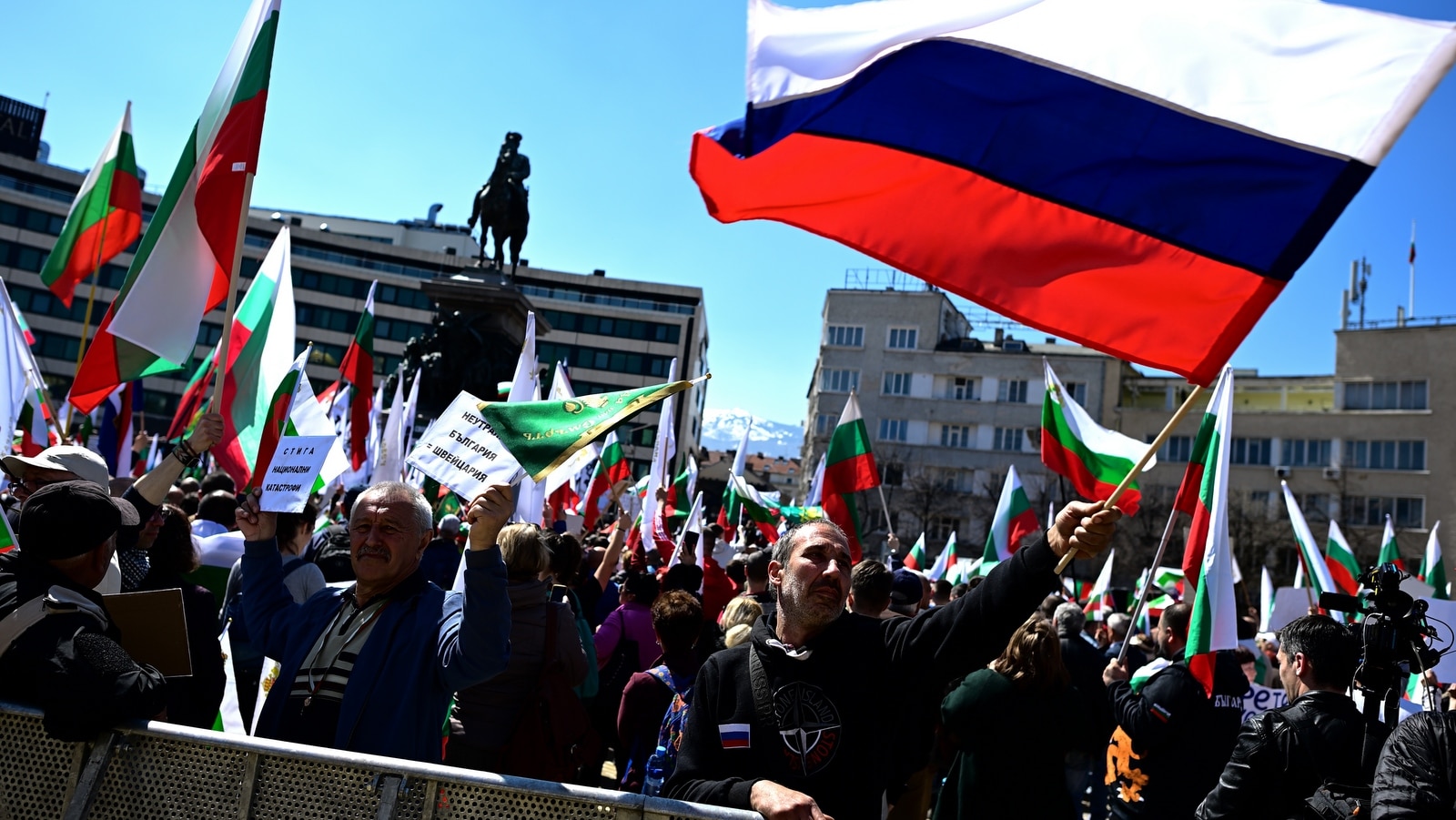
Bulgaria’s significance extends beyond its own borders. EU officials increasingly view the country as both a vulnerability and a warning signal for the entire bloc. As a member state with significant institutional weaknesses, Bulgaria has become a portal through which Kremlin-aligned narratives enter the European information space. More concerningly, it provides a preview of similar challenges that could emerge in Western Balkan countries currently pursuing EU membership.
Montenegro serves as a particular point of comparison. Recently designated as the EU’s accession “front runner,” Montenegro has just emerged from a period of political deadlock that threatened its EU candidacy. The crisis was only resolved through hastily drafted media and justice legislation that many critics consider inadequate.
“What we’re seeing in Bulgaria today could easily be Montenegro’s reality tomorrow if accession focuses only on passing laws without ensuring their effective implementation,” says Milka Tadić Mijović, president of the Center for Investigative Journalism of Montenegro.
The situation underscores a crucial reality for EU policymakers: legislative solutions alone cannot address the complex disinformation landscape. Political will to enforce existing regulations is equally essential. The ultimate test for initiatives like the EMFA will be whether they can transform legal frameworks into credible institutions, particularly in environments where public trust has been severely eroded.
As the EU continues to navigate these challenges, Bulgaria serves as both a cautionary tale and a critical testing ground for Europe’s evolving approach to information resilience. The stakes extend beyond media freedom to the very foundations of democratic governance and European security.
Fact Checker
Verify the accuracy of this article using The Disinformation Commission analysis and real-time sources.

10 Comments
It’s disheartening to see disinformation flourish in Bulgaria due to institutional dysfunction and a leadership vacuum. This has serious implications for the integrity of the EU’s information ecosystem.
Agreed. This underscores the importance of the EU taking a more proactive and forceful approach to safeguarding media freedom and fighting the spread of online falsehoods.
This is a troubling development that could have far-reaching consequences for the EU. Disinformation thriving in a member state due to political dysfunction is a serious threat that needs to be addressed.
I hope the EU can find effective ways to support Bulgaria in shoring up its institutions and media landscape to combat the spread of online falsehoods.
This is a concerning trend that highlights the need for stronger EU-wide mechanisms to combat disinformation and shore up democratic institutions. Bulgaria’s challenges seem symptomatic of broader issues facing Eastern Europe.
Absolutely. The EU needs to find ways to better hold member states accountable and ensure compliance with crucial digital governance laws like the DSA and EMFA.
Bulgaria’s struggle with disinformation is a cautionary tale about the dangers of institutional breakdowns and the need for the EU to have robust enforcement mechanisms for digital governance laws.
This is a complex issue that underscores the challenges the EU faces in ensuring the integrity of its information ecosystem, especially in member states with deep-rooted institutional problems.
Agreed. Tackling disinformation in Bulgaria will require a multifaceted approach that addresses the root causes of the country’s political and democratic dysfunction.
The situation in Bulgaria highlights the need for the EU to strengthen its ability to enforce compliance with crucial digital regulations like the DSA. Tackling disinformation requires addressing the underlying institutional weaknesses.