


Listen to the article
Philippines Communications Chief: Social Media Disinformation Aims to Destabilize Government
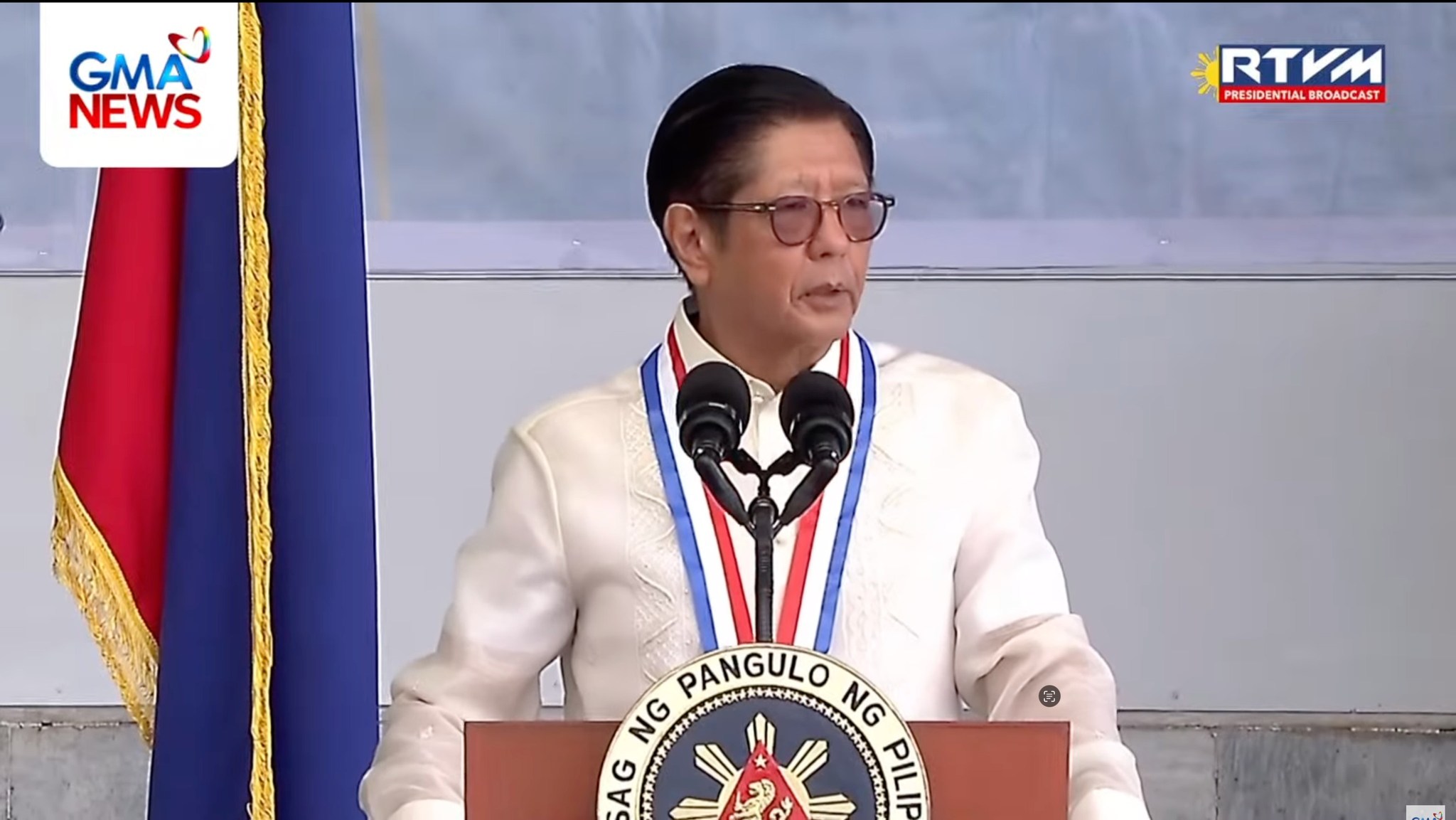
Presidential Communications Office Acting Secretary Dave Gomez issued a stern warning Thursday about what he described as a coordinated disinformation campaign regarding President Ferdinand “Bongbong” Marcos Jr.’s health, claiming the effort is a deliberate attempt to undermine the administration.
The PCO’s Anti-Fake News Desk has identified what Gomez called a “sudden and coordinated surge” in false information spreading across social media platforms. According to Gomez, the campaign has been sophisticated enough that even mainstream media organizations have inadvertently amplified some of the misleading content.
“The timing is suspect. Why the sudden surge at this time? Why resort to outright lies? Why the desperation? Regardless, the motive is clear. Distract and destabilize our government,” Gomez said in a statement released by the communications office.
The disinformation campaign comes at a critical moment for the Marcos administration, which has been grappling with a national energy crisis that has affected millions of Filipino households and businesses. Energy security has become a cornerstone policy issue for the administration as the country faces increasing demand amid aging infrastructure and regional supply challenges.
Gomez emphasized that despite the spreading rumors, President Marcos remains focused on addressing the country’s pressing issues. “The President remains laser-focused on one mission: solving our energy emergency and delivering real, tangible help to every Filipino family, improving their lives and strengthening our economy,” he stated.
In a move that signals potential legal ramifications for those involved, Gomez revealed that the PCO has been methodically documenting social media posts, comments, and what he termed “lies” as evidence for possible court proceedings. “Each one is a piece of evidence we can use in court. We will identify the perpetrators, trace their networks, and file the proper charges in court once the evidence is complete, hopefully by next week,” he warned.
The Philippines has struggled with the proliferation of online disinformation since social media became a dominant force in the country’s information ecosystem. With one of the highest rates of social media usage globally, the Philippines has become fertile ground for misinformation campaigns that often target political figures.
President Marcos himself has directly addressed the rumors about his health, assuring the public that he is in good condition. He cautioned citizens against believing everything they encounter on social media platforms, suggesting a more critical approach to online information.
This incident highlights the ongoing challenges facing the Philippine government in combating digital disinformation. The country’s 2022 national elections were marked by widespread misinformation campaigns, and subsequent legislation aimed at curbing “fake news” has raised concerns among press freedom advocates.
Media literacy experts note that the Philippines’ high internet penetration rate combined with limited digital literacy education creates particular vulnerabilities to disinformation. Jonathan Santos, a media analyst at the Manila Institute for Digital Affairs, commented that “the lines between genuine public concern and manufactured political narratives have become increasingly blurred in Filipino online discourse.”
The PCO’s announcement suggests an intensification of government efforts to counteract what it perceives as deliberate attempts to spread false information. However, civil liberties groups have expressed concerns that anti-fake news initiatives could potentially be used to suppress legitimate criticism of government policies and officials.
As the administration prepares its legal response to the alleged disinformation campaign, observers will be watching closely to see how the government balances combating misleading information with protecting free expression in the Philippines’ vibrant but often polarized media landscape.
Fact Checker
Verify the accuracy of this article using The Disinformation Commission analysis and real-time sources.

29 Comments
Exploration results look promising, but permitting will be the key risk.
Uranium names keep pushing higher—supply still tight into 2026.
Good point. Watching costs and grades closely.
Exploration results look promising, but permitting will be the key risk.
Good point. Watching costs and grades closely.
I like the balance sheet here—less leverage than peers.
Good point. Watching costs and grades closely.
Good point. Watching costs and grades closely.
Interesting update on Gomez: Disinformation About Marcos’ Health Aimed at Government Destabilization. Curious how the grades will trend next quarter.
Good point. Watching costs and grades closely.
The cost guidance is better than expected. If they deliver, the stock could rerate.
Uranium names keep pushing higher—supply still tight into 2026.
Uranium names keep pushing higher—supply still tight into 2026.
Good point. Watching costs and grades closely.
Good point. Watching costs and grades closely.
Interesting update on Gomez: Disinformation About Marcos’ Health Aimed at Government Destabilization. Curious how the grades will trend next quarter.
Good point. Watching costs and grades closely.
Good point. Watching costs and grades closely.
Uranium names keep pushing higher—supply still tight into 2026.
Good point. Watching costs and grades closely.
Good point. Watching costs and grades closely.
Production mix shifting toward Social Media might help margins if metals stay firm.
The cost guidance is better than expected. If they deliver, the stock could rerate.
Good point. Watching costs and grades closely.
Good point. Watching costs and grades closely.
If AISC keeps dropping, this becomes investable for me.
Good point. Watching costs and grades closely.
Good point. Watching costs and grades closely.
Nice to see insider buying—usually a good signal in this space.