


Listen to the article
Turkish authorities could detain German visitors over social media activity that would be legal at home, Berlin warns in its latest travel advisory.
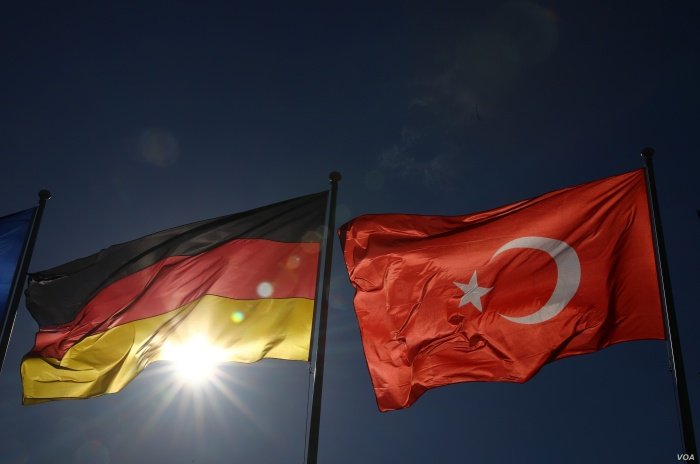
Germany has issued a stark warning to its citizens traveling to Turkey, cautioning that statements or social media activity perfectly legal in Germany could lead to detention or travel restrictions under Turkish law. The German Foreign Ministry updated its travel guidance on Monday, highlighting significant risks that travelers might face for past online posts, petition signatures, or participation in political events.
The advisory specifically addresses Turkey’s controversial 2022 disinformation law, which permits Turkish authorities to impose prison sentences of up to three years for sharing content deemed to be “false information” that authorities consider threatening to public order, national security, or public health. Even simply “liking” or sharing certain social media posts could potentially be treated as criminal offenses in Turkey, according to the German warning.
Human rights organizations have consistently criticized the Turkish disinformation law for its deliberately vague language that grants authorities significant discretion in determining what constitutes misleading or harmful information. This ambiguity creates substantial legal risks for journalists, activists, and ordinary social media users, including foreign visitors.
Beyond the disinformation law, Turkish prosecutors frequently employ counterterrorism legislation and criminal code provisions such as “disseminating terrorist propaganda” or “insulting state officials” in cases involving online speech or political commentary. Critics argue these provisions have been applied broadly in recent years, criminalizing forms of expression that would be protected in most European democracies.
The updated advisory reflects growing tensions between Turkey’s approach to regulating speech and Western democratic standards of freedom of expression. For German travelers accustomed to robust speech protections at home, the legal environment in Turkey presents unique risks that might not be immediately apparent.
Security concerns also feature prominently in Germany’s updated guidance. The Foreign Ministry specifically advised citizens to avoid several provinces near Turkey’s eastern borders with Syria and Iraq due to security risks. These regions include Şırnak, Mardin, Şanlıurfa, and Hakkâri, areas that have experienced periodic instability related to regional conflicts.
The warning also touched on practical concerns, alerting travelers to the possible circulation of counterfeit foreign currency and urging general vigilance regarding safety conditions throughout the country.
Germany’s updated advisory is not occurring in isolation. In recent years, multiple European governments have issued similar warnings highlighting the risks of detention in Turkey linked to political expression, particularly online activity. These advisories reflect broader international concerns about Turkey’s legal approach to speech and political expression.
The German-Turkish relationship has experienced periodic tensions in recent years, with freedom of speech and human rights concerns frequently emerging as points of contention. Turkey remains an important NATO ally and trade partner for Germany, which is home to a significant Turkish diaspora community.
For travelers from Germany and other Western democracies, the advisory underscores the importance of understanding that legal protections for speech vary significantly across borders. Activities considered routine political expression in Berlin might carry unexpected legal consequences in Ankara or Istanbul.
Rights groups continue to monitor the implementation of Turkey’s disinformation law and broader speech restrictions, arguing that vague legal standards create a chilling effect on legitimate expression and pose particular risks to journalists, political activists, and ordinary citizens engaging in online discourse.
Fact Checker
Verify the accuracy of this article using The Disinformation Commission analysis and real-time sources.

9 Comments
This is a concerning development for German travelers to Turkey. The vague wording of Turkey’s disinformation law seems ripe for abuse and arbitrary enforcement. Tourists should be cautious about their social media activity while visiting.
The German government is right to issue this strong warning. Turkey’s broad definition of ‘disinformation’ is a serious threat to civil liberties. Tourists could face detention for harmless social media posts – a chilling prospect.
Agreed. No one should have to risk imprisonment for exercising their right to free speech, even when traveling abroad.
The vague wording of Turkey’s disinformation law is ripe for abuse. German citizens should be extremely cautious about their social media activity while visiting the country to avoid potential detention.
Absolutely. No one should have to risk imprisonment just for expressing their views online, even in a foreign country.
This travel advisory is a stark reminder of the deteriorating human rights situation in Turkey. German citizens would be wise to reconsider visiting a country that criminalizes free speech in such an arbitrary manner.
This is a disappointing but not surprising development. Turkey has been backsliding on human rights and democratic freedoms for years. German travelers should weigh the risks carefully before visiting.
Turkey’s crackdown on online speech is deeply concerning. This travel advisory highlights the need for greater international pressure on the Turkish government to respect basic civil liberties.
Turkey’s crackdown on free speech and dissent is deeply troubling. This travel advisory highlights the risks of visiting a country with such repressive policies around online expression. German citizens should think carefully before traveling there.