


Listen to the article
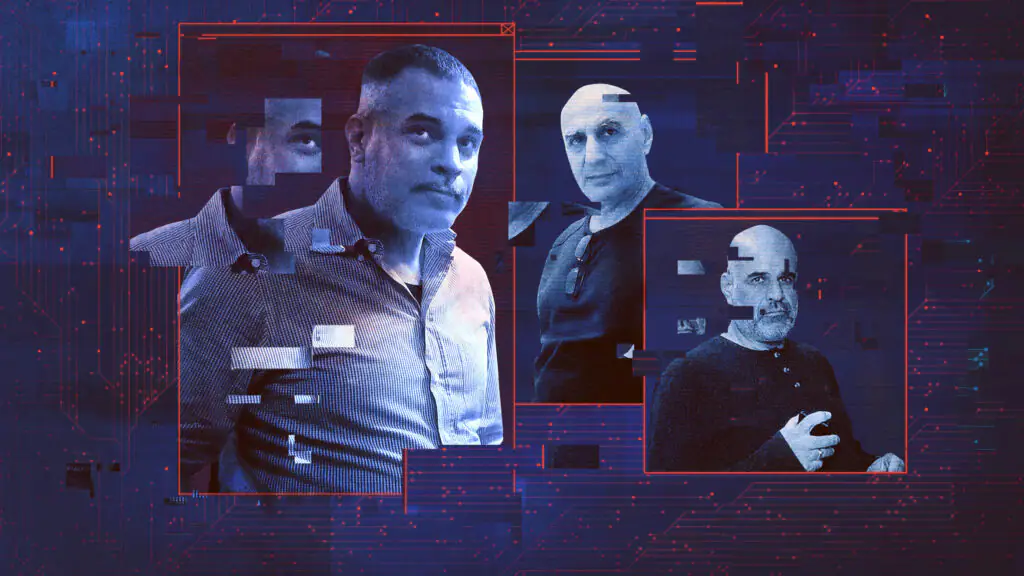
In a disturbing revelation of digital warfare tactics, an investigation by “Forbidden Stories” has uncovered the operations of “Team Jorge,” a mercenary hacking group that provides cyber espionage services to clients worldwide, exploiting security vulnerabilities to access sensitive information and manipulate public opinion.
During demonstrations to journalists, the group’s leader, known only as “Jorge,” showcased his team’s capabilities by gaining live access to email and messenger accounts belonging to high-ranking African officials. In one particularly alarming display, the hackers compromised Telegram accounts and impersonated the rightful owners to send messages to their family members.
The investigation revealed connections between Team Jorge and the now-defunct Cambridge Analytica, the British consulting firm at the center of a massive 2018 data scandal that harvested information from up to 87 million Facebook users to influence elections globally. According to the report, Team Jorge operatives arrived at Cambridge Analytica offices carrying USB drives allegedly containing confidential information extracted from email accounts, including data from a Nigerian presidential candidate—a move that reportedly shocked even some Cambridge Analytica employees.
These digital mercenaries typically deploy multi-channel disinformation campaigns, combining political spam, manipulative social media tactics, and targeted rumor-mongering. “The agencies usually sell a package made up of political spam and dirty social-networking tactics, along with rumour-mongering and election advertising via WhatsApp numbers and zip-code campaigns via Facebook ads,” explains Alberto Escorcia, who has studied these operations.
Social media platforms have proven particularly vulnerable to such manipulation. Their brief formats and tendency to reward sensationalized, emotional content create ideal conditions for propaganda to flourish. “Young people, especially, have had enough of traditional politics; it bores them,” notes Ivón Rivera, a communications expert at the Central American University in San Salvador. “They want to consume information as entertainment, in little information bytes.”
Messaging applications like WhatsApp and Telegram have become particularly effective vectors for spreading disinformation. Within these closed ecosystems of chats and private groups, false information can proliferate rapidly without challenge or contradiction. Escorcia points out that users often place greater trust in content shared by friends, family, or acquaintances than in traditional media sources.
The emergence of artificial intelligence has dramatically amplified these threats. During Mexico’s 2024 presidential and parliamentary campaigns, Escorcia documented how OpenAI’s programming interface was exploited to generate thousands of tweets and Facebook advertisements automatically, scaling disinformation efforts to unprecedented levels.
Major social media companies have implemented various countermeasures in recent years, including community reporting systems, fact-checking partnerships, and AI detection tools designed to identify suspicious accounts and content. However, the investigation into Team Jorge suggests these defenses are largely inadequate.
“The research on Team Jorge showed that the defenses of social-media companies like Facebook against masses of automated and lying bot accounts function significantly worse than the companies would have us believe,” says Spiegel editor Max Hoppenstedt. “We were able to demonstrate that the companies failed to notice numerous fake accounts for a long time.”
The situation has been exacerbated by recent tech industry cost-cutting measures that have reduced staff dedicated to content moderation, security, and ethical oversight. Furthermore, the political alignment of several tech CEOs with right-wing figures has reportedly led to a more permissive approach toward certain forms of disinformation.
In a particularly troubling development for information integrity, Meta CEO Mark Zuckerberg has recently ended collaborations with international journalistic fact-checking initiatives that Facebook had previously supported and promoted—a decision that experts fear will further empower merchants of disinformation in an already vulnerable digital landscape.
As artificial intelligence capabilities continue to advance and digital platforms remain central to public discourse, the sophisticated tactics employed by groups like Team Jorge represent an escalating threat to information integrity and democratic processes worldwide.
Fact Checker
Verify the accuracy of this article using The Disinformation Commission analysis and real-time sources.

10 Comments
While the specifics of this case are alarming, it’s clear that the issue of digital disinformation campaigns spans borders and has global implications. Concerted, multinational efforts will be needed to address this complex problem effectively.
While the details of this particular case are alarming, it’s clear that the threat of digital disinformation campaigns is a global challenge that requires a coordinated, multi-faceted response. Vigilance and innovation will be key to staying ahead of these evolving threats.
The use of hacking and impersonation to spread disinformation is deeply troubling. Stronger international cooperation and information sharing will be crucial to identifying and disrupting these kinds of malicious operations.
The alleged ties between Team Jorge and Cambridge Analytica are especially alarming. The misuse of personal data to sway political outcomes is unethical and undermines the integrity of our elections. Stronger data privacy laws and oversight are clearly needed.
I agree. The ability of mercenary hacking groups to compromise individual accounts and impersonate victims is chilling. More must be done to safeguard digital communications and prevent these kinds of manipulative tactics.
The revelation of Team Jorge’s capabilities is a wake-up call. We must take this threat seriously and invest in the tools and expertise required to protect our digital infrastructure and democratic processes from these kinds of malicious actors.
This is deeply concerning. Hacking groups like this that exploit digital vulnerabilities to manipulate public opinion pose a grave threat to democracy and transparency. We need stronger cybersecurity measures to protect sensitive information and stop the spread of disinformation.
This is a sobering reminder of the real-world consequences of digital warfare. We can’t take our online security for granted. Increased vigilance, robust cybersecurity measures, and international cooperation will be crucial to combating these threats.
Absolutely. Tackling the spread of disinformation and restoring public trust will be an ongoing challenge. Stringent regulations, improved user education, and a vigilant free press will all be essential.
This story highlights the urgent need for more robust data privacy laws and cybersecurity safeguards. Individuals, companies, and governments all have a role to play in standing up to these digital manipulation tactics.