


Listen to the article
British lawmakers have intensified their scrutiny of major social media platforms amid growing concerns over foreign disinformation campaigns targeting the UK. The Parliamentary Committee investigating “disinformation diplomacy” has formally requested that X (formerly Twitter), Meta, and TikTok appear before them to explain their processes for combating coordinated disinformation efforts.
The committee’s action follows a recent evidence session that highlighted the severity of foreign disinformation threats to British democracy and public trust. According to the committee, these social media platforms have become “melting pots of disinformation” that require urgent attention.
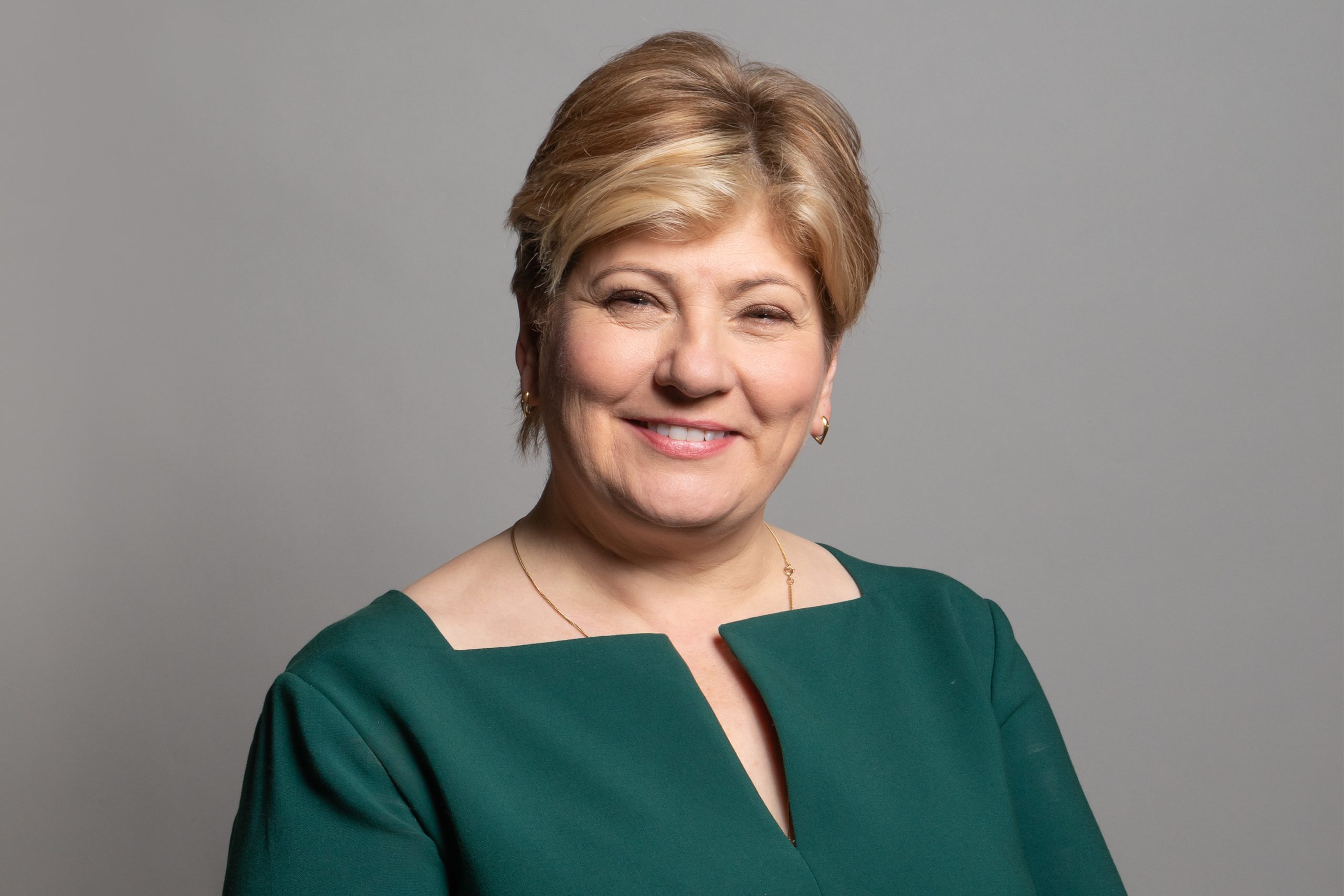
“Yesterday’s session brought home the staggering threat that foreign disinformation poses to the UK and our interests,” said the Committee Chair. “And while this threat may come from overseas – Russia, China, Iran, amongst many others – the impact is felt here, by each and every one of us. Make no mistake, nefarious actors are seeking to manipulate and deceive us daily to serve their own interests.”
The inquiry specifically aims to examine how these tech giants detect and respond to what industry professionals term “inauthentic coordinated behaviour” – the systematic spreading of false information across platforms by networks of accounts working in concert. This tactic has become a hallmark of sophisticated foreign influence operations.
Evidence presented to the committee has repeatedly emphasized how social media ecosystems are being deliberately weaponized to sow division within British society and undermine public confidence in key institutions. The committee chair noted that these campaigns have far-reaching consequences, eroding “trust in Government, in politics, and in democracy here in Britain.”
The formal letters to X, Meta, and TikTok come at a critical juncture in the global battle against digital disinformation. In recent years, these platforms have faced mounting pressure to improve their content moderation practices and transparency around foreign interference. While the companies have implemented various countermeasures, critics argue these efforts remain insufficient against the scale and sophistication of state-backed disinformation operations.
Russia has been particularly active in targeting Western democracies through digital influence campaigns, as demonstrated during elections in the United States, France, and Germany. China and Iran have also expanded their digital disinformation capabilities, often tailoring narratives to exploit existing social divisions or promote their geopolitical interests.
The committee’s focus on these three specific platforms highlights their outsized influence on public discourse in the UK. Meta’s Facebook and Instagram remain among Britain’s most-used social networks, while TikTok’s growing popularity, particularly among younger users, has raised concerns about its potential as a vector for foreign influence. X, despite recent controversies and ownership changes, continues to serve as a crucial platform for news dissemination and political discussion.
Social media companies have historically resisted heavy regulatory oversight, often citing concerns about free speech and the technical challenges of moderating content at scale. However, the growing recognition of disinformation as a national security threat has prompted more assertive government intervention worldwide.
“These platforms have questions to answer over their inadequate response to the spread of disinformation,” the committee chair stated. “I urge these companies to come and explain their processes for dealing with this critical issue to my Committee.”
The committee’s investigation comes as the UK government continues to implement its Online Safety Act, which places new legal requirements on digital platforms regarding harmful content. How social media companies respond to this parliamentary scrutiny could significantly influence future regulatory approaches to combating foreign disinformation in Britain.
Fact Checker
Verify the accuracy of this article using The Disinformation Commission analysis and real-time sources.

12 Comments
As someone who follows developments in the mining and commodities sectors, I’m curious to see if this inquiry will uncover any foreign disinformation campaigns targeting those industries. Maintaining transparency is vital.
That’s a good point. Bad actors may try to exploit commodity markets and mining-related issues to advance their geopolitical agendas. Vigilance is required.
It’s good to see lawmakers taking a closer look at how major tech platforms are handling foreign disinformation threats. This is a complex challenge that requires a multi-stakeholder approach.
Absolutely. Increased scrutiny and cooperation between platforms, governments, and civil society will be crucial to tackling this issue effectively.
As someone working in the mining and energy sectors, I’m glad to see this issue getting high-level attention. Disinformation can have real-world impacts on commodity markets and investment decisions.
Absolutely. The potential for foreign actors to manipulate perceptions and sway sentiment in these critical industries is a serious concern that warrants close examination.
This is a concerning development. Social media platforms must be held accountable for their role in amplifying foreign disinformation campaigns. Robust safeguards and transparency are needed to protect democratic discourse.
Agreed. The scale and sophistication of these coordinated efforts to sow division and erode public trust is deeply troubling.
While I appreciate the committee’s efforts, I hope they approach this with nuance and avoid overstating the threat. Disinformation is a real problem, but we must be careful not to stifle legitimate debate and criticism of tech platforms.
Fair concern. Striking the right balance between addressing genuine threats and preserving free speech will be crucial.
This is a welcome step, but the real test will be in the committee’s ability to extract meaningful commitments and accountability from the tech giants. Tough questions and sustained pressure will be needed.
Agreed. These platforms have resisted oversight in the past, so the committee will need to be persistent and thorough in its investigation.