


Listen to the article
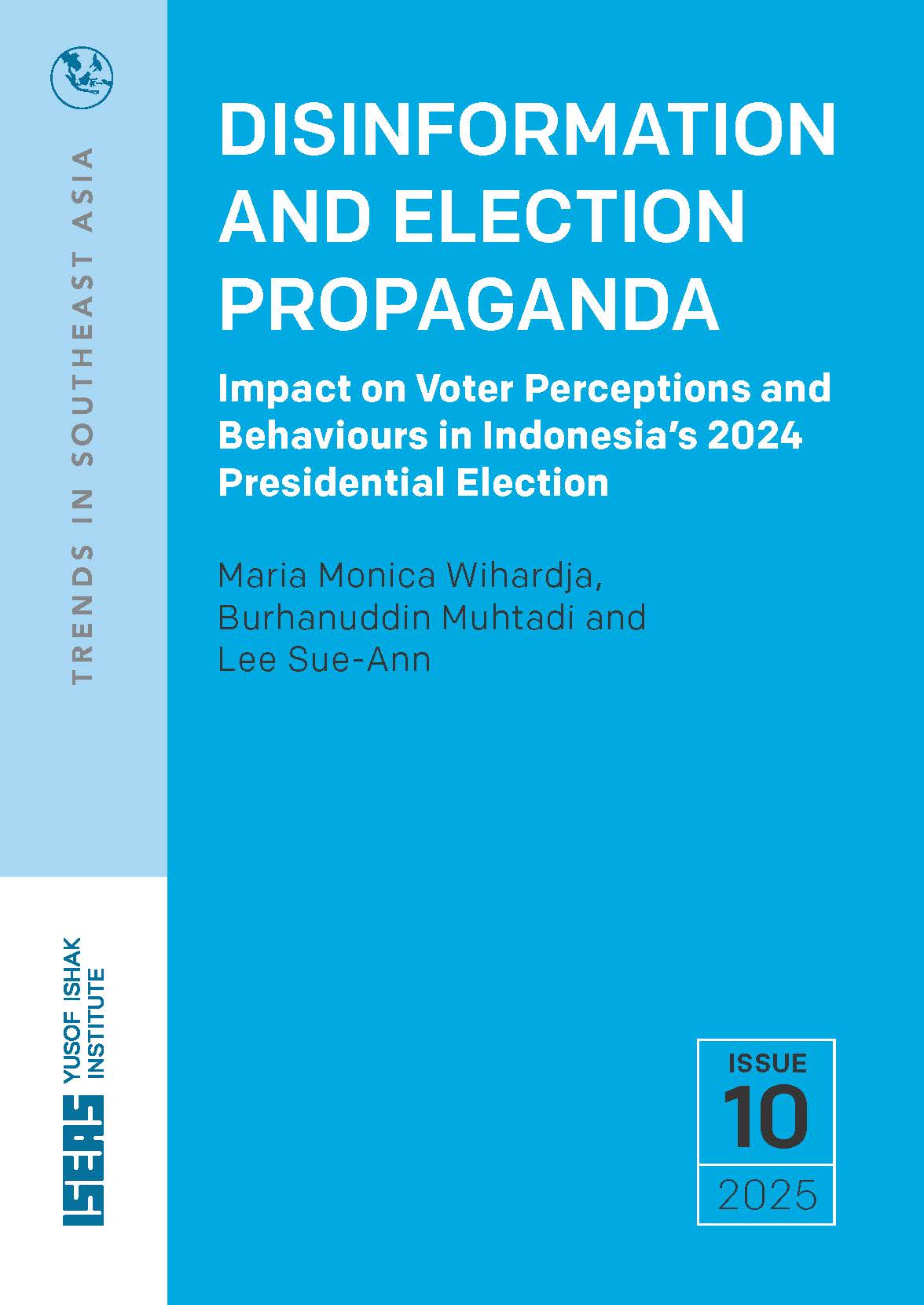
Social media played a complex but nuanced role in Indonesia’s 2024 presidential election, according to a comprehensive study released this month by the ISEAS-Yusof Ishak Institute. The research examines how digital platforms influenced voter behavior and perceptions during one of Southeast Asia’s most significant democratic exercises.
The study reveals a hybrid media landscape where traditional channels remain influential while social platforms gain traction, especially among younger voters. Television continues to be a leading source of election-related information across all demographic groups, alongside direct conversations with friends and family.
Notably, WhatsApp emerged as the second most important information source across all age brackets, highlighting the growing significance of private messaging platforms in political communication. However, the research identified a striking generational divide in media consumption patterns.
Young Indonesians aged 15-24 demonstrated markedly different habits, turning to TikTok as their primary source for election news, followed by WhatsApp, television, and Instagram. This shift represents a significant departure from older generations’ media preferences and signals an evolving information ecosystem that political campaigns must navigate.
Despite the widespread use of social media for political information, Indonesians appear to maintain healthy skepticism toward these platforms. When asked about trusted sources, respondents across all demographics ranked social media relatively low, preferring television and face-to-face conversations with personal connections instead. Even among youth, TikTok ranked only tenth out of fifteen media sources in terms of trustworthiness.
“These findings suggest that the Indonesian population possesses fairly high levels of resilience, awareness and literacy regarding mis/disinformation online,” the report states, challenging assumptions about social media’s overwhelming influence on electoral outcomes.
The study also explores the nuanced impact of disinformation and election propaganda, finding that exposure alone does not necessarily translate to influence. For committed supporters of a presidential candidate, acceptance or rejection of specific narratives largely depends on pre-existing political allegiances, demonstrating the power of confirmation bias in political information processing.
Voters tend to accept information that aligns with their existing beliefs about preferred candidates while rejecting contradictory messaging, regardless of factual accuracy. This psychological mechanism appears to create a firewall against opposing narratives for partisan voters.
However, the dynamics change significantly for “swing voters” – those initially undecided or not strongly committed to any candidate. For this crucial demographic, mere exposure to disinformation proved insufficient to change voting intentions. Instead, the research found that these voters were swayed when they came to believe specific election propaganda narratives, suggesting a more complex relationship between information consumption and political decision-making.
The findings come amid growing concerns about the use of advanced technologies like deepfakes to spread misinformation during elections. While acknowledging these concerns, the study presents a more nuanced understanding of how such content affects different voter segments.
Indonesia, the world’s third-largest democracy with over 270 million people, has seen rapid digitalization in recent years. Nearly 73% of its population now uses the internet, with social media adoption among the highest globally. This digital transformation has reshaped political campaigning strategies, with candidates investing heavily in online outreach to connect with voters, particularly in urban areas.
The ISEAS research provides valuable insights for understanding political communication in Southeast Asia’s largest economy as it navigates the complex intersection of traditional democratic processes and emerging digital platforms. It suggests that while social media has transformed how political information circulates, Indonesian voters maintain significant agency in how they process and act upon this information.
As the region prepares for several other significant elections in coming years, the study offers important lessons about digital resilience and the evolving nature of democratic participation in the social media age.
Fact Checker
Verify the accuracy of this article using The Disinformation Commission analysis and real-time sources.

10 Comments
The generational divide in media consumption is a fascinating finding. It reflects the broader shifts in how people, especially younger generations, engage with and consume news and information. Understanding these dynamics will be crucial for political campaigns and policymakers seeking to connect with and inform voters.
This research underscores the complex and evolving nature of media consumption patterns, particularly among younger voters. As political campaigns and policymakers navigate this landscape, understanding the nuances of how different demographic groups access and engage with information will be crucial for effective outreach and communication.
This research underscores the evolving role of social media and messaging apps in shaping political discourse and voter behavior. It will be interesting to see how these trends evolve leading up to the 2024 election and how stakeholders respond to the challenges posed by the digital landscape.
Interesting insights on the role of social media in shaping voter perceptions during Indonesia’s 2024 election. The generational divide in media consumption patterns is particularly noteworthy, with younger voters relying more on platforms like TikTok and WhatsApp. This underscores the need for nuanced, multi-channel strategies to reach diverse voter segments.
The prominence of WhatsApp as a key source of election-related information is a noteworthy finding. The rise of private messaging apps in political communication highlights the need for robust fact-checking and content moderation efforts to mitigate the spread of disinformation.
The insights from this study emphasize the importance of a multi-faceted approach to addressing the challenges posed by disinformation in the digital age. Strengthening media literacy, promoting fact-based reporting, and leveraging a diverse range of communication channels will be essential for safeguarding the integrity of the electoral process.
The findings highlight the complexity of the modern media landscape and the challenges of combating disinformation. It’s crucial that election authorities and civic organizations work to promote media literacy and fact-based reporting, especially among younger voters who are more susceptible to the spread of misinformation online.
Absolutely. Ensuring access to reliable information and empowering voters to critically evaluate sources should be a top priority.
The study’s emphasis on the importance of traditional media sources, like television and direct conversations, alongside the growing influence of digital platforms is a nuanced and important observation. Effective communication strategies will need to leverage a mix of channels to reach diverse voter segments.
Agreed. A multi-pronged approach that combines traditional and digital media is essential to ensure comprehensive and balanced information reaches voters.