


Listen to the article
Azerbaijan’s Media Chief Emphasizes Media Literacy as Defense Against Disinformation
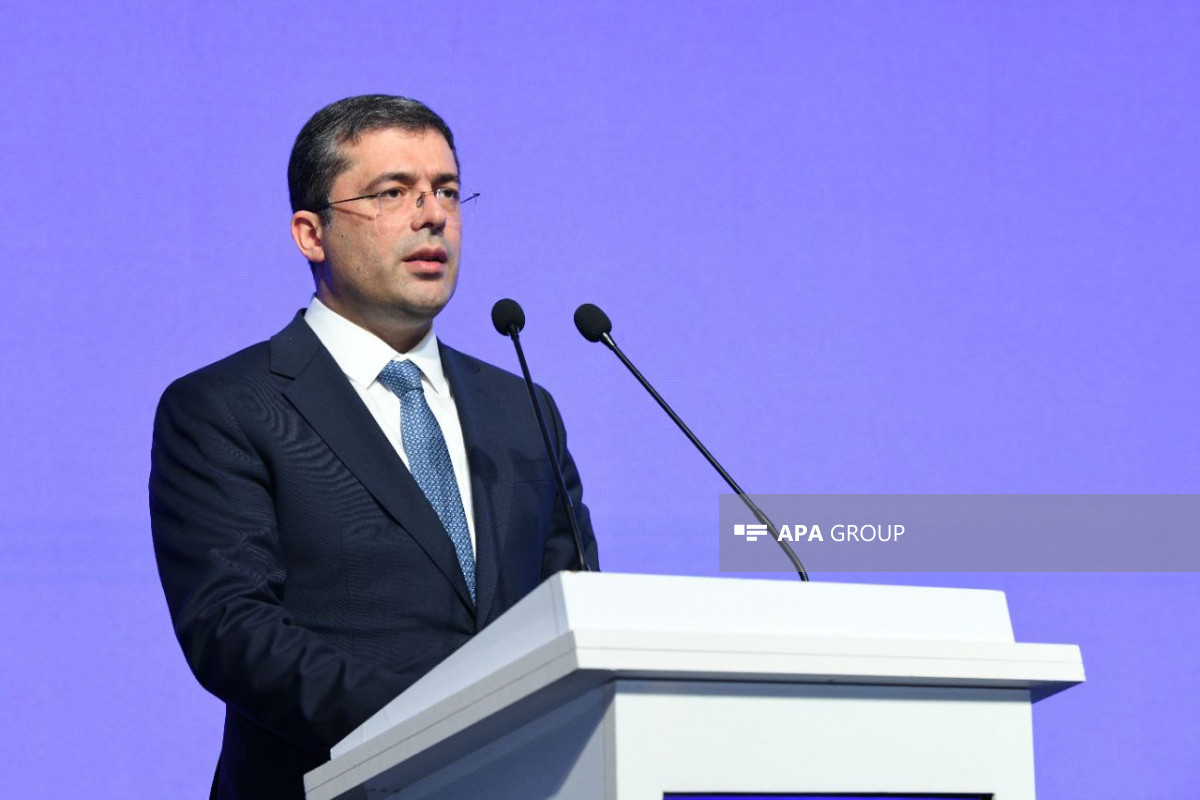
Disinformation represents one of the most serious threats facing societies globally, according to Ahmad Ismayilov, Executive Director of Azerbaijan’s Media Development Agency. Speaking at a conference titled “Digitalization, Artificial Intelligence and Media Literacy,” Ismayilov highlighted the growing challenges in maintaining information integrity in the digital age.
The conference, which brought together media professionals and digital policy experts, addressed the intersection of emerging technologies and media responsibility at a time when the spread of false information has become increasingly sophisticated.
“The rich historical heritage of the national press requires greater responsibility in the modern era,” Ismayilov noted, pointing to Azerbaijan’s established media tradition that now faces new challenges in the digital landscape.
Ismayilov described how the evolving media environment has fundamentally changed information consumption patterns. “The rapid expansion of the digital media environment, the fact that the efficiency of information often exceeds the criterion of accuracy, and the increased ability of social media platforms to influence public opinion turn information exchange into a process based on collective responsibility,” he explained.
This transformation has elevated the importance of information accuracy regardless of its source. In Azerbaijan, protecting the national information environment has become a matter of strategic importance, particularly as the country navigates its own complex geopolitical realities in the Caucasus region.
The rise of artificial intelligence technologies presents both opportunities and challenges for media integrity. Ismayilov emphasized that adherence to ethical norms and the promotion of accurate information have taken on heightened significance in this technological era. Media literacy, he argued, cannot be the sole responsibility of journalists but must extend to information consumers who need critical thinking skills to navigate today’s media landscape.
“The ability to think inquiringly, the habit of evaluating the source and purpose of information are among the main factors determining the sustainability of modern society,” Ismayilov stated.
Azerbaijan has taken concrete steps to address these challenges through policy and legal frameworks. In 2022, the country’s Law “On Media” came into force, providing the first legal definition of media literacy in the national legislation. The law designated the Media Development Agency as the body responsible for implementing state measures in this area, signaling an institutional commitment to combating disinformation.
These efforts align with broader international concerns about information integrity. Globally, governments and international organizations have increasingly recognized disinformation as a threat to democratic processes, public health, and social cohesion. The European Union, United States, and various international bodies have developed strategies to counter disinformation, often emphasizing media literacy as a key component of resilience.
For Azerbaijan, a country that has dealt with information challenges related to its territorial disputes and regional politics, building media literacy capabilities represents a national security consideration as well as a social development goal.
The conference underscored the need for collaboration between government agencies, media organizations, educational institutions, and technology companies to create effective media literacy programs that can reach diverse segments of the population.
As artificial intelligence continues to advance, enabling more sophisticated forms of synthetic media and automated disinformation, the importance of critical media consumption skills will only increase. Azerbaijan’s institutional focus on media literacy reflects a growing global recognition that defending information spaces requires both regulatory frameworks and an educated public capable of distinguishing between reliable and misleading content.
Fact Checker
Verify the accuracy of this article using The Disinformation Commission analysis and real-time sources.

10 Comments
Disinformation poses a serious threat to societies globally. Proactive measures to enhance media literacy and accountability are essential to safeguarding the public discourse in the digital age.
The conference’s focus on the intersection of emerging technologies and media responsibility is timely and relevant. Maintaining information integrity in the digital age is crucial for protecting democratic discourse.
I agree. Leveraging technology to combat disinformation, while also promoting media literacy, will be key to ensuring the public has access to accurate, reliable information.
The historical legacy of national media outlets adds an extra layer of responsibility in the digital age. Maintaining accuracy and integrity is crucial, even as information consumption patterns evolve rapidly.
That’s a good point. Established media organizations must adapt to the new digital landscape while upholding their traditional role as trusted sources of information.
Disinformation is a complex challenge that requires a multifaceted approach. Media literacy education, technological solutions, and heightened media accountability will all be necessary to address this threat effectively.
This is a timely discussion on the intersection of emerging technologies and media responsibility. The growing sophistication of disinformation tactics is a serious concern that needs to be addressed through collaborative efforts.
Absolutely. Responsible journalism and public media literacy will be key to combating the spread of disinformation and preserving the credibility of news sources.
Disinformation is a growing global threat that requires vigilance and proactive media literacy efforts. Maintaining information integrity in the digital age is crucial for preserving the public discourse and democratic institutions.
I agree. The rapid expansion of digital media has changed how information is consumed and shared, making it more challenging to ensure accuracy and mitigate the spread of false narratives.