


Listen to the article
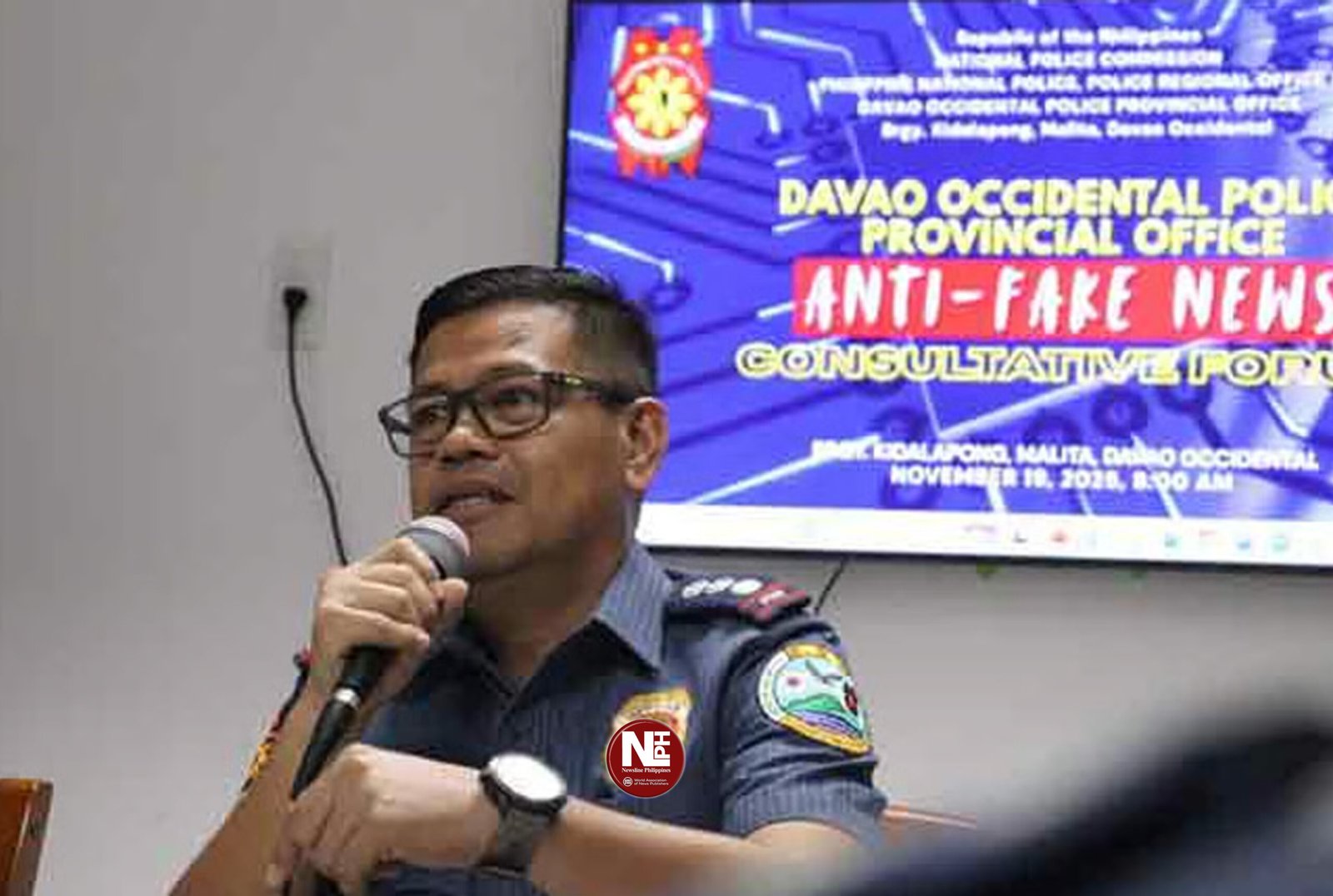
In a landmark collaboration, Davao Occidental police and local media organizations have joined forces to combat the spread of misinformation and fake news across the province. The initiative, formalized through a memorandum of agreement, aims to strengthen information sharing and promote accurate reporting to protect community interests.
Provincial Police Director Colonel Sherlock Gabana emphasized that the partnership will enhance public safety by ensuring residents receive reliable information during critical situations. “When accurate information reaches our communities promptly, it helps maintain public order and prevents unnecessary panic,” Gabana explained during the signing ceremony.
The agreement establishes protocols for media access to police information while maintaining the integrity of ongoing investigations. It represents a significant step in addressing the growing concern of misinformation that has plagued many Philippine communities in recent years.
Media representatives welcomed the partnership as a crucial development in an era where false information can spread rapidly through social media channels. According to local journalists, the agreement will facilitate faster verification of facts before stories are published, reducing the risk of misinformation reaching the public.
“This collaboration ensures we have direct access to official sources when covering crime, disasters, and other public safety matters,” said Maria Cortez, president of the Davao Occidental Press Association. “It allows us to fulfill our responsibility to inform the public accurately and responsibly.”
The initiative comes at a time when fake news has become increasingly problematic across the Philippines. Studies have shown that misinformation spreads six times faster than accurate news on social platforms, creating significant challenges for authorities and legitimate news outlets alike.
Davao Occidental, located in the southern Philippines, has experienced several incidents where false information led to community panic and unnecessary resource deployment. In one case last year, rumors about a fictional crime spree prompted school closures and affected local businesses before authorities could issue corrections.
Under the new agreement, the provincial police will provide timely updates and briefings to accredited media partners, while journalists commit to responsible reporting practices that prioritize public safety. The partnership also includes provisions for regular joint training sessions on crisis communication and fact-checking protocols.
Provincial Governor Edwin Jubahib praised the initiative, noting that coordinated information sharing between law enforcement and media serves the broader public interest. “When our institutions work together to combat misinformation, our communities become more resilient and better informed,” Jubahib said.
The collaboration extends beyond routine reporting to include disaster response scenarios. During emergencies, accurate information becomes particularly critical, and the agreement outlines specific procedures for urgent communications to prevent confusion or panic.
Media literacy specialists have pointed to this model as a potential template for other regions facing similar challenges with misinformation. “What we’re seeing in Davao Occidental represents a pragmatic approach to a complex problem,” said Dr. Antonio Santos, a communication researcher from the University of the Philippines. “By formalizing the relationship between police and media, both institutions can better serve their complementary public service missions.”
The partnership also acknowledges the changing media landscape, where traditional outlets compete with social media channels that often lack editorial oversight. Police officials hope that strengthening relationships with established media organizations will help counter unverified information that frequently circulates online.
While the initiative has received widespread support, some civil liberties advocates have emphasized the importance of maintaining editorial independence within the framework of the agreement. Media organizations involved have assured that the partnership focuses on information access rather than content control.
As the program launches, both police and media representatives have committed to regular evaluation of its effectiveness and making necessary adjustments to ensure it serves the public interest. The success of this model in Davao Occidental could potentially influence similar partnerships across other Philippine provinces facing comparable challenges with misinformation.
Fact Checker
Verify the accuracy of this article using The Disinformation Commission analysis and real-time sources.

18 Comments
This partnership between the police and local media in the Philippines is a smart move to combat the spread of misinformation. Reliable information from official sources is crucial for public safety, especially during emergencies or crises.
I agree, transparency and collaboration between authorities and the media is key to tackling fake news. This protocol should help maintain public trust and ensure communities get the facts they need.
Misinformation has become a major challenge, so I’m encouraged to see the Davao Occidental police taking proactive measures to work with local media. Strengthening information sharing is crucial for public safety and trust.
Yes, this type of initiative demonstrates a real understanding of the modern information landscape and the need for authorities and media to cooperate. It’s a smart approach to a complex problem.
This is a really positive development. Fake news can have devastating consequences, so it’s encouraging to see the police and media working together to address the problem. Protecting communities through accurate information is crucial.
I agree. Timely access to reliable information is key, especially during critical situations. This partnership demonstrates a proactive, pragmatic approach to a complex issue that many regions are grappling with.
Combating the spread of fake news is critical, so I’m glad to see the Davao Occidental police taking this issue seriously. A partnership with local media is a sensible way to ensure communities receive reliable information.
Absolutely. Establishing clear protocols for media access will help maintain transparency and build public trust. This kind of collaborative effort should serve as a model for other regions facing similar challenges.
It’s great to see this collaboration between law enforcement and journalists to combat misinformation. In the digital age, the spread of false information can have serious consequences, so this is an important step.
Agreed. Maintaining public order and preventing unnecessary panic requires timely access to accurate, verified information. This partnership seems like a positive model for other regions to follow.
Kudos to the Davao Occidental police and local media for taking this important step. Combating misinformation requires a collaborative effort, and this agreement seems like a smart way to facilitate information sharing and accurate reporting.
Absolutely. In an age where false narratives can spread rapidly online, having this kind of official protocol in place is crucial for maintaining public order and trust. It’s a model worth considering elsewhere.
This partnership is a welcome development in the fight against fake news. Reliable information from trusted sources is essential for public safety and community resilience. It’s great to see the police and media working together towards this goal.
Agreed. Establishing clear procedures for media access while preserving the integrity of investigations is a sensible approach. This initiative could set a positive example for other regions grappling with similar challenges.
Fake news can be so damaging, especially in sensitive situations. Kudos to the Davao Occidental police for taking proactive steps to work with local media and improve information sharing with the public.
Absolutely. Establishing clear protocols for media access is a sensible approach to balance public interest and ongoing investigations. This kind of initiative should be replicated across the country.
Combating misinformation is a critical challenge, so I’m encouraged to see the Davao Occidental police taking proactive steps to work with local media. Strengthening information sharing and accurate reporting is crucial for public wellbeing.
This kind of collaborative effort is exactly what’s needed to address the spread of fake news. By establishing protocols and facilitating transparency, the police and media can help ensure communities receive the facts they need, especially during emergencies.