


Listen to the article
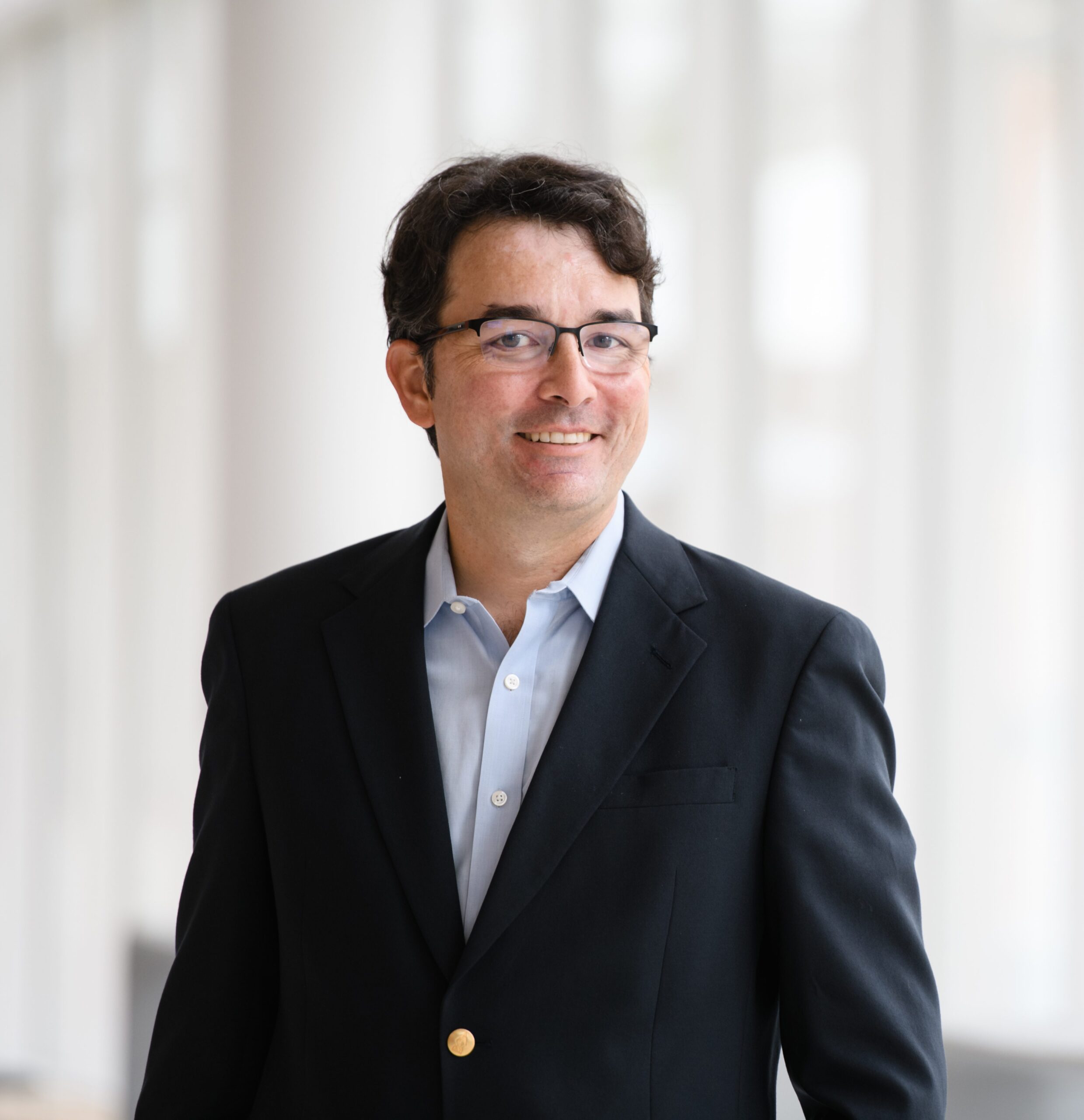
In the rapidly evolving landscape of social media, one researcher stands at the forefront of uncovering how digital platforms can be manipulated to spread misinformation. Darren Linvill, an associate professor at Clemson University, has dedicated his career to investigating the complex world of inauthentic behavior online and its far-reaching implications.
Linvill’s research focuses on data messaging and context coupled with inauthentic behavior across social networks. His work reveals striking similarities between coordinated inauthentic activities and genuine online interaction, making deception increasingly difficult to detect. By examining how trust and social capital are exploited in digital spaces, Linvill has become a pioneer in the emerging field of social media forensics and data monitoring.
“The digital world creates a fundamental shift in how we establish trust,” Linvill explained in a recent interview. His findings highlight a troubling paradox: social media users regularly form connections with complete strangers, inviting unknown entities into their digital lives based on minimal shared interests. These virtual “friendships” create vulnerabilities that malicious actors exploit.
Troll farms and bot networks capitalize on these digital relationships to disseminate propaganda, Linvill has discovered. These operations strategically promote specific narratives and provoke emotional responses, effectively weaponizing the trust built into social media platforms.
Working alongside colleague Patrick Warren, Linvill leverages Clemson University’s Social Media Listening Center to monitor and analyze online discourse. This specialized facility provides access to proprietary data unavailable to most researchers, allowing unprecedented insights into topics ranging from white supremacist rhetoric to foreign influence operations targeting American audiences.
Their research has produced tangible results in safeguarding democratic processes. In 2020, the pair partnered with the Commission on Presidential Debates to monitor social media conversations surrounding the presidential debates, helping to protect election integrity during a particularly contentious political season.
The impact of their work extends beyond academic circles. Linvill and Warren have collaborated directly with major platforms including Twitter and Facebook, resulting in the suspension of hundreds of accounts linked to malicious actors, including the notorious Russian Internet Research Agency. These actions have disrupted sophisticated influence operations designed to manipulate public opinion and sow division.
Linvill’s academic journey into this field began gradually. After joining Clemson as a lecturer in 2007, he started examining social media in 2010. Upon his promotion to associate professor in 2017, Linvill intensified his focus on investigating the veracity of online messaging and its societal effects.
His scholarly contributions include the 2012 publication “Colleges and universities’ use of Twitter: A content analysis” in Public Relations Review. More recently, his research on misinformation has reached mainstream audiences through articles in prominent publications like Rolling Stone with “That uplifting tweet you just sent? A Russian troll sent it” and The Washington Post’s “Yes, Russia spreads Coronavirus lies. But they were made in America.”
The significance of Linvill’s work has made him a sought-after expert in media circles. His insights regularly appear in prestigious outlets including the New York Times, Wall Street Journal, Washington Post, and Bloomberg. He has also contributed to broadcast coverage on CNN, NPR, ABC, and NBC, cementing his position as a leading authority on digital misinformation.
As social media continues to shape public discourse and political landscapes worldwide, Linvill’s research provides crucial tools for understanding and combating manipulation. His work illuminates how government and organizational leaders increasingly factor online sentiment into their decision-making processes, making the integrity of these digital spaces a matter of national security and democratic stability.
Through methodical analysis and collaborative partnerships, Linvill continues to expose the hidden mechanisms behind digital deception, helping both institutions and individuals navigate an increasingly complex information environment.
Fact Checker
Verify the accuracy of this article using The Disinformation Commission analysis and real-time sources.

12 Comments
Professor Linvill’s expertise in social media forensics and data monitoring is invaluable as we grapple with the challenges of digital deception. His research highlights the need for greater awareness and vigilance among social media users.
Absolutely. Linvill’s work underscores the importance of critical thinking and verification when engaging with content online. As the digital landscape evolves, this skill set will only become more essential.
Linvill’s findings on the paradox of trust in the digital world are thought-provoking. As we increasingly rely on online connections, his work highlights the need for a more discerning approach to navigating social media.
Agreed. Linvill’s research is a valuable contribution to our understanding of the evolving dynamics of trust and social capital in the digital age. Applying these insights could help users make more informed decisions about their online interactions.
It’s impressive to see Clemson University’s Professor Linvill at the forefront of social media forensics research. His work on uncovering inauthentic behavior and its implications is crucial for maintaining the integrity of online discourse.
Absolutely. Linvill’s findings highlight the need for greater transparency and accountability in social media platforms. Leveraging his expertise could help develop more effective strategies for combating the spread of misinformation.
Darren Linvill’s research on the complex relationship between trust, social capital, and digital deception is a valuable contribution to the field of social media studies. His insights could help inform policy decisions and platform design choices.
I agree. Linvill’s work has important implications for how we approach online engagement and community-building. Policymakers and tech leaders would do well to closely examine his findings and consider their real-world applications.
Kudos to Darren Linvill for his pioneering work in the field of social media forensics. Uncovering the methods used to manipulate online platforms is a crucial step in maintaining the integrity of digital spaces.
I’m curious to learn more about Linvill’s specific research methodologies and the tools he employs to detect coordinated inauthentic behavior. His insights could help inform best practices for social media users and platform operators.
Fascinating research by Professor Linvill on how social media can be manipulated to spread misinformation. His work sheds light on the complex interplay between trust, social capital, and digital deception. An important topic as we navigate the evolving online landscape.
Agreed, Linvill’s findings on the similarities between coordinated inauthentic activities and genuine online interactions are quite concerning. Understanding these dynamics is crucial to combating the spread of misinformation.