


Listen to the article
Disinformation Campaign Behind Cracker Barrel Logo Controversy Cost Company $100 Million
A sophisticated disinformation campaign, not genuine customer outrage, was largely responsible for the social media firestorm that engulfed Cracker Barrel following its recent logo change, according to new research by cybersecurity firm Cyabra.
The investigation revealed that 21% of profiles attacking the restaurant chain on social media platforms—particularly on X (formerly Twitter)—were fake accounts operating in a coordinated manner. These accounts successfully manufactured the appearance of widespread consumer revolt, contributing to a devastating 10.5% drop in Cracker Barrel’s stock value, wiping approximately $100 million from the company’s market capitalization in just days.
“What’s alarming is how real these fakes looked—framing the change as betrayal, amplifying boycotts, and sparking genuine engagement,” said Dan Brahmy, Co-founder and CEO at Cyabra. “Just a few hundred fake accounts generated 4.4 million views and thousands of real engagements.”
The research identified three distinct narrative strategies deployed by the fake profiles to maximize damage to the brand.
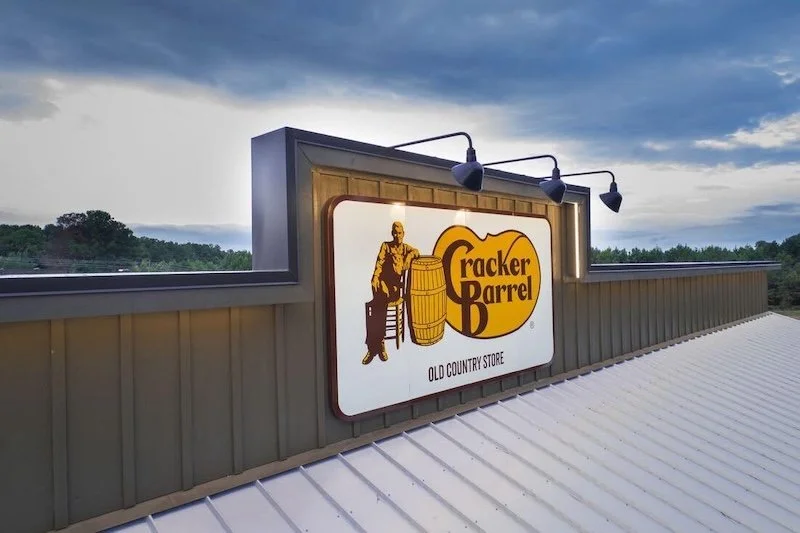
First, accounts pushed a “betrayal of tradition” framework, portraying Cracker Barrel’s rebranding as a rejection of its core audience and values. These profiles consistently accused the company of “erasing nostalgia and heritage” by altering its iconic barrel figure, while claiming the changes represented a capitulation to “woke politics.” Many deliberately drew parallels to Bud Light’s controversial 2023 campaign, which had previously triggered conservative consumer backlash.
Second, the fake accounts aggressively promoted boycott campaigns using hashtags like #BoycottCrackerBarrel and #CrackerBarrelHasFallen. They made exaggerated claims about imminent financial collapse and widespread store closures, while encouraging followers to delete the company’s app and avoid all Cracker Barrel locations. By portraying the boycott as already successful, these profiles created what Cyabra describes as a “self-fulfilling prophecy of declining consumer confidence.”
Third, the campaign specifically targeted CEO Julie Felss Masino with personal attacks, framing her as “destroying the brand” and characterizing her as a “progressive leftist” out of touch with American culture and Cracker Barrel’s traditional southern heritage. These personalized attacks simplified complex corporate decisions into a narrative of individual failure, effectively creating a villain in the public imagination.
This case highlights the growing vulnerability of consumer brands to coordinated disinformation campaigns that can rapidly inflict significant financial damage. The Cracker Barrel incident represents a cautionary tale for other companies considering rebranding efforts in today’s polarized social media landscape.
Market analysts note that this type of targeted attack represents an emerging risk factor for publicly traded companies. While brands have traditionally focused on managing legitimate consumer feedback, they now face the additional challenge of identifying and countering manufactured outrage designed to manipulate stock prices and consumer perception.
The restaurant industry has proven particularly susceptible to such campaigns, with several major chains experiencing similar coordinated attacks following changes to branding, menu items, or corporate policies. The financial services firm Morningstar estimates that social media disinformation campaigns targeting consumer brands have resulted in over $2 billion in market value losses across various companies in the past year alone.
Cybersecurity experts recommend that companies develop robust monitoring systems to quickly identify potential disinformation campaigns and distinguish them from genuine consumer feedback. They also suggest maintaining transparent communication with customers about the rationale behind significant brand changes to build resilience against such attacks.
The Cracker Barrel case demonstrates how even a relatively modest number of fake accounts can generate disproportionate impact when deployed strategically, particularly when they succeed in triggering authentic engagement from real users who believe they are participating in a genuine consumer movement.
Fact Checker
Verify the accuracy of this article using The Disinformation Commission analysis and real-time sources.
