


Listen to the article
In a heated exchange that highlights growing tensions over Indigenous rights and resource development in British Columbia, Coastal First Nations President Marilyn Slett has strongly refuted claims made by B.C. Conservative leadership candidate Yuri Fulmer about the nature and funding of her organization.
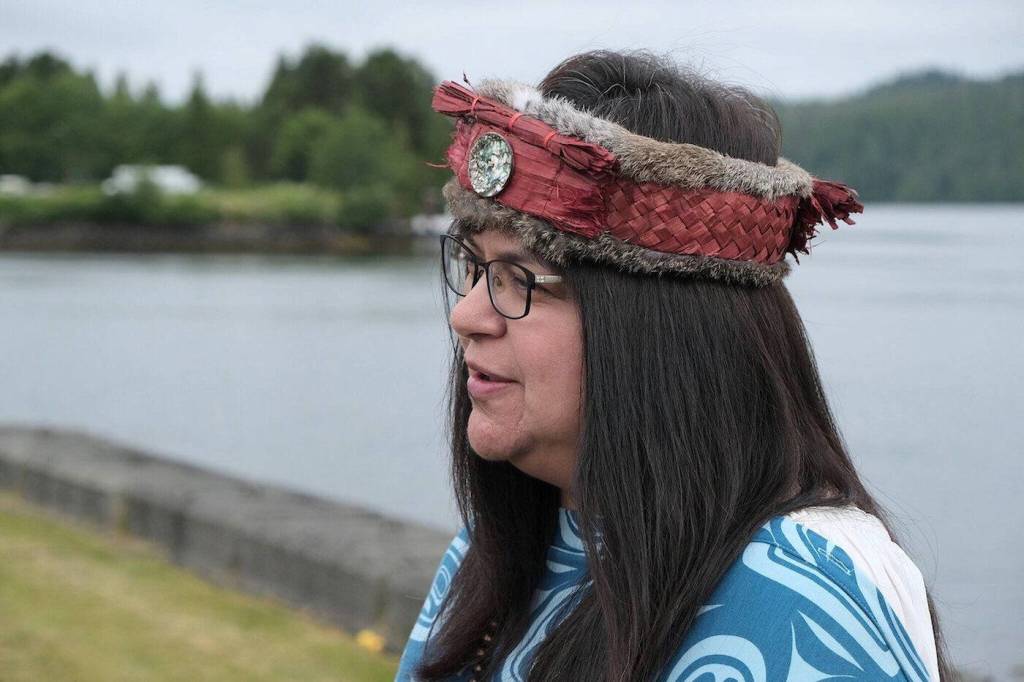
Slett, who also serves as chief of the Heiltsuk Nation, called Fulmer’s characterization of the alliance as “just an advocacy organization” a form of “disinformation” that misrepresents the group’s deep historical connections.
“We’re a coalition, an alliance of communities that have very ancient and old relations amongst each other, that ties us together,” Slett explained, emphasizing that the alliance represents nine distinct First Nations across British Columbia’s north coast region.
The controversy erupted after Fulmer released a video on social media criticizing what he described as foreign influence in provincial politics. The video juxtaposed images of Canadian flag-burning and pro-Palestinian protests in Vancouver with speeches by Gaagwiis Jason Alsop, the elected president of the Haida Nation who also serves on the Coastal First Nations board.
“Time and again, we keep hearing that Coastal First Nations are opposed to any pipeline and will stop any development,” Fulmer stated in the video. “But here is the thing: the Coastal First Nations is just a name, like Coke or Nike.”
Fulmer’s video goes on to claim that the organization, officially registered as the “Great Bear Initiative Society,” is primarily a political advocacy group funded by “left-wing American and international foundations.”
While Coastal First Nations is indeed a registered non-profit that receives some international donations, Slett clarified that all organizational decisions come directly from its board, which consists of elected and hereditary leaders from the member nations.
“There is no funder, whether it’s government, philanthropic, or corporate, that directs our position or activity,” Slett insisted. “CFN takes direction only from the leadership of its member nations.”
The alliance also disputes Fulmer’s characterization of their stance on development. Rather than opposing all resource projects, the organization says their advocacy specifically targets heavy oil tanker traffic in their traditional waters – an activity banned since 2019 under federal legislation. This issue has gained renewed attention with Alberta’s recent push for a new oil pipeline to reach the North Coast.
Slett expressed concern about the real-world consequences of what she terms “misinformation,” revealing that she has personally experienced online harassment through direct messages and emails. She also noted that attempts have been made to dox individuals working for the organization.
In an interview defending his statements, Fulmer maintained his focus on foreign funding as the common denominator between Coastal First Nations and other protest groups featured in his video. He advocated for banning international financial support for organizations engaged in political activities.
Ironically, Fulmer’s own investment firm has previously donated to Coastal First Nations initiatives, specifically their Great Bear Rainforest Carbon Project. When questioned about this apparent contradiction, Fulmer drew a distinction between domestic and foreign funding.
“As a company, we believe in conservation,” he explained. “We are a British Columbian company, not a foreign company, a British Columbian company, and we invested in a conservation project we believe in.”
When pressed about whether Coastal First Nations should be recognized in government-to-government relations – Prime Minister Mark Carney recently met with the organization’s leadership – Fulmer dismissed the question as irrelevant to his concerns about foreign influence.
Coastal First Nations has called for a formal apology from Fulmer, warning that his rhetoric could inflame existing tensions between Indigenous and non-Indigenous communities.
“Spreading this type of disinformation sows division between First Nations and other British Columbians and serves to further inflame existing tensions,” Slett stated. “In a time of heightened political conflict across the continent, this is irresponsible and dangerous and could result in real harm to our communities.”
Fact Checker
Verify the accuracy of this article using The Disinformation Commission analysis and real-time sources.

18 Comments
The Coastal First Nations’ strong pushback against Fulmer’s characterization of their organization suggests they are determined to defend their identity and historical role. This speaks to the importance of their perspective in the ongoing debate.
Yes, their insistence on being recognized as a coalition of distinct nations, not just an ‘advocacy group,’ is a crucial point that shouldn’t be overlooked.
This conflict reflects the ongoing tensions between resource development, environmental protection, and Indigenous sovereignty. Finding a balanced approach that respects all stakeholders will require nuanced, good-faith negotiations.
Absolutely. There are no easy solutions, but open communication and compromise may be the only way forward.
This conflict highlights the complex dynamics between Indigenous rights, resource development, and political narratives. It’s crucial that all perspectives are heard and respected, even when they disagree.
Agreed. Constructive dialogue and good-faith efforts to understand each side’s concerns are needed to find balanced solutions.
It’s good to see the Coastal First Nations pushing back strongly against perceived disinformation. Maintaining the integrity of their organization and vision is crucial, especially when facing political attacks.
Yes, their robust defense of their identity and historical ties to the land is an important counterpoint to the claims being made.
This conflict highlights the ongoing challenges of balancing economic interests, environmental protection, and Indigenous sovereignty. Respectful, good-faith dialogue between all parties is essential to finding sustainable solutions.
Agreed. Oversimplifying the issues or resorting to divisive rhetoric will only exacerbate the tensions and make resolution more difficult.
The Coastal First Nations’ long history and deep connections to the land underscore the importance of their role in decisions that affect their communities. Dismissing them as ‘just an advocacy group’ seems like a concerning oversimplification.
Absolutely. Their perspectives as Indigenous stewards of the land should be central, not marginalized or mischaracterized.
I’m curious to learn more about the specific claims made by Fulmer and how the Coastal First Nations are responding. Transparency and fact-checking will be crucial in untangling this debate.
Yes, it’s important to scrutinize all sides and avoid jumping to conclusions. The nuances of Indigenous rights and resource issues are often complex.
This clash over ‘foreign influence’ rhetoric is concerning. Coastal First Nations have a legitimate right to advocate for their interests, regardless of where their funding comes from. Dismissing them as pawns of outsiders is troubling.
Agreed. Resorting to accusations of ‘foreign influence’ can be a convenient way to undermine Indigenous voices and concerns.
The allegations of ‘disinformation’ on both sides are concerning. It’s critical that the public has access to factual, unbiased information to make informed judgments on these complex issues.
Yes, maintaining objectivity and separating truth from rhetoric will be key in this debate over Indigenous rights and resource development.