


Listen to the article
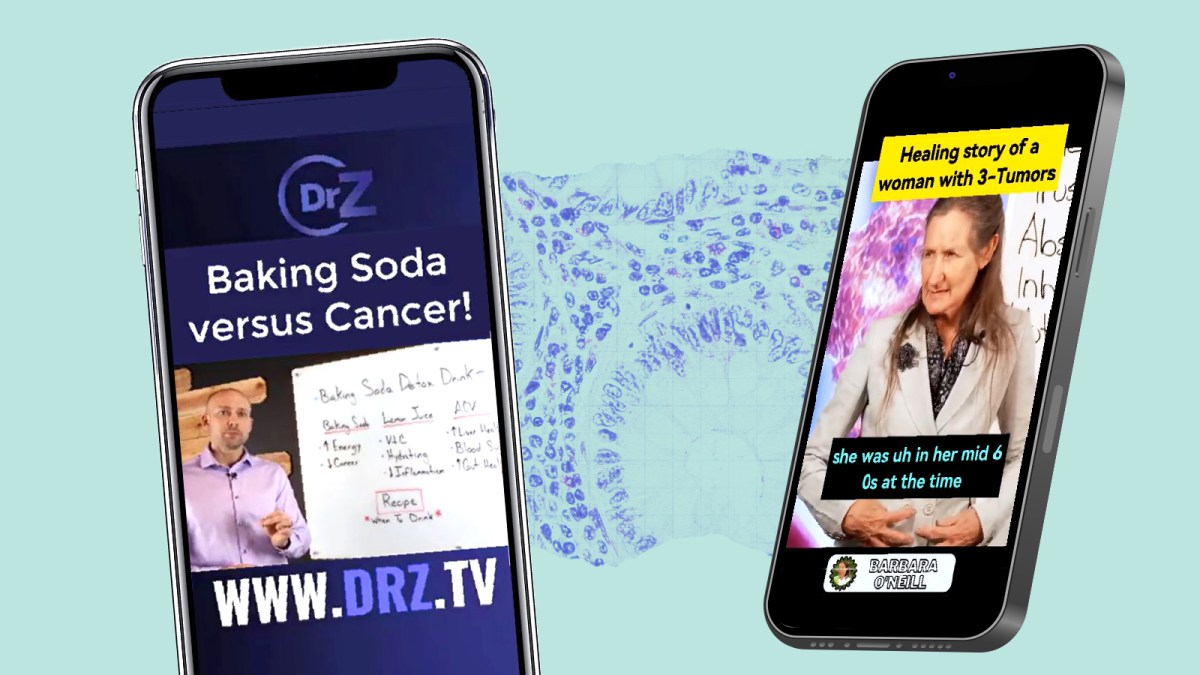
In a concerning trend that has alarmed healthcare professionals, cancer patients with substantial social media followings are increasingly spreading misinformation about treatments and cures, potentially endangering vulnerable individuals seeking medical advice.
Experts warn that these self-styled cancer “influencers” often promote unproven alternative therapies, discourage conventional medical treatments, and sometimes even claim to have cured themselves through unscientific methods. This phenomenon has gained traction particularly on platforms like Instagram, TikTok, and Facebook, where personal health journeys can quickly reach millions of viewers.
Dr. Robert Henderson, an oncologist at Memorial Cancer Center, expressed deep concern about the trend. “We’re seeing patients come in who have delayed critical treatment because they’ve been following advice from social media personalities who have no medical training whatsoever,” he said. “The consequences can be life-threatening when evidence-based care is abandoned or delayed.”
The problem has intensified as cancer patients who document their journeys online can rapidly accumulate followers seeking hope and alternative solutions. While many cancer patients share their experiences responsibly, a significant subset has begun monetizing their platforms through partnerships with supplement companies, wellness brands, and alternative therapy providers.
One particularly troubling case involved a melanoma patient with over 500,000 followers who claimed to have cured her stage 4 cancer through a combination of coffee enemas, juice cleanses, and expensive supplements—all while subtly marketing these products to her audience. Medical records later revealed she had undergone conventional treatment but attributed her recovery solely to alternative methods.
Social media platforms have struggled to address this specialized form of health misinformation. Unlike more obvious false claims about vaccines or COVID-19, cancer misinformation often appears within personal narratives that are difficult to fact-check or moderate.
“These stories are particularly dangerous because they come wrapped in authentic personal experiences,” said Dr. Samantha Liu, who researches health communication at Northwestern University. “When someone shares their cancer journey and includes misinformation, that false information gains credibility through association with their otherwise truthful story.”
The American Cancer Society and other health organizations have launched campaigns to counter this misinformation. They emphasize the importance of evidence-based treatments and encourage patients to consult medical professionals rather than social media figures when making treatment decisions.
Cancer charities have also begun working with responsible patient advocates to create accurate, scientifically sound content that can compete with misinformation in the social media landscape. These initiatives aim to harness the power of personal storytelling while ensuring the information shared is medically accurate.
Market analysts note that the problem intersects with the booming wellness industry, now valued at over $1.5 trillion globally. Companies selling unproven cancer “cures” can generate substantial revenue by partnering with influencers who have cancer-focused audiences.
“There’s a strong financial incentive to promote these alternative therapies,” explained market researcher Jordan Reeves. “A single influencer post about a supplement ‘that helped their cancer’ can drive hundreds of thousands in sales, despite having no scientific backing.”
Medical ethicists call for stronger oversight from both social media companies and regulatory agencies like the FDA. They suggest implementing stronger warning labels on health content and providing users with easy access to credible medical resources.
For patients and their families, experts recommend a critical approach to health information found on social media. This includes verifying information with healthcare providers, seeking out reputable medical sources, and being wary of anyone selling products alongside health advice.
As one survivor put it: “Social media was invaluable for emotional support during my treatment, but I learned quickly to separate that support from medical advice. My oncologist guided my treatment plan, not Instagram.”
Fact Checker
Verify the accuracy of this article using The Disinformation Commission analysis and real-time sources.

10 Comments
It’s alarming that cancer patients are being misled by social media personalities with no medical expertise. Delaying proven treatments based on unsubstantiated claims can have grave consequences. Education and oversight are clearly needed to protect vulnerable patients.
This is deeply troubling. Spreading unproven cancer treatments online can have devastating consequences for vulnerable patients. Medical professionals must work to combat this dangerous misinformation and encourage evidence-based care.
This is a concerning trend that highlights the dangers of medical misinformation on social media. Responsible platforms must do more to combat the spread of unproven cures and ensure patients receive guidance from qualified professionals.
The rise of ‘cancer influencers’ peddling misinformation is deeply worrying. Oncologists are right to sound the alarm – patients should be wary of unqualified advice that could jeopardize their health and well-being.
Agreed. Robust regulation and education efforts are needed to protect vulnerable patients from the harmful effects of this misinformation.
It’s disheartening to see cancer patients being misled by unqualified social media personalities. Oncologists are right to call for action – this trend of spreading misinformation could have devastating consequences for vulnerable individuals seeking help.
This is a serious issue that requires urgent attention. Social media platforms have a responsibility to crack down on the spread of unproven cancer ‘cures’ that could put lives at risk. Patients deserve access to reliable, science-based information.
I’m glad to see healthcare experts sounding the alarm on this issue. Social media ‘influencers’ peddling bogus cures need to be held accountable. Patients deserve reliable, science-based guidance, not unqualified advice that could jeopardize their health.
Absolutely. Reputable medical sources should be amplified to counter the spread of these unproven and potentially harmful treatments.
While personal health journeys can be inspiring, it’s troubling to see them used to promote unscientific treatments. I hope healthcare providers can find ways to effectively counter this dangerous trend and safeguard cancer patients.