


Listen to the article
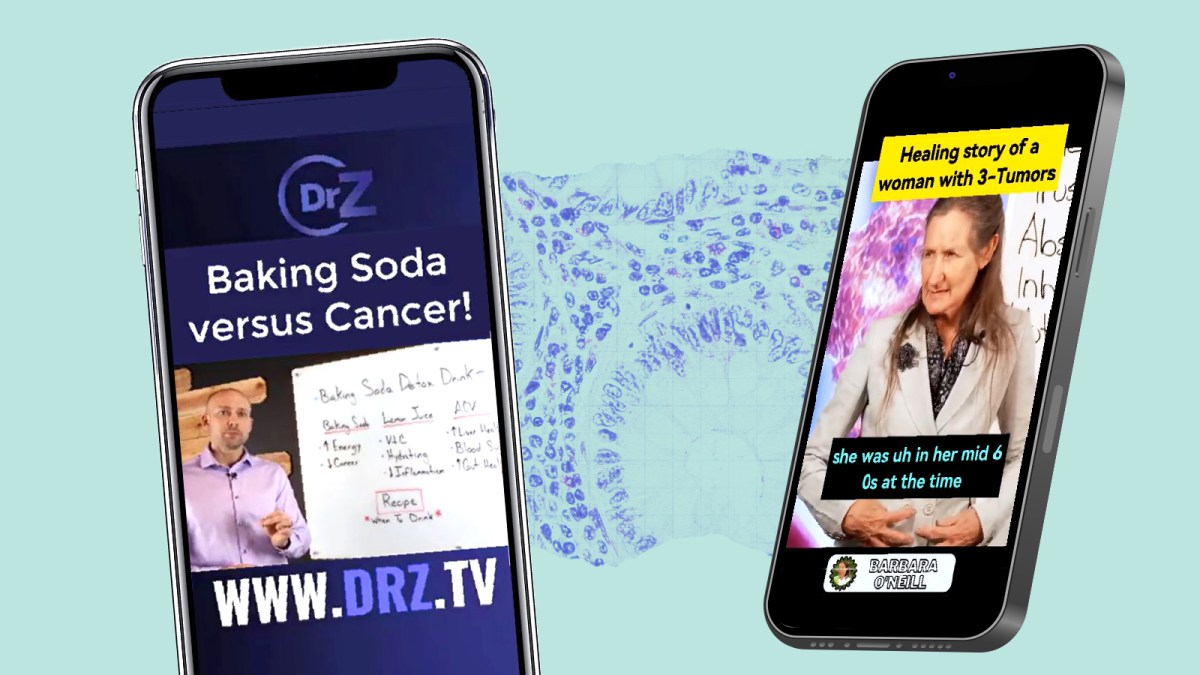
Patients battling cancer are increasingly turning to social media for support and information, but health experts are raising alarms about the spread of dangerous misinformation by self-proclaimed cancer “influencers” across digital platforms.
Oncologists and cancer specialists report a troubling rise in patients refusing conventional treatments in favor of unproven alternative therapies promoted online. These range from extreme dietary changes to unregulated supplements and untested procedures, often accompanied by testimonials claiming miraculous recoveries.
Dr. Mariam Jamal-Hanjani, a consultant oncologist at University College London Hospital, expressed grave concern about the trend. “We’re seeing more patients who come in with advanced disease who could have been treated earlier but chose to follow advice they found on social media,” she said. “By the time they return to conventional care, their cancer has often progressed significantly, limiting treatment options.”
The phenomenon reflects a broader challenge within healthcare as social media platforms become primary information sources for patients. While many cancer communities online provide valuable emotional support and legitimate resources, the line between helpful information and harmful misinformation has become increasingly blurred.
Cancer Research UK has documented numerous cases where patients delayed proven treatments like chemotherapy, radiation, or surgery after engaging with content promoting “natural cures” or alternative therapies lacking scientific backing. The organization has launched an educational campaign to help patients evaluate online health information critically.
“The emotional vulnerability of cancer patients makes them particularly susceptible to misinformation,” explained Dr. Sarah Williams, health information specialist at Cancer Research UK. “A cancer diagnosis is overwhelming, and the desire for hope and control can lead people toward seemingly simple solutions, even when these lack evidence.”
The problem is compounded by social media algorithms that prioritize engagement over accuracy. Content featuring dramatic “healing journeys” or claims of miracle cures typically generates more interactions than nuanced medical explanations, giving greater visibility to potentially harmful advice.
Some influencers have amassed substantial followings by documenting their cancer experiences while promoting specific products or protocols. While many are well-intentioned, others have financial incentives through sponsored content, affiliate marketing of supplements, or selling educational programs about alternative treatments.
Medical professionals emphasize that questioning treatment options and seeking second opinions are important patient rights. However, they caution against abandoning evidence-based approaches in favor of unproven alternatives.
“There’s an important distinction between complementary therapies that can work alongside conventional treatment and alternative therapies that replace proven medical care,” said Professor David Cunningham, Director of Clinical Research at The Royal Marsden NHS Foundation Trust. “Integrative approaches that combine the best of both worlds, under proper medical supervision, often yield the best outcomes.”
The issue extends beyond individual patient choices to public health concerns. Cancer misinformation contributes to broader distrust in medical institutions and can influence healthcare decisions beyond the initial audience.
Social media platforms have implemented policies to reduce health misinformation, but enforcement remains inconsistent. Medical experts suggest that rather than simply removing content, a better approach might be providing context and clearly labeling information sources.
Healthcare providers are adapting by becoming more active on social media platforms to counter misinformation directly. Many cancer centers now maintain robust digital presences, creating accessible, evidence-based content designed to reach patients where they increasingly search for information.
Patient advocacy groups also play a crucial role in guiding the newly diagnosed toward reliable information sources. Organizations like Macmillan Cancer Support offer media literacy resources specifically for cancer patients navigating online information.
“We need to acknowledge that social media is where many patients turn first,” said Dr. Jamal-Hanjani. “Rather than dismissing these platforms, we need to ensure accurate information is prominently available there and help patients develop the critical thinking skills to evaluate what they encounter.”
As digital health information continues to evolve, the challenge remains balancing open access to information with protection from potentially life-threatening misinformation—particularly for vulnerable populations like cancer patients seeking answers during one of life’s most difficult journeys.
Fact Checker
Verify the accuracy of this article using The Disinformation Commission analysis and real-time sources.

6 Comments
This is deeply concerning. While social media can provide valuable support for cancer patients, the spread of misinformation about unproven treatments is incredibly dangerous. Doctors and medical experts must work to counter these false claims and ensure patients have access to reliable, evidence-based information.
The promotion of unproven alternative therapies for cancer is extremely worrying. Patients should be wary of claims made by self-proclaimed ‘experts’ on social media and always consult qualified medical professionals for evidence-based treatment advice.
It’s a shame to see social media influencers taking advantage of vulnerable cancer patients in this way. Their promotion of unregulated supplements and experimental procedures could have devastating consequences. More needs to be done to hold these ‘influencers’ accountable and protect patients.
I agree completely. Spreading misinformation about cancer treatments is highly irresponsible and can have life-threatening impacts. Stricter regulation and monitoring of health-related content on social media platforms is crucial.
It’s disappointing to see social media being used to spread misinformation about cancer treatments. Patients deserve access to reliable, factual information to make the best decisions for their health. More oversight is needed to combat the rise of ‘cancer influencers’.
This is a complex issue. While social media can be a valuable resource, the rise of ‘cancer influencers’ is deeply concerning. Doctors and regulators must work to ensure patients have access to credible, science-based information to make informed decisions about their care.