


Listen to the article
Cancer ‘Influencers’ Spread Dangerous Health Misinformation on Social Media
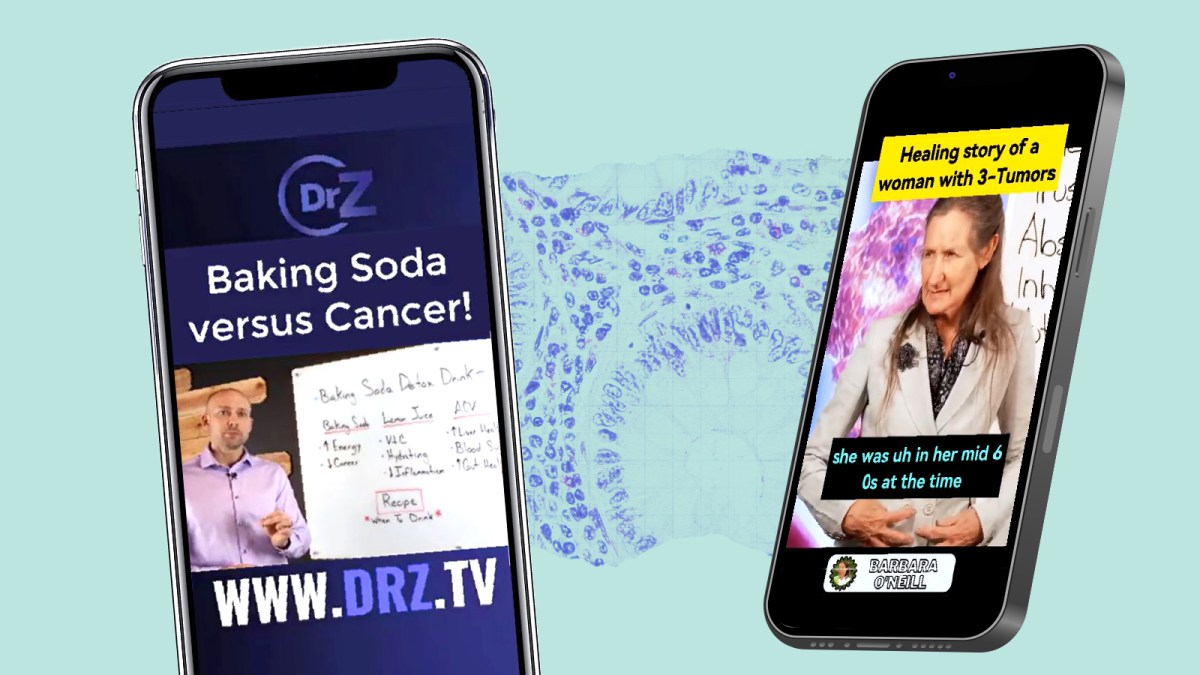
Social media platforms have become breeding grounds for cancer-related misinformation as a growing number of self-styled health “influencers” attract large followings by promoting unproven treatments and dangerous advice, medical experts warn.
Oncologists and health authorities are increasingly concerned about individuals who leverage personal cancer stories to build online platforms, only to then monetize their audiences by promoting alternative therapies that lack scientific backing. These influencers often reject conventional medical treatments in favor of “natural” approaches, potentially endangering vulnerable patients seeking information and hope.
Dr. Mark Lawler, Professor of Digital Health at Queen’s University Belfast, describes the situation as “extremely worrying.” He notes that cancer patients are particularly susceptible to misinformation during the vulnerable period following diagnosis. “When someone receives a cancer diagnosis, they’re desperate for information and hope. Unfortunately, that’s exactly when they may encounter these harmful messages,” Lawler explains.
The trend has accelerated during the post-pandemic era, with health misinformation spreading rapidly across platforms like Instagram, TikTok, and YouTube. Content promoting unproven treatments such as extreme diets, herbal supplements, or expensive “detox” programs often receives millions of views and thousands of shares.
Cancer Research UK has documented cases where patients delayed essential medical treatment after being influenced by social media content promoting alternative approaches. In some instances, patients have abandoned chemotherapy or radiation therapy after viewing content claiming these treatments are “more harmful than the cancer itself” – a dangerous and unscientific assertion rejected by the medical community.
What makes these influencers particularly effective is their personal connection with audiences. By sharing intimate details of their cancer journeys, they establish trust and credibility before introducing questionable health claims. Many use persuasive storytelling techniques, showing apparent “recovery” they attribute to alternative methods rather than conventional treatments they may have actually received.
The financial incentives behind such content are substantial. Cancer influencers may earn thousands through sponsored content, affiliate marketing of supplements, or promoting “healing retreats” costing upwards of $5,000 per person. Some have built seven-figure businesses around their personal cancer narratives.
Social media platforms have struggled to address the problem effectively. While companies like Meta and TikTok have policies against harmful health misinformation, enforcement remains inconsistent. Content that technically violates guidelines often remains online for months, accumulating millions of views before moderation occurs.
Medical professionals are fighting back through their own social media presence. Dr. Sherry Ross, an oncologist who has amassed over 500,000 followers across platforms, creates content specifically addressing cancer myths. “I’m trying to meet patients where they are – online,” Ross says. “For every piece of misinformation, we need credible voices providing evidence-based information in an accessible way.”
Health authorities recommend cancer patients rely on established sources such as the American Cancer Society, Cancer Research UK, or information provided directly by medical institutions. Patients should discuss any alternative approaches with their healthcare team before making treatment decisions.
The phenomenon highlights broader concerns about health information in the digital age. While social media offers unprecedented access to support communities and information, distinguishing between credible guidance and harmful misinformation requires increasing vigilance.
“A cancer diagnosis is already overwhelming,” notes Dr. Lawler. “The last thing patients need is to navigate a minefield of dangerous misinformation during their most vulnerable moments.”
Experts advise friends and family members to gently guide loved ones with cancer toward reputable sources and to encourage open communication with healthcare providers about information found online.
Fact Checker
Verify the accuracy of this article using The Disinformation Commission analysis and real-time sources.

5 Comments
As someone who has followed the mining and commodities space for years, I’m troubled to see this issue extend into the health and wellness realm. Promoting alternative therapies without scientific backing is irresponsible and could put lives at risk.
Absolutely. Cancer patients deserve access to legitimate, proven treatments, not unsubstantiated claims from social media influencers. This highlights the need for greater regulation and oversight of health content online.
This is a concerning trend. Social media has allowed misinformation to spread rapidly, and vulnerable cancer patients seeking hope are prime targets. Doctors and authorities must work to counter these dangerous messages with facts and science-based advice.
I agree, it’s crucial that reputable medical sources provide accurate, evidence-based information to cancer patients. Spreading unproven treatments can have serious consequences.
The power of social media influencers is concerning, especially when it comes to sensitive health topics. While I understand the desire for hope, spreading misinformation can have devastating consequences. Medical experts need to be the primary source of guidance for cancer patients.