


Listen to the article
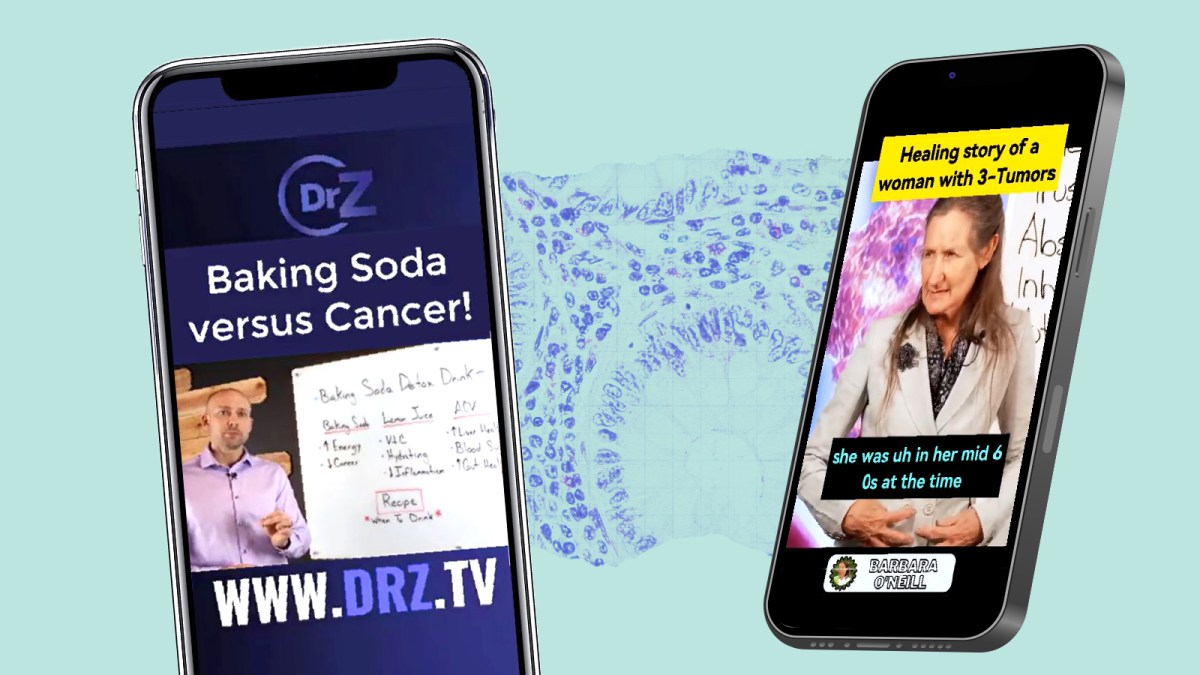
Cancer patients and survivors who have built significant social media followings are spreading dangerous medical misinformation, according to new research from University College London (UCL).
The study, published in the British Medical Journal, examined content from cancer “influencers” across platforms like Instagram, TikTok, and YouTube. Researchers found that many of these accounts, some with hundreds of thousands of followers, promote unproven treatments and diets while discouraging conventional medical care.
Dr. Rachael Gribble, the study’s lead author from UCL’s Institute of Health Informatics, expressed concern about the trend. “While many cancer influencers provide valuable support and accurate information, we found a worrying number promoting alternative therapies with no scientific basis,” she said. “This puts vulnerable people at risk when they’re already facing life-altering diagnoses.”
The research team analyzed hundreds of posts from accounts managed by individuals sharing their cancer journeys. They identified several common themes of misinformation, including claims that conventional treatments like chemotherapy and radiation are “poison” that causes more harm than good. Instead, many influencers promoted unproven alternatives like extreme diets, coffee enemas, and expensive supplements.
One influencer with over 200,000 followers claimed that her breast cancer was cured by a combination of juicing, infrared saunas, and vitamin C infusions after she abandoned hospital treatment. Medical records later revealed she had undergone surgery and chemotherapy before turning to alternative approaches.
The research highlights a growing challenge for healthcare providers and platforms. With nearly 70 percent of cancer patients searching for information online, the potential reach and impact of such misinformation is substantial. Many viewers reported feeling confused about treatment options after consuming this content.
“These accounts often present a compelling narrative,” explained Dr. James Thompson, an oncologist at Royal London Hospital who wasn’t involved in the study. “They combine enough accurate medical terminology with pseudoscience to sound credible, particularly to someone who’s just received a frightening diagnosis and is searching for hope.”
The problem is compounded by social media algorithms that prioritize engagement over accuracy. Sensational claims about “cancer cures” hidden by pharmaceutical companies generate more shares and comments than evidence-based medical advice, pushing this content to more users.
Health organizations are now developing strategies to combat cancer misinformation. Cancer Research UK has launched a digital literacy campaign to help patients evaluate online health claims critically. The organization is also working with major platforms to develop better content moderation policies for health information.
“We recognize that cancer patients sharing their experiences online can provide invaluable emotional support and community,” said Michelle Mitchell, Cancer Research UK’s chief executive. “But there’s a line between sharing personal experiences and promoting dangerous alternatives to medical care.”
Social media companies have responded with varying levels of commitment. TikTok now directs users searching for cancer-related content to official health resources, while Meta has expanded its fact-checking program to include medical claims on Facebook and Instagram.
However, critics argue these measures don’t go far enough, as influencers can easily avoid detection by using coded language or focusing on “wellness” rather than making direct medical claims.
The UCL researchers recommend that healthcare providers proactively discuss social media usage with cancer patients and provide guidance on evaluating online information. They also call for better collaboration between medical professionals and platforms to develop more effective content moderation.
For patients navigating cancer treatment decisions, experts recommend consulting accredited sources like the NHS website, Cancer Research UK, or Macmillan Cancer Support rather than relying on social media accounts, regardless of how compelling their stories might seem.
“A cancer diagnosis is overwhelming,” Dr. Gribble concluded. “We need to ensure patients can find reliable information online without falling prey to dangerous misinformation, however well-intentioned the source.”
Fact Checker
Verify the accuracy of this article using The Disinformation Commission analysis and real-time sources.

15 Comments
While social media can provide valuable support networks, this trend of cancer ‘influencers’ peddling misinformation is very concerning. Rigorous fact-checking and accountability measures are needed to protect vulnerable users.
Agreed. The potential for harm here is significant. Patients need to be empowered with credible medical information, not swayed by unsubstantiated claims from popular social media accounts.
This trend highlights the need for better regulation and oversight of health-related content on social media. Vulnerable patients deserve access to credible, science-based information from qualified medical professionals, not unsubstantiated claims.
Promoting alternative therapies with no scientific basis while discouraging conventional cancer treatments is extremely reckless. Social media platforms must do more to verify the credibility of health-related accounts and content to protect vulnerable users.
Patients facing cancer diagnoses are in a very delicate emotional state. Spreading unproven ‘cures’ and discouraging conventional treatments is unconscionable. Doctors and scientists must be the primary trusted voices on these matters.
Absolutely. Cancer is already such a difficult journey – the last thing patients need is misinformation that could compromise their care and wellbeing. Fact-based, compassionate guidance is essential.
It’s troubling to see social media ‘influencers’ leveraging their platforms to push unproven cancer treatments. Patients deserve access to evidence-based information and guidance from qualified medical professionals, not misinformation that could endanger their wellbeing.
It’s disturbing to see cancer patients being misled by social media ‘influencers’ promoting unproven treatments. Oncologists and reputable health organizations should be the primary sources of guidance for those facing such serious diagnoses.
Absolutely. Spreading misinformation about cancer treatments, especially ones that could discourage people from seeking proper medical care, is extremely irresponsible and dangerous. Fact-checking and accountability are critical.
While social media can be a powerful tool for support and awareness, this issue of ‘cancer influencers’ spreading misinformation is deeply concerning. Patients facing serious diagnoses need factual guidance, not unproven treatments that could jeopardize their health.
This highlights the need for better regulation and oversight of health/medical content on social platforms. While some influencers provide helpful support, the risks of misinformation are too high, especially for cancer patients seeking guidance.
I agree. Social media companies need to do more to verify the credibility of health-related accounts and content before amplifying it to large audiences. Protecting vulnerable users should be a top priority.
This research highlights the urgent need for greater accountability and transparency around health-related content on social media. Vulnerable cancer patients should be empowered with credible, fact-based information, not swayed by unsubstantiated claims from popular online figures.
Concerning to see social media ‘influencers’ spreading misinformation about cancer treatments. Patients deserve accurate, science-based advice from medical professionals, not unproven alternative therapies that could put their health at risk.
You’re right, vulnerable patients may be drawn to these influencers’ messaging, which is very troubling. Responsible social media use and fact-checking are crucial when it comes to sensitive medical topics.