


Listen to the article
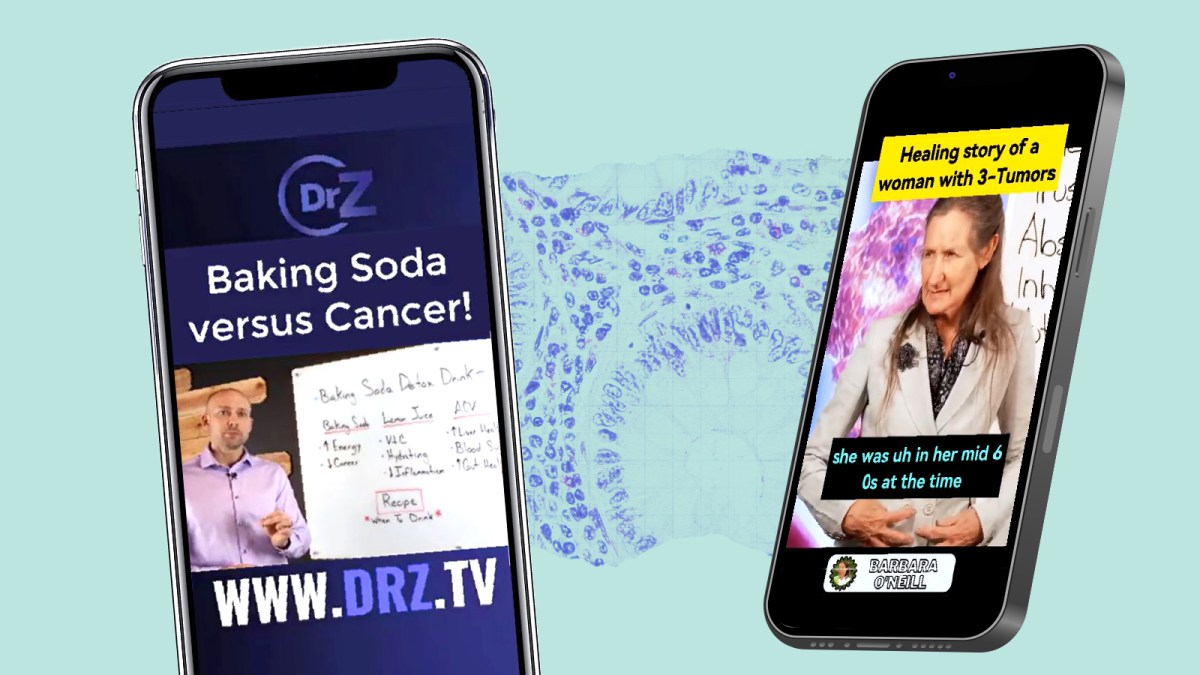
Social media platforms are becoming breeding grounds for cancer-related misinformation, according to health experts who are increasingly concerned about self-proclaimed cancer “influencers” dispensing unverified medical advice to vulnerable audiences.
A growing number of cancer patients and survivors are turning to platforms like Instagram, TikTok, and YouTube to share their experiences. While many provide genuine support and community for those facing similar diagnoses, some have begun leveraging their following to promote scientifically unsupported treatments, diets, and alternative therapies.
Professor Charles Swanton, chief clinician at Cancer Research UK, warns that this trend represents a dangerous development in healthcare information dissemination. “We’re seeing patients come into consultations having already formed strong opinions based on what they’ve seen online,” he explains. “Some are refusing standard treatments in favor of unproven alternatives they discovered through social media personalities.”
The phenomenon comes amid a broader explosion of health content on social media platforms. The hashtag #cancerjourney has over 1.5 million posts on Instagram alone, while TikTok videos discussing cancer treatments regularly attract millions of views.
One particularly problematic narrative emerging from these online communities is the promotion of “natural” cancer treatments. These often involve expensive supplement regimens, extreme dietary restrictions, or alternative therapies that lack scientific backing. Many influencers claim these approaches cured their cancer or prevented recurrence, despite little evidence to support such assertions.
Dr. Marisa Ryan, an oncologist at London’s Royal Marsden Hospital, has witnessed the real-world impact of this misinformation. “I had a patient with highly treatable breast cancer delay her surgery by three months while following a juice cleanse recommended by someone she followed online,” she recounts. “By the time she returned to conventional care, her cancer had progressed significantly.”
The commercial aspect of these relationships raises additional concerns. Many cancer influencers earn substantial income through affiliate marketing arrangements with supplement companies or alternative therapy providers. These financial incentives create potential conflicts of interest that followers may not recognize.
Social media platforms have struggled to address the spread of health misinformation effectively. While companies like Meta and TikTok have policies against harmful health content, enforcement remains inconsistent. The subjective nature of personal testimonials makes regulation particularly challenging.
“These platforms use algorithms that prioritize engagement,” explains Dr. Seema Yasmin, director of the Stanford Health Communication Initiative. “Content that generates strong emotional responses—like dramatic cancer recovery stories—gets amplified, regardless of its accuracy.”
Medical professionals emphasize that the issue isn’t with patients sharing their genuine experiences but rather with the blurring of lines between personal stories and medical advice. They suggest viewers approach cancer content with healthy skepticism, especially when it contradicts established medical consensus.
For vulnerable individuals navigating a cancer diagnosis, the appeal of these online communities is understandable. Traditional healthcare settings can feel impersonal, while social media offers immediate connection with others facing similar challenges. The intimate, conversational format of platforms like TikTok creates a sense of trust that can sometimes exceed the credibility afforded to medical professionals.
Cancer charities are responding by creating their own social media presence to combat misinformation with evidence-based content. Macmillan Cancer Support now maintains active accounts across major platforms, producing accessible, factual information designed to reach the same audiences targeted by less reliable sources.
Health authorities recommend that patients consult reputable sources such as the NHS website, cancer charity publications, or their healthcare team before making treatment decisions based on social media advice.
“We need to recognize that social media is now part of the patient information ecosystem,” notes Professor Swanton. “Rather than dismissing these platforms, the medical community must engage with them to ensure accurate information reaches those who need it most.”
As the influence of social media continues to grow, the challenge of balancing open information sharing with responsible health communication becomes increasingly urgent—particularly for conditions like cancer, where treatment decisions can have life-altering consequences.
Fact Checker
Verify the accuracy of this article using The Disinformation Commission analysis and real-time sources.

16 Comments
This is a troubling trend. Social media has become a powerful tool, but also a breeding ground for misinformation, especially when it comes to sensitive health topics. Cancer patients need to be cautious about the sources they trust online.
It’s concerning to hear about cancer patients refusing standard treatments based on unproven alternatives they found on social media. While these platforms can be helpful, they also amplify the reach of unqualified health influencers. Caution is warranted.
This is a complex issue. Social media can provide important peer support, but the proliferation of unqualified health advice is worrying. Patients should be encouraged to verify information with their oncologists before making major treatment decisions.
It’s troubling to see cancer patients being influenced by unproven treatments promoted by social media personalities. While these platforms can be helpful, they require careful navigation to ensure users are getting accurate, science-based information.
While social media can be a valuable resource for cancer patients, it’s important to be discerning about the information shared. Consulting with doctors should always be the priority, not relying on unverified claims from online personalities.
This is concerning. Social media can be a powerful tool, but it’s also rife with misinformation, especially when it comes to sensitive health topics like cancer. Patients need to be very careful about the sources they trust online.
It’s worrying to hear about cancer patients refusing standard treatments in favor of unproven alternatives they found online. Social media can be a double-edged sword – we need to find ways to harness its power while mitigating the risks.
Agreed. Fact-checking and vetting of health content on social media is crucial to prevent dangerous misinformation from spreading.
This is a disturbing trend. Social media gives a platform to anyone, regardless of their medical expertise. Cancer patients deserve access to science-backed information from trusted healthcare professionals, not unqualified influencers.
While social media influencers can provide valuable support, they should be mindful of the potential harm from promoting unproven treatments. Doctors and verified medical sources should be the primary guides for cancer patients.
This is a concerning development. Social media has democratized information, but that comes with risks when it comes to sensitive health topics. Cancer patients need to be extra vigilant about verifying the credibility of online sources.
Absolutely. Doctors and verified medical organizations should be the primary go-to for cancer patients, not random social media influencers.
The rise of cancer misinformation on social media is extremely worrying. While these platforms can be supportive communities, they also enable the spread of dangerous pseudoscience. Patients deserve access to reliable, evidence-based information.
The growth of cancer-related misinformation on social media is incredibly concerning. Platforms and healthcare providers need to work together to counter this dangerous trend and ensure patients have access to reliable, evidence-based information.
This is a worrying development. Social media has democratized information sharing, but that also means unverified claims can spread rapidly, especially on sensitive topics like cancer. Patients need to be discerning consumers of online health content.
Spreading misinformation about cancer treatments is incredibly irresponsible and can put vulnerable people at risk. Platforms need to do more to combat this issue and ensure users are accessing reliable, science-based information.