


Listen to the article
Cancer patients are increasingly turning to social media for advice and support, but medical professionals warn this trend is fueling dangerous misinformation that could have serious health consequences.
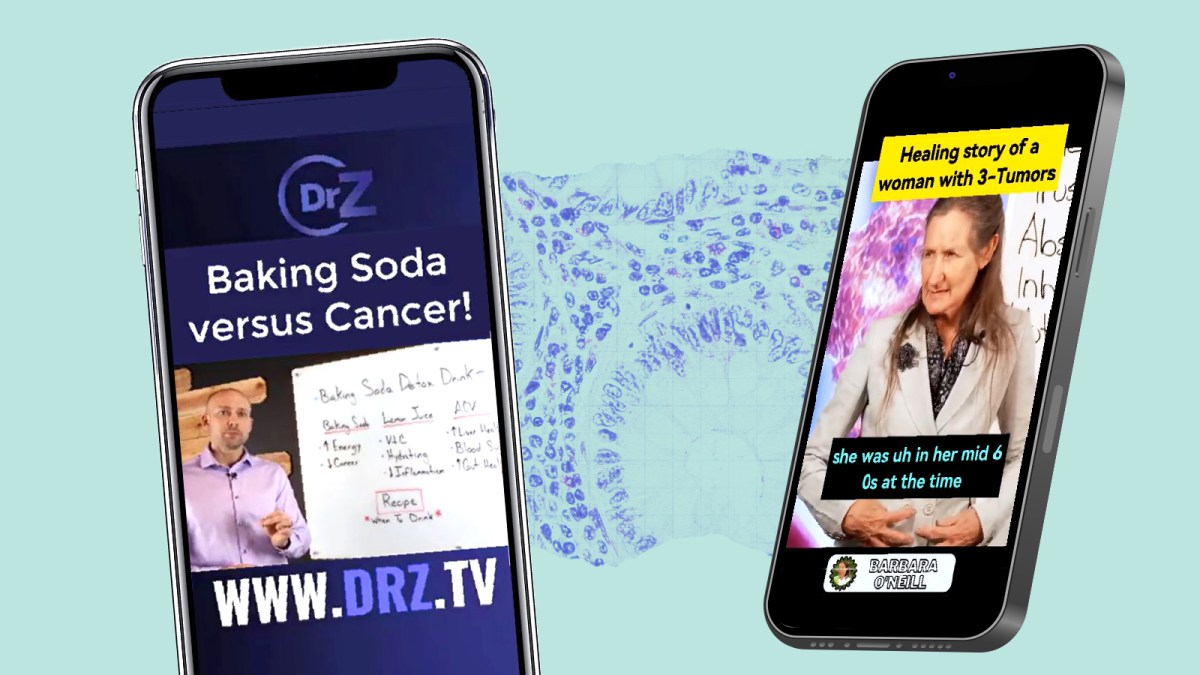
A growing number of self-styled cancer “influencers” are gaining substantial followings on platforms like Instagram, TikTok, and Facebook. While many share authentic personal journeys, others promote unproven treatments, conspiracy theories about conventional medicine, and false claims about cancer causes and cures.
Dr. Arthur Caplan, head of medical ethics at New York University’s Grossman School of Medicine, expressed concern about this phenomenon. “Social media has become a breeding ground for cancer misinformation. Patients who are vulnerable and desperate are particularly susceptible to claims that sound promising but lack scientific backing.”
Research published in the Journal of the National Cancer Institute found that cancer-related content on social media platforms contained misleading information in approximately 32% of posts analyzed. These posts frequently received more engagement than medically accurate information.
The issue has become particularly problematic as cancer patients increasingly seek information online. A survey by the National Cancer Institute revealed that 67% of recently diagnosed patients use social media to research their condition, with 41% saying they’ve tried recommendations found online.
“We’re seeing patients delay essential treatments or abandon conventional medicine altogether after being influenced by content they see online,” said Dr. Elena Richardson, an oncologist at Memorial Sloan Kettering Cancer Center. “Some arrive at clinics asking for unproven treatments they’ve seen promoted by influencers with large followings.”
Common misinformation includes claims that certain foods or supplements can cure cancer, assertions that chemotherapy is ineffective compared to “natural” alternatives, and conspiracy theories suggesting pharmaceutical companies are hiding cures to profit from treatments.
Social media platforms have struggled to effectively moderate health misinformation. While companies like Meta and TikTok have policies against harmful health content, enforcement remains inconsistent. The rapid production of content and use of coded language to evade detection complicate efforts to stem the spread of misinformation.
Cancer charities and medical organizations are now developing counter-strategies. The American Cancer Society has launched digital literacy campaigns aimed specifically at newly diagnosed patients, teaching them how to evaluate online health information critically.
“We need to acknowledge that social media is where many patients go first,” said Melissa Thompson, director of patient advocacy at the American Cancer Society. “Rather than dismissing these platforms, we need to establish a stronger presence for evidence-based information that can compete with misleading content.”
Some cancer centers are now training oncologists to address misinformation during consultations. Massachusetts General Hospital has implemented a program where doctors proactively discuss common myths patients might encounter online.
Authentic cancer patients who share their journeys responsibly on social media emphasize the distinction between sharing personal experiences and giving medical advice.
“I’m careful to specify that I’m sharing my experience, not telling others what to do,” said Rebecca Martinez, who documents her breast cancer treatment journey to 50,000 followers. “The community aspect of social media was invaluable during my treatment, but I always direct medical questions to healthcare providers.”
Health experts suggest patients use the CRAAP test (Currency, Relevance, Authority, Accuracy, Purpose) when evaluating online health information and recommend following established medical institutions’ social accounts rather than individuals without medical credentials.
As social media’s role in patient information-seeking continues to grow, medical professionals emphasize the importance of maintaining open doctor-patient communication about information found online.
“We need to create spaces where patients feel comfortable discussing what they’re seeing online without judgment,” Dr. Richardson noted. “The goal isn’t to discourage community support but to ensure medical decisions remain grounded in science.”
Fact Checker
Verify the accuracy of this article using The Disinformation Commission analysis and real-time sources.

11 Comments
This is a really troubling trend. Cancer is a devastating disease, and patients need support from qualified professionals, not unproven treatments touted by online ‘influencers’. Stricter content moderation is essential.
This underscores the need for greater media literacy, especially when it comes to health information online. Patients should be encouraged to consult their doctors, not rely on unverified claims from social media ‘influencers’.
While I appreciate the desire to share personal experiences, promoting unscientific ‘cures’ for cancer on social media is irresponsible and dangerous. Platforms must do more to verify the accuracy of health claims.
I agree. Cancer patients are already going through so much – they shouldn’t have to worry about being misled by dubious online content. Fact-checking and accountability are critical.
Platforms like Instagram and TikTok have a responsibility to carefully vet health-related content and prioritize reputable medical sources. Vulnerable patients shouldn’t be exposed to unchecked claims and conspiracy theories.
Absolutely. Social media companies need to take a stronger stance against misinformation, especially when it could have such serious consequences for people’s wellbeing.
While social media can be a valuable support network, the spread of cancer misinformation is truly concerning. Platforms must take stronger action to protect vulnerable patients from unproven treatments and conspiracy theories.
Agreed. The stakes are too high to allow unchecked medical misinformation to proliferate on these platforms. Responsible content moderation should be a top priority.
This is really concerning. Cancer patients need accurate, science-backed information to make the best treatment decisions. Social media ‘influencers’ pushing unproven cures could seriously endanger people’s health.
I agree. Platforms need to do more to combat the spread of medical misinformation, especially on sensitive topics like cancer. Responsible reporting and moderation are crucial.
It’s deeply troubling to see cancer ‘influencers’ spreading dangerous misinformation that could put people’s lives at risk. Social media companies need to do more to verify the accuracy of health-related content.